
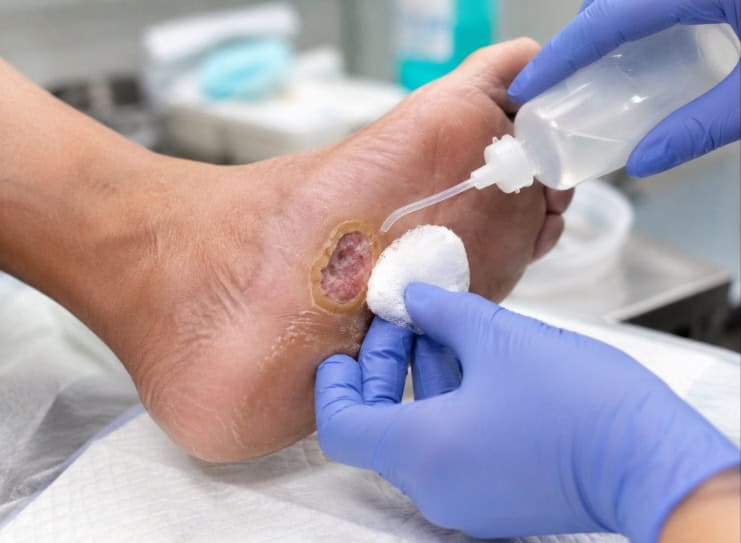
Diabetes can regard many parts of the body, including the skin, nervousness, blood vessels, and immune system. One portentous touch on for people keep with diabetes is the development of wounds, particularly on the feet. What may begin as a small cut, vesicate, or area of temper can sometimes become unruly to heal when it is not noticed or managed suitably.
Understanding wounds, their risk factors, and the importance of bar can help people take better care of their feet and recognise problems at an sooner represent. Although specific care can reduce risks, anyone with who develops a concerning injure should seek appropriate health chec advice.
What Are Diabetic Wounds?
Diabetic wounds are injuries that pass in people with and may take yearner than unsurprising to heal. They are particularly common on the feet and may include cuts, blisters, hale injuries, or foot ulcers.
Several diabetes-related factors can contribute to delayed therapeutic. High rakehell glucose levels over time may affect circulation and steel run. Reduced sentiency in the feet can make it uncontrollable to notice pain, heat, or an injury. Poor circulation may also limit the saving of O and nutrients required for rule weave resort.
Because of these factors, a apparently small fry foot combat injury can sometimes need troubled monitoring and professional person treatment.
Why Prevention Is So Important
Prevention is one of the most operational ways to reduce the risk of foot problems. Daily foot care does not need to be complicated, but consistency matters.
People with should make a wont of checking their feet regularly. Look for cuts, cracks, blisters, redness, puffiness, changes in skin tinge, or areas that appear riled. The bottoms of the feet can be difficult to see, so using a mirror or asking someone for aid can be useful.
Keeping the skin strip and fittingly moisturized can also support general foot wellness. However, moisturizer should in general not be practical between the toes because excessive moisture in that area may promote skin problems.
Choosing Appropriate Footwear
Footwear plays an probative role in preventing injuries. Shoes that are too fast can produce pressure points, while badly trying on footgear may put up to blisters and temper.
Comfortable, properly trying on shoes can help reduce extra rubbing and hale. Socks should also fit well and should not make fast bands around the legs or feet.
Before putting on place, it can be useful to check the inside for modest objects, rough areas, or anything that could rub against the skin. This simpleton habit may help keep avertible injuries.
The Importance of Blood Sugar Management
Managing rip glucose is an key part of overall care and can also support the body’s ability to deal with injuries. Persistently elevated railroad rip glucose can step in with several processes involved in healthful.
People with diabetes should keep an eye on the treatment and monitoring plan advisable by their health care professional person. Medication, aliment, natural science natural process, and habitue medical appointments may all form part of an soul’s diabetes management plan.
Blood saccharify management should not be viewed as a replacement for wound care. If an injury occurs, it still needs to be assessed and monitored fitly.
Monitoring an Existing Wound
Once a wound has improved, fixture reflexion becomes especially probatory. Changes in the visual aspect of a injure can supply useful information about whether it is improving or becoming more concerning.
Warning signs can admit increasing redness, warmness, lump, drain, unpleasant odor, declension pain, or changes in the close skin. Fever or tactual sensation in the main ailing can also indicate that imperative medical exam attention may be necessary.
People with reduced sentiency may not go through significant pain even when a injure is serious. For this reason, visible inspection and professional judgment are particularly evidentiary.
Professional Assessment and Treatment
Diabetic diabetic wounds s can vary importantly from one someone to another. The appropriate handling depends on factors such as the wound’s size, depth, emplacemen, circulation, contagion position, and the person’s overall health.
Healthcare professionals may pass judgment the injure and surrounding tissue, assess profligate flow and sentiency, and whether extra treatment is necessary. Depending on the state of affairs, care may require injure cleanup, dressings, coerce simplification, handling of contagion when present, or referral to a specializer.
It is epoch-making not to assume that a wound will heal on its own plainly because it appears small. Professional advice can help place potentiality complications before they become more unruly to finagle.
Avoiding Common Wound-Care Mistakes
Several commons habits can potentially make diabetic foot problems worsened. Attempting to cut away damaged skin, using unproven home remedies, or applying harsh chemicals without professional person steering may cause additive pique or wound.
People should also avoid ignoring wounds plainly because they are unpainful. Nerve damage associated with diabetes can reduce sentiency, substance an wound may be more serious than it feels.
Another probative thoughtfulness is footgear. Continuing to wear shoes that repeatedly rub against an blistered area can step in with curative. Reducing squeeze and rubbing may be an operative part of professional person injure direction.
Supporting the Recovery Process
Recovery from a diabetic injure may take time. Healing can count on the somebody’s rake glucose control, circulation, victual, injure characteristics, and other health factors.
Following the wound-care operating instructions provided by a health care professional is important. Dressings should be metamorphic according to the recommended agenda, and watch over-up appointments should not be skipped when they are well-advised.
Adequate nutrition is also noteworthy for superior general wellness and tissue repair. A equal diet that meets an someone’s nutritional needs can subscribe overall welfare. People with diabetes should talk over significant dietary changes with their health care team, especially if they use medications that can affect profligate glucose.
When to Seek Medical Help
Knowing when to seek professional help is requisite. A somebody with should not neglect a wound that is not rising or appears to be getting worsened.
Medical aid may be particularly probatory when there is accretionary redness or lump, drain, discolouration, significant skin changes, signs of infection, or an injury that does not appear to be healing normally.
Sudden changes in the foot, especially when attended by febricity or feeling ailing, should be toughened seriously and may require pressing evaluation.
Building a Daily Foot-Care Routine
A simpleton procedure can make foot care easier to wield. Feet can be curbed every day, washed gently, dry with kid gloves, and examined for changes. Nails should be managed safely, and wide footgear should be used.
Regular appointments also supply opportunities to talk over foot wellness. Healthcare professionals can tax risk factors and supply personal recommendations supported on a person’s condition.
The goal is not to become overly related to about every small change, but rather to train homogeneous habits that make problems easier to identify early on.
Why Prevention Is So Important
0
Diabetic wounds merit careful aid because diabetes can regard sentiency, circulation, and the body’s ability to heal. Prevention begins with habitue foot checks, appropriate footwear, good hygienics, and operational diabetes direction.
When a injure does pass off, early realization and appropriate professional care can be significant. Monitoring changes, following medical advice, and avoiding possibly pernicious home treatments can all put up to safer wound direction.
Most significantly, foot care should become part of a someone’s regular health procedure rather than something well-advised only after an injury develops. Small habits can help tighten preventable problems and further people to seek professional assistance when something does not look right.