

Healthy hair requires regular care, the right products, and habits that protect it from damage. However, creating an effective hair care routine can feel confusing because so many shampoos, conditioners, oils, serums, and hair masks are available. The best routine depends on your hair type, scalp condition, lifestyle, and personal goals.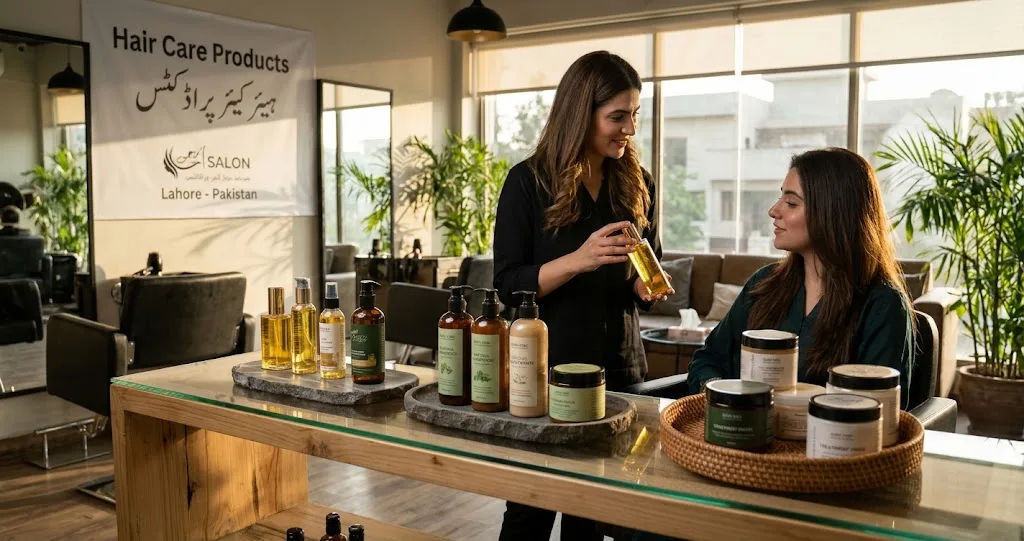
In Pakistan, weather conditions can also influence how hair behaves. Hot summers, humidity, dust, hard water, and seasonal dryness may leave hair feeling greasy, rough, tangled, or difficult to manage. Choosing suitable hair care products pakistan shoppers can find locally is a useful starting point for building a routine that addresses these everyday challenges without making hair care unnecessarily complicated.
The key is understanding what each product does and when to use it. You do not need an expensive collection of products to maintain healthy-looking hair. A few carefully selected essentials, used consistently and correctly, can make a noticeable difference in cleanliness, softness, manageability, and overall appearance.
This comprehensive guide explains how to build a practical hair care routine, choose suitable products, avoid common mistakes, and adjust your approach according to your hair's needs.
Your Hair and Scalp
Before purchasing products, take some time to understand your hair and scalp. This helps you select products that address your actual concerns instead of following every popular trend.
Identify Your Hair Type
Hair types differ in texture, thickness, and natural oil distribution. Understanding these differences makes product selection easier.
Straight hair often allows natural scalp oils to travel down the hair shaft quickly. As a result, it may become oily sooner than other hair types. Lightweight shampoos and conditioners can help maintain freshness without weighing it down.
Wavy hair usually has a combination of straight and curly characteristics. It may experience frizz, particularly during humid weather. Lightweight conditioners and leave-in products can help improve definition and manageability.
Curly hair tends to become dry because natural oils do not travel as easily along its curves. Moisturizing conditioners, gentle cleansing products, and suitable leave-in treatments can help reduce tangling and dryness.
Coily hair often requires extra moisture and careful handling. Rich conditioners, nourishing leave-in products, and occasional deep-conditioning treatments can support softness and reduce breakage.
Hair thickness also matters. Fine hair may become flat when exposed to heavy oils and creams, while thick hair may benefit from richer conditioning products.
Understand Your Scalp Condition
Your scalp plays an important role in maintaining healthy hair. Some people experience excess oil, while others deal with dryness, itching, or dandruff.
If your scalp becomes oily quickly, consider a shampoo designed to remove excess oil without causing excessive dryness. If your scalp feels dry, choose a gentle cleanser and avoid unnecessarily frequent washing.
Dandruff may require a specifically formulated anti-dandruff shampoo rather than ordinary cosmetic products. Persistent itching, redness, scaling, or unusual hair loss should be assessed by a healthcare professional.
Remember that scalp care and hair-shaft care are different. Shampoo primarily cleans the scalp, while conditioner mainly improves the condition and manageability of the hair lengths.
Choosing the Right Hair Care Products in Pakistan
The variety of hair care products pakistan retailers offer can make shopping overwhelming. Instead of buying everything at once, begin with products that meet your most important needs.
Start With a Suitable Shampoo
Shampoo removes dirt, sweat, excess oil, and product buildup from the scalp and hair.
Choose a formula based on your scalp condition rather than relying entirely on the promises printed on the bottle. A shampoo marketed for dry hair may not suit an oily scalp, and a strongly cleansing product may leave already-dry hair feeling rough.
If you exercise regularly, sweat heavily, or spend time outdoors, you may need to wash your hair more frequently. People with dry or textured hair may prefer less frequent washing, depending on their scalp condition.
There is no single washing schedule that works for everyone. Pay attention to how your scalp feels between washes.
Select a Conditioner for Moisture and Smoothness
Conditioner helps improve softness, reduce friction, and make detangling easier. It can also reduce the damage associated with brushing and everyday handling.
Apply conditioner mainly to the middle lengths and ends of your hair. These areas are often older and more vulnerable to dryness and breakage.
People with very dry or curly hair may benefit from applying conditioner more generously. Those with fine hair can use smaller amounts and lighter formulas to prevent a flat appearance.
Leave the product on for the time recommended on its packaging before rinsing thoroughly.
Add Hair Oil When Needed
Hair oils can help lubricate the hair shaft, improve smoothness, and reduce friction. Depending on the oil and formulation, they may also help limit moisture loss and improve the appearance of dry ends.
Common options include coconut oil, argan oil, and other cosmetic hair oils. Each has different characteristics, so the best choice depends on your hair's response.
Apply a small amount to the lengths and ends before washing or as a finishing treatment. If your scalp becomes oily easily, avoid applying large amounts directly to it.
Oil does not replace shampoo or conditioner. It also cannot permanently repair split ends, although it may temporarily make them look smoother.
Consider a Hair Serum
Hair serums can help control frizz, improve shine, and make hair easier to style. Many cosmetic serums contain conditioning ingredients or silicones that reduce friction along the hair shaft.
Use a small amount on damp or dry hair, following the product instructions. Concentrate on the lengths and ends instead of applying too much near the roots.
Serums can be particularly useful in humid weather, when some hair types become frizzy. However, using excessive amounts may make hair look greasy or cause buildup.
Use a Hair Mask for Additional Conditioning
A hair mask is a more intensive conditioning treatment that can be useful when hair feels dry, rough, or difficult to detangle.
Most people do not need to use a mask every day. Depending on the formula and hair condition, weekly or occasional use may be sufficient.
Apply the mask as directed, focusing on the lengths and ends when appropriate. Rinse it out thoroughly if the instructions require rinsing.
A hair mask can improve softness and manageability, but it cannot restore hair that has been permanently damaged by severe chemical processing or physical breakage.
Building a Simple Daily Hair Care Routine
A successful routine should fit comfortably into your schedule. You can achieve good results without spending hours styling your hair every day.
Morning Hair Care
Begin by checking whether your hair needs refreshing. If your scalp feels clean and your hair is manageable, there may be no reason to wash it again.
For dry or tangled hair, gently separate knots with your fingers or a suitable wide-tooth comb. Start at the ends and gradually work upward to reduce pulling.
If your hair looks frizzy, apply a small amount of leave-in conditioner or serum, provided the product suits your hair type.
Avoid brushing aggressively, especially when your hair is wet and more vulnerable to stretching and breakage.
Protect Your Hair During the Day
Everyday activities can affect hair condition. Direct sunlight, dust, sweat, and friction from clothing may contribute to dryness, tangling, or product buildup.
When spending long periods outdoors, consider wearing a comfortable hat or using a suitable hair product that provides UV protection. Follow the manufacturer's directions, particularly if the product is intended for use on the scalp.
Avoid repeatedly touching or pulling your hair. Tight ponytails, buns, and braids can cause unnecessary tension when worn frequently.
If you wear a helmet, keep it clean and ensure it fits comfortably. Wash your hair when necessary after heavy sweating rather than allowing sweat and styling products to accumulate for long periods.
Evening Hair Care
Your evening routine can be simple. Remove styling products when necessary, gently detangle your hair, and avoid sleeping with tightly secured hairstyles.
If your hair is particularly prone to tangling, consider using a smooth pillowcase and loosely securing longer hair before bed.
You generally do not need to apply several oils and serums every night. Excessive product use may create buildup, particularly around the scalp.
A consistent, uncomplicated routine is often easier to maintain than a complicated schedule involving numerous products.
Creating a Weekly Hair Care Schedule
Daily maintenance is only one part of hair care. A weekly schedule helps you manage cleansing, conditioning, and additional treatments without overusing products.
Wash According to Your Needs
People with oily scalps may need to shampoo daily or every other day, depending on their activities and the shampoo they use. Others may find that washing two or three times a week works better.
These are examples rather than strict rules. Your climate, exercise habits, hair texture, and scalp condition should guide your decision.
During Pakistan's hotter months, some people need more frequent washing because of sweat and humidity. However, frequent washing is not automatically harmful if you use an appropriate shampoo and your hair tolerates it well.
Plan a Conditioning Treatment
Use a regular conditioner whenever you shampoo if your hair benefits from it. Add a hair mask occasionally when extra conditioning is needed.
For example, someone with dry, curly hair might use a moisturizing mask once a week, while someone with fine, oily hair might use one less frequently.
Pay attention to the results. If your hair becomes heavy, limp, or difficult to rinse, reduce the amount or frequency.
Clean Your Hair Tools
Brushes, combs, and styling tools can accumulate oil, loose hair, and product residue.
Remove trapped hair regularly and wash suitable tools according to their material and care instructions. Allow them to dry completely before using them again.
Keeping tools clean helps prevent unnecessary residue from transferring back onto your hair.
Adjusting Your Routine to Pakistan's Climate
Climate can influence how often you wash your hair and which products feel comfortable.
Hair Care During Hot Summers
Heat and sweating can make the scalp feel uncomfortable, especially after commuting, exercising, or spending time outdoors.
Use a shampoo that removes sweat and excess oil without leaving your hair excessively dry. If you wash frequently, follow with a conditioner suited to your hair texture.
Avoid applying heavy products in large amounts if they make your scalp feel greasy.
Managing Humidity and Frizz
Humidity can cause some hair types to swell and lose their preferred shape. This may lead to frizz, particularly in wavy, curly, or chemically treated hair.
A lightweight leave-in conditioner or anti-frizz serum may help improve manageability. Products designed to smooth the hair shaft can also reduce friction.
Use only as much as necessary. Applying more product does not always produce better results.
Caring for Hair in Dry Weather
Dry weather, indoor air conditioning, and frequent heat styling may contribute to roughness and dryness.
Use a suitable conditioner after washing and consider occasional deep conditioning if your hair needs extra moisture.
Reduce unnecessary heat exposure and avoid washing with excessively hot water, which can aggravate dryness in some people.
Considering Hard Water
Water quality varies between locations in Pakistan. In some areas, hard water contains higher concentrations of minerals that may leave deposits on hair.
Possible signs include persistent residue, roughness, or difficulty achieving a clean feeling, although these symptoms can have other causes.
If hard water appears to affect your hair, consider a product specifically formulated to remove mineral buildup. Follow its directions carefully, because clarifying products may be drying when overused.
A shower filter may help with certain impurities, but many standard filters do not reliably remove dissolved hardness minerals. Choose a treatment based on your actual water conditions rather than assuming every hair problem is caused by hard water.
How to Apply Hair Care Products Correctly
The effectiveness of a product depends partly on how you use it. Correct application helps you avoid waste and unnecessary buildup.
Follow the Correct Application Order
For a basic wash-day routine, follow this order:
-
Wet your hair thoroughly with lukewarm water.
-
Apply shampoo to the scalp and massage gently with your fingertips.
-
Rinse the shampoo completely.
-
Apply conditioner to the lengths and ends.
-
Leave the conditioner on for the recommended time.
-
Rinse thoroughly if the product requires rinsing.
-
Gently squeeze excess water from your hair.
-
Apply a leave-in conditioner or serum if needed.
-
Allow your hair to air-dry when practical, or use a hair dryer on a moderate setting.
Hair oils and styling products can be added according to their instructions and your personal needs.
Not every product belongs in every routine. A person with oily, straight hair may need fewer moisturizing products than someone with dry, tightly curled hair.
Use the Right Amount
Using more shampoo, conditioner, or serum than necessary can waste money and make rinsing more difficult.
Start with a small amount and increase it only if your hair requires more. Longer or thicker hair may need additional conditioner, while fine hair often benefits from lighter application.
Always follow the label, especially for medicated shampoos and chemical treatments.
Avoid Common Application Mistakes
Do not scrub your scalp aggressively with your fingernails. This can irritate the skin and cause discomfort.
Avoid applying conditioner heavily to an oily scalp unless the product is specifically intended for that area. Similarly, do not leave a rinse-out treatment in your hair unless its instructions allow it.
Never assume that a product advertised as natural is automatically suitable for everyone. Fragrances, essential oils, and botanical ingredients can irritate sensitive skin.
Choosing Products for Specific Hair Concerns
Different concerns require different approaches. Selecting products according to the problem can help you avoid unnecessary purchases.
For Dry and Damaged Hair
Look for gentle shampoos, conditioning formulas, and leave-in products that improve softness and reduce friction.
Limit frequent heat styling, aggressive brushing, and repeated chemical processing. If your ends are split, trimming them is the practical way to remove the damaged portions.
For Oily Hair
Choose a shampoo that cleans effectively without irritating your scalp. Apply conditioner mainly to the lengths and ends.
Avoid layering multiple oils and heavy styling products near the roots. If you experience persistent greasiness alongside itching or scaling, consider professional advice.
For Frizzy Hair
Use a conditioner suited to your hair texture and consider a leave-in treatment or smoothing serum.
Dry your hair gently rather than rubbing it vigorously with a towel. A microfiber towel or soft cotton T-shirt may reduce friction for some hair types.
For Hair Fall and Breakage
First, distinguish between hair shedding from the roots and breakage along the hair shaft.
Conditioners and detangling products may reduce breakage, but they do not address every cause of hair loss. Hair shedding can be associated with genetics, stress, nutritional deficiencies, hormonal changes, illness, and certain medications.
Avoid relying on oils or shampoos as guaranteed hair-growth treatments. If hair loss is sudden, severe, patchy, or persistent, consult a dermatologist or qualified healthcare professional.
Mistakes to Avoid When Using Hair Care Products
Even good products can disappoint when they are used incorrectly.
Buying Too Many Products at Once
A large collection makes it difficult to determine which products actually help. Begin with shampoo, conditioner, and one additional product that addresses your main concern.
Introduce new products gradually so you can identify possible irritation or unwanted effects.
Following Every Online Trend
A routine that works for someone else may not suit your scalp or hair texture. Social media recommendations often overlook differences in climate, genetics, water quality, and styling habits.
Choose products based on your own needs rather than popularity alone.
Expecting Instant Results
Some improvements, such as softness and reduced tangling, may be noticeable after one use. Other changes require more time and consistent care.
Hair grows gradually, and cosmetic products cannot instantly reverse every type of damage. Evaluate products realistically instead of expecting dramatic overnight transformations.
Ignoring Product Labels
Check ingredient lists, usage directions, expiry dates, and any warnings. Buy from reputable retailers and be cautious of suspiciously cheap products sold in packaging that appears altered.
If a product causes burning, swelling, significant itching, or a rash, discontinue use. Seek medical advice if symptoms are severe or persistent.
Building an Affordable Hair Care Routine
Effective hair care does not require premium products or a complicated collection.
Start with three essentials: a shampoo suited to your scalp, a conditioner suited to your hair, and an optional leave-in product for your main concern.
Once you understand how these products work for you, consider adding a hair mask, oil, or styling product if there is a clear reason.
Compare product sizes and prices, but do not choose solely on cost. A product that suits your hair and can be used consistently may offer better value than an expensive formula that produces disappointing results.
When shopping for hair care products pakistan consumers can access through pharmacies, supermarkets, salons, and online stores, check the seller's reputation and the product's authenticity. Avoid purchasing from sources that cannot provide reliable product information.
You should also consider how long a product lasts, whether it causes irritation, and whether it genuinely improves your hair's condition.
Conclusion
Creating a healthy hair care routine is mainly about understanding your hair, choosing suitable products, and using them consistently. You do not need dozens of treatments to achieve softer, cleaner, and more manageable hair. A practical routine built around shampoo, conditioner, and a few carefully selected extras is often enough.
When choosing hair care products pakistan shoppers can find in local stores and online marketplaces, consider your scalp condition, hair texture, climate, and budget. Select products for specific purposes rather than purchasing them simply because they are popular. Use shampoo to cleanse your scalp, conditioner to improve manageability, and oils or serums when they provide a genuine benefit.
Your routine should also change when your needs change. Hot weather, physical activity, hard water, heat styling, and seasonal dryness may require adjustments to washing frequency or product selection. Pay attention to how your hair responds and avoid applying unnecessary products.
Most importantly, remember that healthy-looking hair depends on more than cosmetic treatments. Gentle handling, balanced nutrition, adequate sleep, and appropriate medical care when necessary all contribute to overall hair health. Persistent scalp problems or unusual hair loss deserve professional attention rather than repeated experimentation with new products.
With patience and a simple, consistent approach, you can develop a routine that fits your lifestyle, supports your hair's needs, and makes everyday hair care easier to manage.