Homeowners in Texas are increasingly turning to durable, modern flooring solutions, and austin epoxy floors have become one of the most talked-about options for garages, basements, and even living spaces. If you are planning a home upgrade, understanding what to expect from austin epoxy floors can help you make a confident decision. 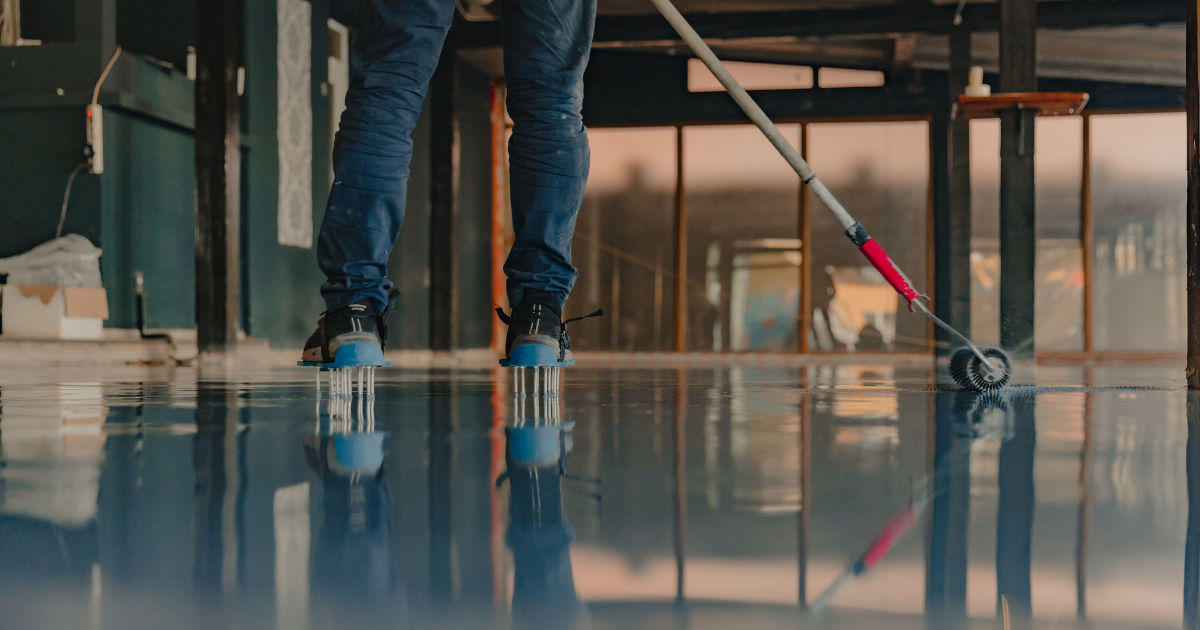 These floors are known for their strength, sleek appearance, and long-term value, but they also come with specific installation steps, maintenance needs, and performance expectations.
For many homeowners, austin epoxy floors are appealing because they combine industrial-grade durability with a polished, customizable finish. Unlike traditional tile or wood, epoxy creates a seamless surface that resists stains, chemicals, and heavy traffic. However, the experience of getting austin epoxy floors installed is more involved than simply picking a color and waiting for the result.
In this guide, you will learn exactly what to expect—from preparation and installation to long-term care and cost considerations—so you can decide whether austin epoxy floors are the right fit for your home.
What Homeowners Should Know Before Installing Epoxy Floors
Before committing to austin epoxy floors, homeowners should understand that epoxy is not just a coating—it is a chemical bonding system applied in layers over concrete. The final result depends heavily on the condition of the base floor and the skill of the installer.
Many people assume austin epoxy floors are a quick weekend project, but professional installations require careful surface preparation, curing time, and environmental control. Temperature and humidity in Austin can also affect how well austin epoxy floors cure and bond to the concrete.
Homeowners should also expect some disruption during installation. Rooms may be inaccessible for several days depending on the project size. Despite this, the long-term benefits of austin epoxy floors often outweigh the short-term inconvenience.
Durability and Performance Expectations
One of the biggest reasons homeowners choose austin epoxy floors is durability. These floors are designed to handle heavy loads, foot traffic, and even vehicle weight without cracking or deteriorating easily.
With proper installation, austin epoxy floors can last many years without significant wear. They resist oil spills, chemical stains, and moisture penetration, making them ideal for garages and utility spaces.
However, it is important to understand that austin epoxy floors are not indestructible. Sharp impacts or improper surface preparation can lead to chipping or peeling over time. Still, compared to traditional flooring, austin epoxy floors offer a significantly longer lifespan.
Another advantage is resistance to dust and allergens. Because austin epoxy floors create a sealed surface, they prevent dust buildup and make cleaning much easier for homeowners who want a low-maintenance environment.
Installation Process and What to Expect
Installing austin epoxy floors involves multiple steps that must be completed with precision. The process begins with concrete preparation, which includes grinding or etching the surface to ensure proper adhesion.
Next, installers apply a primer layer. This is a critical step for austin epoxy floors, as it helps the epoxy bond securely to the concrete base. Without proper priming, the flooring may fail prematurely.
After the primer, multiple epoxy layers are applied. Each layer of austin epoxy floors must cure before the next is added. Depending on the design, decorative flakes or metallic pigments may also be included.
Finally, a topcoat seals the system. This protective layer ensures austin epoxy floors remain resistant to stains, scratches, and UV exposure. The full installation process may take several days, followed by additional curing time before the floor can be used.
Homeowners should expect limited access to the area during installation, as austin epoxy floors require a controlled environment for proper curing.
Cost Expectations and Budget Planning
When budgeting for austin epoxy floors, homeowners should consider several factors, including material quality, design complexity, and surface condition.
Basic installations of austin epoxy floors are generally more affordable than premium decorative systems. However, custom designs with metallic finishes or intricate patterns will increase the overall cost.
Surface preparation can also impact pricing. If the concrete base requires extensive repair before installing austin epoxy floors, labor costs may rise.
Despite initial expenses, many homeowners find that austin epoxy floors are cost-effective in the long run. Their durability reduces the need for frequent repairs or replacements, saving money over time.
It is also worth noting that professional installation is highly recommended. While DIY kits exist, professionally installed austin epoxy floors typically last longer and perform better under heavy use.
Maintenance and Long-Term Care
One of the key advantages of austin epoxy floors is their low maintenance requirements. Daily cleaning usually involves simple sweeping or mopping with mild soap and water.
Because austin epoxy floors are non-porous, they do not absorb spills or stains easily. This makes them ideal for busy households, especially those with pets or children.
However, homeowners should avoid using harsh chemicals or abrasive cleaning tools, as these can damage the protective topcoat of austin epoxy floors over time.
It is also recommended to place protective pads under heavy furniture or equipment. While austin epoxy floors are strong, preventing unnecessary surface stress will extend their lifespan even further.
Occasional resealing may be required after several years, depending on usage. Proper care ensures that austin epoxy floors continue to look glossy and perform well for a long time.
Design Options and Aesthetic Appeal
Modern austin epoxy floors are not just functional—they are also highly customizable. Homeowners can choose from a wide range of colors, textures, and finishes to match their interior style.
Some prefer a solid, clean look, while others opt for metallic or flake designs that add depth and visual interest. With austin epoxy floors, it is possible to achieve a high-end showroom appearance even in residential spaces.
Lighting also plays a role in how austin epoxy floors appear. Glossy finishes reflect light, making rooms feel brighter and more open. This is especially useful in garages or basements with limited natural light.
Because austin epoxy floors are seamless, they also create a modern and minimalistic look that pairs well with contemporary home designs.
How Austin Climate Affects Epoxy Flooring
The climate in Texas plays an important role in how austin epoxy floors perform over time. High temperatures and humidity levels can affect curing during installation.
Professional installers understand how to adjust materials and timing to ensure austin epoxy floors cure properly in Austin’s weather conditions. Without these adjustments, the flooring may not bond correctly.
Once installed, austin epoxy floors perform well in heat and resist moisture penetration, making them suitable for the region’s climate. However, direct sunlight exposure in outdoor areas can eventually cause slight discoloration if UV protection is not applied.
For indoor use, austin epoxy floors remain one of the most stable flooring options in hot climates.
Common Mistakes Homeowners Should Avoid
When planning for austin epoxy floors, homeowners sometimes make mistakes that can affect long-term results. One common issue is choosing unqualified installers. Poor installation can lead to bubbling, peeling, or uneven surfaces in austin epoxy floors.
Another mistake is skipping proper surface preparation. Without grinding or cleaning, austin epoxy floors may not adhere correctly to the concrete base.
Some homeowners also underestimate curing time. Walking on or placing heavy objects too early can damage newly installed austin epoxy floors.
Finally, choosing low-quality materials to save money can reduce durability. High-quality materials ensure that austin epoxy floors maintain their strength and appearance over time.
Choosing the Right Contractor
Selecting the right professional is essential for successful austin epoxy floors installation. Experienced contractors understand how to handle surface preparation, mixing ratios, and curing conditions.
Homeowners should look for contractors with proven experience specifically in austin epoxy floors, not just general flooring services.
Checking reviews, past projects, and warranties can help ensure you are hiring a qualified installer. Reliable professionals will also provide clear timelines and maintenance instructions for austin epoxy floors.
Communication is key. A good contractor will explain every step of the process so homeowners understand what to expect from austin epoxy floors before, during, and after installation.
Installation Timeline and Project Phases
The timeline for austin epoxy floors varies depending on the size of the area and the complexity of the design. Most residential projects take several days from start to finish.
The first phase involves surface preparation, which is critical for austin epoxy floors to bond properly. This may take one to two days depending on floor condition.
Next comes primer and base coat application. Each layer of austin epoxy floors must cure before the next step begins.
Decorative layers and topcoats are applied afterward, followed by final curing. Homeowners should expect limited access during this entire process, as austin epoxy floors require uninterrupted curing time for best results.
Once complete, the floor is ready for light use, but full curing may take up to a week.
Pros and Cons of Epoxy Flooring
Like any flooring option, austin epoxy floors come with both advantages and limitations.
On the positive side, austin epoxy floors are extremely durable, easy to clean, and visually appealing. They also resist stains, moisture, and heavy wear, making them ideal for garages and utility areas.
However, austin epoxy floors can become slippery when wet unless anti-slip additives are used. They also require professional installation for best results, which increases upfront cost.
Temperature sensitivity during installation is another factor to consider. Despite these drawbacks, many homeowners still choose austin epoxy floors because of their long-term performance and modern appearance.
Conclusion
Homeowners considering a flooring upgrade will find that austin epoxy floors offer a strong balance of durability, style, and low maintenance. From installation to long-term care, these floors are designed to handle demanding conditions while maintaining a clean and polished look.
While the installation process requires patience and professional expertise, the long-term benefits make austin epoxy floors a worthwhile investment for many homes in Austin. With proper care, they can last for years while maintaining both strength and visual appeal.
Ultimately, understanding what to expect helps homeowners make informed decisions and avoid common mistakes. For those seeking a modern, durable, and practical flooring solution, austin epoxy floors remain one of the most reliable choices available today.
About the Author