

When an old vehicle reaches the end of its useful life, many owners wonder what happens after it leaves their driveway. car wreckers geelong services play an important role in giving unwanted vehicles a second life through dismantling, parts recovery, reuse, and recycling. Instead of simply treating an old car as rubbish, professional wreckers can separate valuable components and materials so that as much of the vehicle as possible remains useful.
The process involves several stages. A vehicle is assessed, collected, inspected, dismantled, and separated into reusable parts and recyclable materials. Fluids and other materials also need to be handled responsibly. The exact process varies between businesses, but the overall goal is to recover value while reducing unnecessary waste.
Why Do Old Cars Go to Wreckers?
Cars eventually become expensive or impractical to maintain. An older vehicle may have major mechanical problems, extensive rust, accident damage, electrical faults, or simply too many kilometres to justify further repairs.
Some vehicles are still valuable for their individual components even when they are no longer suitable for everyday driving. An engine, gearbox, alternator, headlights, doors, mirrors, wheels, or other components may remain usable.
This is one reason car wreckers geelong businesses can provide an alternative to leaving an unwanted vehicle unused. Local dismantlers commonly handle old, damaged, unwanted, and non-running vehicles.
A vehicle that looks worthless to an owner can therefore contain many materials and components with practical value.
The Initial Vehicle Assessment
The first major stage is assessment. Once an old car arrives at a wrecking facility, workers inspect its condition and identify what can potentially be recovered.
They may consider the vehicle's make, model, age, condition, mileage, mechanical components, body panels, interior, wheels, and other features.
The assessment helps determine whether particular parts should be removed for resale or reuse. It also helps identify materials that can eventually be sent for recycling.
Parts from popular models can be especially useful because there may be continuing demand from people repairing similar vehicles.
Vehicle Identification and Documentation
Before dismantling begins, the vehicle may need to be identified and its relevant ownership or registration information checked according to the applicable requirements.
Owners should provide accurate vehicle information when arranging removal. This can include the make, model, year, registration details, and vehicle identification information where required.
Good documentation helps establish that the vehicle has been legitimately transferred and allows the business to maintain appropriate records.
Owners should also remove personal belongings from the vehicle before collection. Items left inside can be difficult to recover once dismantling begins.
Removing Fluids and Hazardous Materials
An important part of responsible vehicle recycling is removing fluids before the vehicle is dismantled extensively.
Old cars can contain engine oil, coolant, brake fluid, transmission fluid, fuel, and other substances. These materials should not simply be allowed to escape into the ground or drainage systems.
Professional dismantlers use controlled processes for dealing with these materials. Some Geelong wrecking businesses specifically describe fluid removal and responsible disposal as part of their recycling practices.
This stage protects workers, the surrounding environment, and other people who may later handle the vehicle or its components.
Dismantling the Vehicle
After assessment and preparation, the vehicle can be dismantled.
Dismantling involves carefully removing components that have a realistic chance of being reused. Depending on the vehicle, this can include the engine, transmission, radiator, doors, bonnet, boot lid, headlights, tail lights, mirrors, wheels, electrical components, and interior items.
The exact sequence depends on the vehicle and the parts that are considered valuable.
Some Geelong dismantlers maintain extensive inventories of components recovered from cars, vans, four-wheel drives, and light commercial vehicles.
What Happens to Usable Parts?
One of the biggest benefits of automotive dismantling is parts recovery.
A component does not necessarily become useless just because the original vehicle has reached the end of its road life. If a part remains in suitable condition, it can potentially be inspected and prepared for another vehicle.
Used parts can provide a more affordable option for motorists repairing older cars. Geelong dismantlers list components such as engines, gearboxes, radiators, doors, panels, mirrors, lights, alternators, starter motors, driveshafts, and differentials among the parts they may supply.
This creates a form of reuse. Instead of manufacturing every replacement component from new materials, an existing part can continue serving a useful purpose.
Engines and Gearboxes
Engines and transmissions are often among the most important components removed from an old vehicle.
Their condition varies considerably. Some may have significant mechanical wear, while others may remain suitable for reuse or rebuilding.
A dismantler can assess components before deciding what happens to them. Depending on their condition and local practices, parts may be sold as used components, reconditioned, sent for further processing, or recycled for their materials.
This approach can extend the useful life of components that would otherwise be discarded with the vehicle.
Body Panels and Interior Components
Body components can also have considerable value.
Doors, guards, bonnets, boot lids, bumpers, mirrors, grilles, and lights may be removed when they are in usable condition.
Interior components such as seats, switches, trim pieces, and other fittings may also be recovered.
The availability of these parts is useful for owners of older vehicles because manufacturers may no longer produce certain components or may sell replacements at higher prices.
Cleaning, Testing, and Cataloguing Parts
Recovered parts generally need to be identified and assessed before being offered to customers.
Some businesses clean components, inspect them, and organise them within an inventory system. Corio Auto Parts, for example, states that its used components are dismantled, cleaned, and tested before being made available for purchase.
Cataloguing also makes it easier for customers to search for a particular component.
This is particularly useful when someone needs a specific part for an older or less common vehicle.
What Happens to Metal?
Once reusable components have been removed, a large portion of the remaining vehicle consists of recyclable materials.
Steel is particularly important because it forms much of a conventional vehicle's body structure. Aluminium and other metals may also be present in different components.
The remaining shell can be processed for metal recovery after appropriate dismantling and preparation.
Automotive recycling therefore reduces the amount of vehicle material that needs to become general waste.
Recycling Beyond the Car Body
A vehicle is made from much more than steel.
Depending on the vehicle, dismantlers can encounter aluminium, copper, plastics, rubber, glass, wiring, textiles, and other materials.
Separating these materials can make recycling more effective.
For example, metal can be recovered and processed for use in manufacturing, while selected plastics and other materials may enter appropriate recycling streams where suitable facilities are available.
The exact materials recovered depend on the vehicle, the dismantler, available recycling infrastructure, and the condition of individual components.
What Happens When Parts Cannot Be Reused?
Not every component can be reused.
Some parts may be too damaged, worn, contaminated, or outdated to sell safely. Other components may have little demand.
These parts can still contain recoverable materials.
Instead of treating every unusable component as ordinary rubbish, professional recycling processes aim to separate valuable materials wherever practical.
Eventually, the remaining vehicle shell and other scrap materials can be processed through metal recycling systems.
The Role of Car Crushers
After useful parts and other recoverable materials have been removed, the remaining shell may be crushed.
Crushing reduces the vehicle's physical size and makes it easier to transport and process as scrap metal.
It also prepares the remaining material for downstream recycling.
Some Geelong car removal businesses describe a process in which vehicles are dismantled and the remaining shell is crushed for scrap metal recovery.
The crushed material can then enter recycling channels where metals are separated and processed for future manufacturing.
How Recycling Helps the Environment
Vehicle recycling has environmental advantages because it keeps useful materials in circulation.
Manufacturing products from recovered materials can reduce the need for entirely new raw materials. Recycling also prevents an old vehicle from simply occupying space indefinitely.
Responsible dismantling can further reduce environmental risks associated with fluids and other vehicle materials.
For this reason, car wreckers geelong services can contribute to a broader circular approach to vehicle ownership. Materials and components are recovered and redirected toward new uses rather than automatically being treated as waste.
How Old Cars Can Help Other Vehicle Owners
An old vehicle can continue helping other motorists even after it stops serving its original owner.
A replacement door from one vehicle may help repair another. A usable mirror can restore an older car. A suitable gearbox or electrical component may help keep another vehicle operating.
This reuse creates a connection between vehicles that might otherwise have little value.
It also gives owners of older cars another source for replacement components.
Why Wreckers Buy Different Types of Vehicles
Wreckers do not necessarily need every vehicle to be roadworthy.
Many businesses accept vehicles that are old, damaged, unwanted, unregistered, or no longer running. Grant's Auto Dismantlers, for example, advertises removals for old, damaged, unregistered, and unwanted vehicles.
The reason is simple: a vehicle's value does not depend entirely on whether it can be driven.
Even a non-running car can contain valuable components and recyclable materials.
What Determines an Old Car's Value?
The amount offered for an unwanted vehicle can vary considerably.
Factors can include the make and model, age, condition, demand for parts, completeness of the vehicle, metal content, and current recycling conditions.
A vehicle with desirable reusable parts may have a different value from one that is heavily damaged or missing major components.
Owners should provide accurate information when requesting an assessment. Photographs can also help a business understand the vehicle's condition before arranging collection.
Vehicle Removal and Towing
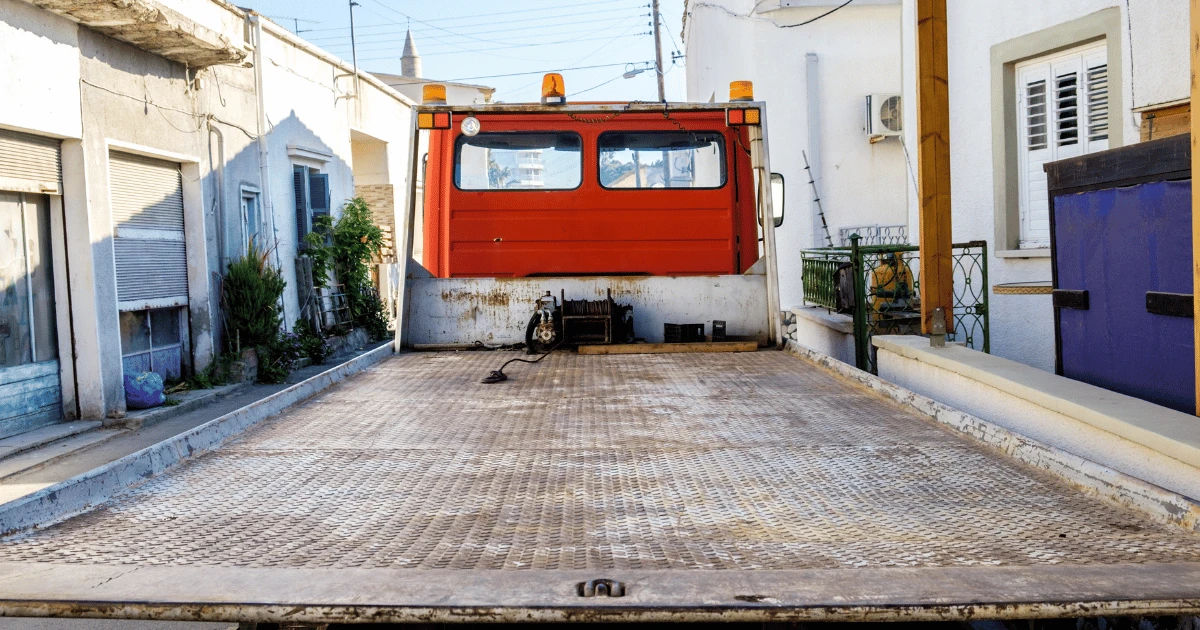
Many wrecking businesses also provide vehicle removal.
This is particularly useful when an old car cannot be driven. Rather than paying someone to transport the vehicle separately, owners may be able to arrange collection through the dismantler.
Several Geelong businesses advertise removal or towing services for unwanted vehicles.
The exact terms, availability, and costs can vary between providers, so owners should confirm these details before agreeing to a sale.
What Owners Should Do Before Collection
Preparing an old car for collection is usually straightforward.
First, remove personal belongings. Check the glove compartment, centre console, boot, door pockets, and under the seats.
Next, gather the vehicle documents and information that may be needed for the transaction.
If the car has special circumstances, such as significant damage or missing components, tell the dismantler beforehand.
Finally, make sure the collection area is accessible. Clear access can make towing safer and more efficient.
Choosing a Responsible Wrecker
Not all businesses operate in exactly the same way, so it is sensible to ask questions before handing over an old vehicle.
Ask how the company handles vehicle fluids, reusable parts, scrap metal, paperwork, and vehicle collection.
You can also ask whether the business provides a written quote and what documentation is required.
A professional operation should be able to explain its process clearly rather than making vague promises.
What Happens to the Vehicle After Collection?
The complete journey can be summarised as a series of steps.
The vehicle is collected and taken to the facility. It is identified and assessed. Reusable components are selected. Fluids and other materials requiring careful handling are removed. Parts are dismantled and assessed.
Reusable components can then be cleaned, tested, stored, and sold.
Materials that cannot be reused are separated where practical. Metals are recovered, while the remaining shell can be processed as scrap.
The result is that an old vehicle becomes a collection of useful resources rather than simply remaining an abandoned object.
Why This Process Matters
The value of vehicle dismantling goes beyond the individual car owner.
It supports the used-parts market, gives motorists access to replacement components, creates demand for skilled dismantling work, and helps recover materials.
Geelong has established businesses that specialise in vehicle dismantling and recycled parts. For example, local operators advertise extensive inventories covering cars, four-wheel drives, vans, and commercial vehicles.
This demonstrates how an end-of-life vehicle can remain part of the automotive supply chain.
Common Misunderstandings About Old Cars
One common misunderstanding is that every old car is immediately crushed.
In reality, responsible dismantling generally aims to recover useful components before the remaining shell is processed.
Another misconception is that a non-running vehicle has no value.
Mechanical failure can reduce a vehicle's road value, but individual components and recyclable materials may still be useful.
It is also incorrect to assume that recycling means every part is recycled in exactly the same way. Different materials require different handling and processing methods.
A More Sustainable End for an Old Vehicle
Giving an unwanted vehicle to a professional dismantler can be a practical way to close its ownership cycle.
Instead of leaving the car unused, its components can be assessed for continued use. Metals can be recovered, and other materials can be directed toward suitable recycling or disposal processes.
This approach supports the idea that a vehicle can have several useful lives through its individual components.
For motorists, it can also be a convenient way to clear unwanted vehicles from garages, driveways, or private property.
Conclusion
So, what happens to old cars at car wreckers geelong facilities? The answer involves much more than simply crushing an unwanted vehicle.
The process generally begins with collection and assessment. Workers examine the vehicle to determine which components can potentially be reused. Important parts may be removed, inspected, cleaned, tested, stored, and eventually sold to customers looking for affordable replacement components.
Fluids and other materials requiring controlled handling are dealt with during the dismantling process. Once valuable components have been recovered, the remaining vehicle is separated into recyclable materials wherever practical.
Steel and other metals can become scrap material for further processing, while other recoverable materials may enter appropriate recycling streams. Eventually, the remaining shell can be crushed and transported for further metal recovery.
This process gives old vehicles a useful purpose after their driving life has ended. A car that is no longer economical to repair may still provide a door for another vehicle, an engine component for a repair, or metal that can be used again in manufacturing.
For vehicle owners, using a reputable dismantler can therefore be a practical and environmentally responsible option. It can remove an unwanted vehicle while helping useful components and materials remain in circulation.
Ultimately, the modern wrecking process is about recovery rather than simple disposal. An old car may look like one unwanted object, but it is actually a collection of parts and materials with different potential uses. That is why professional car wreckers geelong operations remain an important part of the automotive recycling system.