
Are leather jackets warm enough for winter? The answer depends on the type of leather jacket, its insulation, lining, fit, and the weather conditions where you plan to wear it. A quality jacket from a reputable Pelle Pelle Store can provide excellent warmth, but not every leather jacket is designed for freezing temperatures.
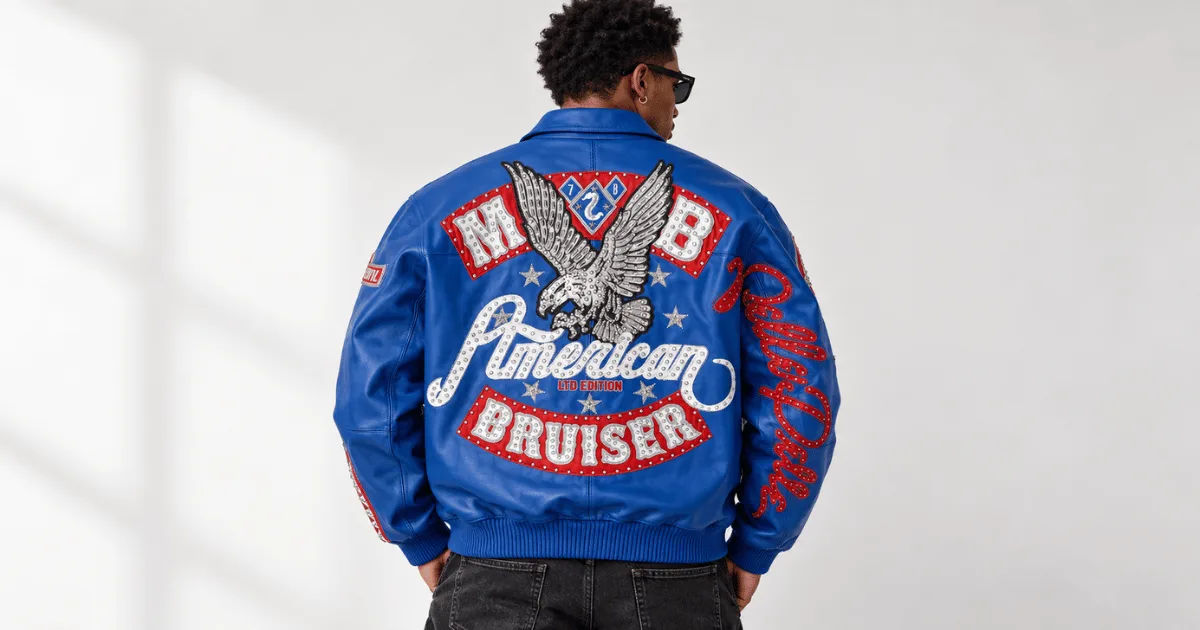
Leather is naturally useful in cold weather because it blocks wind and provides a strong outer barrier against chilly air. However, leather alone does not always provide enough insulation for extremely cold conditions. The warmth of a jacket depends on what is inside it as much as what is on the outside.
This comprehensive guide explains how leather jackets perform during winter, what makes them warm, which styles are best for cold weather, and how to wear one comfortably when temperatures drop.
How Warm Are Leather Jackets in Winter?
Leather jackets can be surprisingly warm during winter. Genuine leather is a dense material that helps prevent cold air from passing through the outer surface. This makes it especially useful on windy days when a lightweight fabric jacket may not provide enough protection.
However, leather is primarily an outer shell rather than a complete insulation system. A thin leather jacket with a lightweight lining may feel comfortable during cool autumn weather but may not be sufficient during freezing winter conditions.
A well-insulated leather jacket is a different story. Jackets with quilted linings, fleece, wool, shearling, or synthetic insulation can retain much more body heat.
Leather Provides Good Wind Protection
One of the biggest advantages of leather during winter is its ability to reduce wind exposure. Strong wind can make cold temperatures feel much harsher, particularly when you are walking outdoors.
A properly fitted leather jacket creates a protective layer between your body and the outside air. This can make a noticeable difference on windy winter days.
The effectiveness of this protection also depends on the jacket's construction. A jacket with a secure front closure, fitted cuffs, and a high collar generally keeps cold air out better than a loose design.
Insulation Determines Much of the Warmth
When deciding whether a leather jacket is suitable for winter, look beyond the leather itself.
The internal insulation is extremely important. A jacket lined with warm materials can trap air close to the body and reduce heat loss. This is why two leather jackets made from similar leather can feel completely different in cold weather.
A Pelle Pelle Store may offer leather designs with different levels of lining and construction, so shoppers should check the product details rather than assuming every leather jacket has the same warmth.
What Makes a Leather Jacket Warm?
Several features determine how effectively a leather jacket protects you from winter temperatures.
Type of Leather
Different types of leather can have different thicknesses and levels of durability. Thicker leather generally provides a stronger barrier against wind and cold than very thin leather.
Cowhide, for example, is often valued for its durability and substantial feel. Lambskin is softer and lighter, which can make it comfortable but potentially less protective when used in a very lightweight design.
The leather type should therefore be considered together with the lining and overall construction.
Warm Interior Lining
The lining can have a major impact on winter performance.
Common lining materials include polyester, quilted fabric, cotton blends, fleece, and wool. Some winter leather jackets also use shearling, which combines a leather exterior with a warm wool interior.
A heavily lined jacket is generally better for cold conditions than an unlined or lightly lined leather jacket.
Shearling or Wool Lining
Shearling leather jackets are among the warmest traditional leather styles. They typically have a leather exterior and a thick wool interior.
The wool helps trap warm air around the body, while the leather exterior provides protection from wind. This combination can be highly effective in cold winter environments.
A shearling jacket can also have a distinctive appearance, making it useful for people who want both warmth and classic style.
High Collar
A high collar helps protect the neck from cold air. Since a large amount of heat can be lost through exposed areas of the body, covering the neck can make a jacket feel considerably warmer.
Some leather jackets include snap collars, stand collars, or removable fur and shearling collars for additional protection.
Secure Cuffs
Cold air can enter through the sleeves if the cuffs are too loose. Elastic, buttoned, or zipped cuffs can help reduce this problem.
When shopping at a Pelle Pelle Store, examining details such as sleeve cuffs and closures can help you determine whether a jacket is designed for colder conditions.
Are Leather Jackets Warm Enough for Freezing Temperatures?
A standard leather jacket may not be enough for extremely cold weather.
If temperatures fall well below freezing, insulation becomes much more important. A thin leather shell might block wind but still allow your body to lose heat because it does not contain enough insulating material.
For severe winter weather, consider a leather jacket with shearling, wool, quilted insulation, or another substantial inner layer.
Your clothing underneath also matters. A thermal base layer, sweater, or fleece can significantly improve warmth.
Mild Winter Weather
For mild winter temperatures, a leather jacket can be an excellent choice.
If temperatures are cool rather than dangerously cold, a medium-weight leather jacket combined with a sweater can provide enough warmth for everyday activities.
This makes leather jackets particularly practical during fall, early winter, and warmer winter days.
Very Cold Weather
When temperatures become extremely low, a basic fashion leather jacket may not provide adequate protection.
In such situations, choose a heavily insulated design and combine it with appropriate winter clothing. Gloves, a hat, scarf, warm trousers, and insulated footwear can be just as important as the jacket.
Best Leather Jacket Styles for Winter
Not every leather jacket style is equally suitable for cold weather.
Shearling Leather Jackets
Shearling jackets are among the strongest options for winter. Their thick interior provides natural insulation while the leather exterior protects against wind.
They are particularly useful in colder climates where lightweight jackets are not sufficient.
Leather Bomber Jackets
Leather bomber jackets can also work well during winter when they have a thick lining.
Their ribbed cuffs and waistband can help prevent cold air from entering around the body and sleeves. A lined bomber is generally more winter-friendly than an unlined fashion version.
Leather Parka-Style Jackets
Longer leather jackets can provide additional coverage around the hips and upper legs.
A leather parka with insulation can be a practical option for people who spend significant time outdoors during winter.
Long Leather Coats
Long leather coats offer more body coverage than short jackets. This can be helpful when standing or walking outside for extended periods.
Their effectiveness still depends on insulation. A long but thin leather coat may not be as warm as a shorter jacket with substantial insulation.
How to Layer a Leather Jacket for Winter
Layering is one of the easiest ways to make a leather jacket more suitable for cold weather.
Start With a Base Layer
Begin with a thermal or moisture-managing base layer. This layer sits close to the body and helps maintain warmth.
A good base layer should not be excessively bulky. It should fit comfortably underneath the jacket without restricting movement.
Add a Sweater
A wool, fleece, or knitted sweater can provide another layer of insulation.
The sweater traps warm air and creates additional protection between your body and the cold exterior of the jacket.
A Pelle Pelle Store leather jacket can be particularly versatile when its fit allows you to comfortably add a sweater underneath without making the shoulders or arms feel too tight.
Protect Your Neck
A scarf can provide significant additional warmth. It also helps close the gap between the jacket collar and your neck.
For windy weather, wrapping the scarf securely around the neck can prevent cold air from entering the jacket.
Don't Forget Your Hands and Head
A warm leather jacket cannot protect your entire body by itself.
Cold-weather gloves help protect your hands, while a wool hat or beanie reduces heat loss around the head. Warm socks and insulated boots are also important.
A complete winter outfit should work together rather than relying on one garment.
Are Leather Jackets Waterproof?
Leather jackets are not automatically waterproof.
Some leather can tolerate light moisture, but prolonged exposure to rain or snow can damage the material. Water may affect the leather's texture, finish, and flexibility if the jacket is not properly treated.
Water resistance varies depending on the leather and its protective finish.
If you expect frequent snow or rain, check the manufacturer's care instructions before wearing the jacket outdoors.
How to Protect Leather From Moisture
Leather conditioners and appropriate protective products can help maintain the material. However, you should always use products designed for your specific type of leather.
Avoid applying an unfamiliar product without checking whether it is suitable. Some treatments can alter the appearance or finish of certain leather types.
If a leather jacket becomes wet, allow it to dry naturally at room temperature. Avoid placing it directly against a heater because excessive heat can dry out or damage the leather.
How to Choose a Warm Leather Jacket
Choosing the right jacket requires more than selecting a stylish design.
First, consider the winter temperatures in your area. A jacket suitable for mild winters may not work in a region with frequent freezing conditions.
Next, inspect the lining. Thick insulation, fleece, wool, and shearling are generally better choices for cold weather.
The fit also matters. A jacket that is extremely tight may not leave enough room for warm layers underneath. On the other hand, an excessively loose jacket can allow cold air to enter.
When comparing options at a Pelle Pelle Store, look at the materials, lining, collar, cuffs, closure system, and overall construction before making a decision.
Leather Jacket vs. Winter Coat
A leather jacket and a traditional winter coat serve somewhat different purposes.
Leather jackets are excellent at combining style, durability, and wind protection. They can be very warm when properly insulated.
Traditional winter coats, particularly those designed for severe weather, may provide more specialized insulation and weather protection.
For everyday city wear, a well-made leather jacket can be a practical winter choice. For extreme outdoor conditions, a specialized insulated winter coat may be more appropriate.
Can You Wear a Leather Jacket in Snow?
You can wear a leather jacket in snow, but the answer depends on the jacket and the amount of exposure.
Light snow for a short period may not cause major problems if the leather is properly maintained. Heavy, wet snow is more concerning because prolonged moisture can affect leather.
A heavily insulated leather jacket with suitable weather protection is a better choice for snowy conditions than a lightweight fashion jacket.
Always follow the manufacturer's cleaning and care instructions after exposure to snow.
How to Care for a Leather Jacket During Winter
Proper maintenance helps preserve both the appearance and performance of a leather jacket.
Keep the jacket on a suitable hanger when you are not wearing it. Avoid folding it for long periods because creases can become difficult to remove.
If the jacket gets wet, let it dry naturally. Do not use a hair dryer or place it directly near a radiator.
Clean the leather according to the manufacturer's instructions. Depending on the leather type, occasional conditioning may help prevent excessive dryness.
Store the jacket in a cool, dry place. Avoid plastic bags that do not allow the material to breathe properly.
A quality Pelle Pelle Store jacket can last for years when it receives appropriate care and is stored correctly.
Common Mistakes to Avoid
One common mistake is assuming that every leather jacket is automatically warm enough for winter.
Another mistake is choosing style over insulation. A fashionable jacket may look excellent but provide little protection if it has a thin lining.
Ignoring the fit is another problem. A jacket that is too tight can make layering difficult, while an oversized jacket may allow cold air to enter.
People also sometimes forget about moisture protection. Leather requires proper care, especially during wet winter weather.
Finally, avoid judging warmth only by the thickness of the leather. The lining, construction, layers underneath, and weather conditions all contribute to comfort.
Frequently Asked Questions
Are leather jackets good for winter?
Yes, leather jackets can be very good for winter, especially when they include proper insulation. Leather blocks wind effectively, while materials such as fleece, wool, quilted fabric, and shearling improve heat retention. A thin leather jacket may be better suited to cool weather than severe winter conditions.
Which leather jacket is warmest for winter?
Shearling-lined leather jackets are generally among the warmest options. Their thick wool interior provides substantial insulation, while the leather exterior helps block wind. Heavily insulated leather bombers and coats can also provide excellent warmth.
Can I wear a leather jacket below freezing?
You can, provided the jacket is properly insulated and you wear suitable layers underneath. A thermal shirt and warm sweater can significantly increase comfort. For extremely low temperatures or prolonged outdoor exposure, a specialized winter coat may provide better protection.
Does leather keep you warmer than a regular jacket?
Leather can provide excellent wind protection and can feel warmer than some lightweight fabrics. However, warmth depends heavily on the jacket's insulation. A heavily insulated fabric winter coat can be warmer than a thin leather jacket.
How can I make my leather jacket warmer?
Layering is the simplest solution. Wear a thermal base layer and a warm sweater underneath. You can also choose a leather jacket with a removable insulated lining, shearling interior, or other winter-focused construction.
Conclusion
So, are leather jackets warm enough for winter? Yes, but it depends on the jacket and the weather.
A thin, unlined leather jacket may not provide enough insulation for freezing temperatures. However, a well-constructed leather jacket with a warm lining can provide excellent protection during many winter conditions.
Shearling-lined designs are particularly effective because they combine a wind-resistant leather exterior with substantial interior insulation. Other lined leather coats and jackets can also work well when paired with appropriate winter layers.
The key is to consider the entire jacket rather than focusing only on the leather. Check the thickness, lining, collar, cuffs, closures, length, and fit. Also think about whether you will be dealing with wind, rain, snow, or extremely low temperatures.
When shopping from a Pelle Pelle Store, paying attention to these details can help you select a jacket that balances warmth, comfort, durability, and style.
Ultimately, a leather jacket can be an excellent winter wardrobe investment when you choose the right construction and use proper layering. For mild and moderate winter weather, it may provide all the warmth you need. For severe cold, combine it with insulating layers or choose a specialized winter leather design.
With the right jacket, thoughtful layering, and proper leather care, you can enjoy the classic appearance of leather while staying comfortable throughout much of the winter season.