

Bathroom tiles are often associated with floors, showers, and backsplashes, but they can also be an excellent choice for bathroom walls. In fact, using tiles on walls is one of the most effective ways to create a beautiful, practical, and long-lasting bathroom. Homeowners can choose from different materials, colors, sizes, patterns, and finishes to achieve almost any design they want. 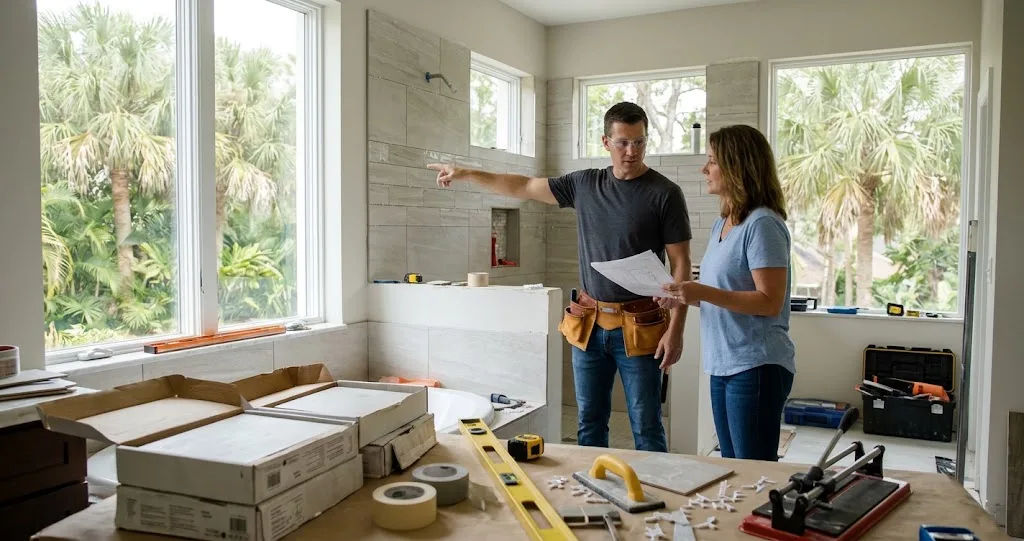 Whether you are renovating a small guest bathroom or updating a spacious master bathroom, bathroom tile Jacksonville FL can provide an attractive combination of style, durability, and moisture protection.
However, not every tile is suitable for every wall. Some tiles are designed specifically for floors, while others are manufactured for decorative wall applications. Understanding these differences is important before purchasing materials. Weight, thickness, water absorption, surface texture, and installation requirements can all affect the results.
The good news is that many porcelain, ceramic, natural stone, and glass tiles can be installed successfully on bathroom walls. With proper preparation and professional installation, wall tiles can improve the appearance of your bathroom while protecting surfaces from everyday moisture.
Can Bathroom Tiles Really Be Used on Walls?
Yes, bathroom tiles can absolutely be used on walls. In fact, wall tiling is a popular design choice because tiles are durable, easy to clean, and available in countless styles.
Many homeowners install tiles around bathtubs, inside showers, behind bathroom sinks, and across entire walls. These surfaces regularly encounter moisture, splashes, soap, and cleaning products. Tile provides a protective covering that helps keep the underlying wall material in good condition when installed as part of a properly waterproofed system.
However, choosing the right product is essential. Some tiles are too heavy for certain wall surfaces, while others may have finishes that are better suited to floors.
Before purchasing, check the manufacturer's recommendations to confirm that the tile is approved for wall installation.
Which Types of Bathroom Tiles Are Suitable for Walls?
Several tile materials work well on bathroom walls. Each offers different advantages in appearance, maintenance, durability, and cost.
Ceramic Tiles
Ceramic tiles are among the most popular options for bathroom walls. They are manufactured using clay materials that are shaped, glazed, and fired at high temperatures.
Their relatively lightweight construction makes many ceramic products suitable for vertical surfaces. They are also available in numerous colors, shapes, patterns, and finishes.
Ceramic tiles work particularly well around bathroom sinks, behind toilets, and in shower areas when the selected product is rated for the intended application.
Another advantage is affordability. Homeowners can achieve an attractive bathroom design without necessarily spending as much as they would on natural stone.
Glazed ceramic tiles also have a protective surface that makes everyday cleaning relatively simple.
Porcelain Tiles
Porcelain tiles are another excellent choice for bathroom walls. They are made from refined materials and fired at high temperatures, producing a dense and durable product.
Porcelain generally absorbs less water than ordinary ceramic tile. This characteristic makes it especially useful in bathrooms, where moisture exposure is unavoidable.
Large-format porcelain tiles can create a sophisticated appearance with fewer visible grout lines. They are available in designs that resemble marble, granite, concrete, and natural wood.
However, some porcelain products are heavier than standard ceramic tiles. Therefore, installers should confirm that the wall structure, bonding material, and installation system can safely support the selected product.
Natural Stone Tiles
Natural stone can bring an elegant and distinctive appearance to bathroom walls.
Popular choices include marble, travertine, limestone, and slate. Each piece has natural variations in color, texture, and pattern, creating a unique finish.
Marble is particularly popular for luxury bathroom designs. It can make shower walls and vanity backsplashes look sophisticated.
Nevertheless, natural stone generally requires more maintenance than ceramic or porcelain. Certain varieties are porous and need appropriate sealing to reduce staining and moisture penetration.
Homeowners should also consider the additional weight of stone before installing it on vertical surfaces.
Glass Tiles
Glass tiles are another attractive option for bathroom walls. Their reflective surfaces can help distribute light throughout a room, making smaller bathrooms feel brighter.
They are commonly used for decorative accents, shower features, and backsplashes.
Glass tiles are available in transparent, translucent, and opaque finishes. They can also introduce colorful details without overwhelming the overall design.
Because glass can show installation imperfections, proper surface preparation and the correct adhesive are especially important.
Are Floor Tiles and Wall Tiles Interchangeable?
Although some products can be used on both floors and walls, the two categories are not automatically interchangeable.
Floor tiles are generally designed to withstand foot traffic, furniture weight, and greater physical stress. Wall tiles are often lighter because they do not need to support people walking across them.
A floor-rated tile may be suitable for wall installation, provided its weight and manufacturer specifications allow it.
However, a wall-only tile should not automatically be installed on the floor. It may lack the necessary strength, wear resistance, or slip resistance.
When selecting bathroom tile Jacksonville FL, homeowners should check the product's intended application rather than assuming that every attractive tile works everywhere.
A qualified installer can help determine whether a particular product is appropriate for the desired location.
Benefits of Using Tiles on Bathroom Walls
Wall tiles offer several practical and visual benefits. They are not simply decorative materials; they can also improve the functionality of a bathroom.
1. Excellent Moisture Protection
Bathrooms experience regular exposure to water vapor, splashes, and humidity.
Tiles create a durable surface that helps protect walls from everyday moisture. Porcelain and glazed ceramic tiles are particularly useful because their surfaces resist water absorption.
However, tiles and grout are not a complete waterproofing system by themselves. Shower walls require an appropriate waterproof membrane or approved waterproofing assembly behind the tile.
Correct installation helps prevent moisture from reaching the wall structure.
2. Easy Cleaning and Maintenance
Bathroom walls can collect soap residue, toothpaste splashes, dust, and other everyday dirt.
Tile surfaces are generally easy to maintain. Most glazed ceramic and porcelain products can be cleaned using a soft cloth, water, and a suitable mild cleaning solution.
Unlike painted drywall, tiled surfaces do not usually require frequent repainting because of ordinary bathroom splashes.
Grout lines need additional attention, especially in wet areas. Regular cleaning and appropriate grout maintenance help preserve the appearance of the installation.
3. Long-Lasting Durability
Quality tiles can last for many years when properly selected and installed.
They resist ordinary bathroom wear and are less likely to become damaged by routine cleaning than many decorative wall coverings.
Porcelain is particularly useful for homeowners who want a dense, durable material.
However, tiles can crack if the underlying wall moves, the surface is poorly prepared, or the wrong installation materials are used.
4. Greater Design Flexibility
One of the biggest advantages of wall tiles is the number of design possibilities.
Homeowners can select subway tiles, geometric patterns, decorative mosaics, large-format slabs, or natural stone finishes.
Tiles can cover a small feature wall or extend from the floor to the ceiling.
This flexibility makes bathroom tile Jacksonville FL a useful design option for traditional, modern, coastal, and contemporary bathrooms.
5. Improved Visual Appeal
Wall tiles can become the main decorative feature of a bathroom.
A marble-look porcelain wall can create a luxurious appearance, while white subway tiles offer a clean and timeless style.
Textured tiles can add visual depth, and contrasting grout can highlight the layout.
Choosing a coordinated combination of colors and finishes helps create a bathroom that feels comfortable and visually balanced.
Where Can You Install Bathroom Tiles on Walls?
Bathroom tiles can be installed in several areas, depending on the material and the installation requirements.
Shower Walls
Shower walls are among the most common locations for bathroom tiles.
These surfaces receive frequent direct water exposure, so choosing suitable materials and installing a complete waterproofing system are essential.
Porcelain, ceramic, and properly prepared natural stone are popular choices.
Smaller tiles can work well for decorative shower features, while larger tiles create a more continuous appearance.
Bathtub Surrounds
Tiles around a bathtub protect surrounding wall surfaces from splashes and moisture.
Homeowners can use matching tiles to create a consistent appearance or select a contrasting design to make the bathtub area stand out.
The joints and transitions around the tub must be properly sealed according to the installation system.
Vanity Walls and Backsplashes
The wall behind a bathroom sink frequently encounters water, toothpaste, cosmetics, and cleaning products.
A tiled backsplash provides a practical surface that is easier to maintain than many painted finishes.
Decorative mosaics and glazed ceramic tiles can add personality without requiring extensive renovations.
Full Bathroom Walls
Some homeowners prefer to tile every bathroom wall rather than covering only wet areas.
This approach creates a cohesive appearance and can reduce the need for painted wall finishes.
However, full-wall tiling requires careful planning. Large installations may increase material and labor costs, so homeowners should consider their budgets before choosing this design.
How to Choose the Right Wall Tile
Selecting the right material involves more than finding a color or pattern that looks attractive.
Several practical considerations should guide your decision.
Consider the Size of Your Bathroom
Tile size can influence how spacious a bathroom appears.
Large-format tiles often create a clean appearance because they reduce the number of visible grout lines.
In smaller bathrooms, light-colored tiles can help reflect available light and create an open feeling.
Mosaic tiles can also work beautifully in compact spaces, especially when used as decorative accents.
Choose the Right Finish
Tile finishes influence both appearance and maintenance.
Glossy tiles reflect light and can make a room feel brighter. They are often used on bathroom walls because they are relatively easy to wipe clean.
Matte finishes provide a softer, more understated appearance.
Textured finishes can create visual interest, although heavily textured surfaces may require additional cleaning.
For bathroom walls, select a finish that matches the intended location and the manufacturer's recommendations.
Think About Color Coordination
The wall tiles should complement other bathroom elements, including flooring, countertops, cabinets, fixtures, and lighting.
Neutral shades such as white, gray, beige, and cream offer flexibility.
Darker tiles can create a dramatic appearance, particularly in larger bathrooms with sufficient lighting.
Using too many competing colors and patterns may make the space feel crowded.
Check Tile Weight and Thickness
Wall strength is an important consideration, especially when using large-format porcelain or natural stone.
The selected tile must be compatible with the wall substrate and approved installation system.
An installer should evaluate the surface before beginning work.
This step is particularly important when replacing old tiles or renovating walls that may have existing moisture damage.
What Is the Proper Way to Install Bathroom Wall Tiles?
Professional installation involves several steps. Each one contributes to the strength, appearance, and longevity of the finished surface.
Step 1: Inspect and Prepare the Wall
The wall must be stable, clean, and suitable for tile installation.
Loose paint, dust, damaged materials, and other contaminants should be removed.
Any existing leaks or moisture damage must be corrected before installation begins.
The installer should also check whether the wall is sufficiently flat to support the selected tiles.
Step 2: Install the Appropriate Waterproofing System
Wet areas require a suitable waterproofing assembly.
This may involve a waterproof membrane, approved backer board, and carefully sealed joints, depending on the chosen system.
Waterproofing should be completed according to the manufacturer's installation instructions.
It is especially important in showers because moisture can travel behind tiles through grout joints and other openings.
Step 3: Plan the Tile Layout
Before applying adhesive, the installer should determine the tile arrangement.
This includes measuring the wall, marking reference lines, planning corners, and positioning decorative elements.
Good planning helps avoid narrow tile pieces around edges and creates a balanced appearance.
Step 4: Apply Suitable Tile Adhesive
The correct adhesive depends on the tile material, wall surface, and installation location.
Large-format porcelain and natural stone may require specialized bonding products.
The adhesive should be applied according to manufacturer instructions to achieve appropriate coverage and support.
Step 5: Position and Level the Tiles
Tiles are carefully placed along the planned reference lines.
Spacers help maintain consistent joints, while leveling systems may help reduce uneven edges.
The installer should regularly check alignment throughout the process.
Step 6: Grout and Seal Where Necessary
After the adhesive has cured, grout is applied to the joints.
Grout fills the spaces between tiles and helps create a finished appearance.
Some grout products require sealing, while others are designed to resist staining without additional treatment.
Changes of plane, such as inside corners and wall-to-tub transitions, generally require an appropriate flexible sealant rather than rigid grout.
Common Mistakes to Avoid When Tiling Bathroom Walls
Even high-quality materials can produce disappointing results if installation mistakes occur.
Here are some common problems homeowners should avoid.
Choosing floor tiles without checking wall suitability: Floor tiles can sometimes be installed on walls, but their weight and installation requirements must be evaluated.
Ignoring waterproofing: Tiles alone do not make shower walls waterproof. Skipping the waterproofing system can lead to hidden moisture damage.
Using the wrong adhesive: Different tile materials require compatible bonding products. Incorrect adhesive can weaken the installation.
Poor surface preparation: Uneven or unstable walls can cause tiles to become loose or crack.
Selecting unsuitable grout: Grout should be appropriate for the joint width, tile material, and bathroom environment.
Ignoring maintenance requirements: Natural stone may require sealing and specialized cleaning products. Homeowners should understand these responsibilities before purchasing.
Avoiding these mistakes helps protect the investment and improves the long-term performance of the bathroom.
How Much Does Bathroom Wall Tiling Cost?
The cost of bathroom wall tiling depends on several factors.
Material selection is one of the biggest considerations. Standard ceramic tiles are generally more affordable than premium porcelain, natural stone, and specialty glass products.
The total installation area also affects the budget. Tiling an entire bathroom requires more materials and labor than installing a small backsplash.
Other expenses may include:
-
Wall preparation and repairs.
-
Waterproofing materials.
-
Tile adhesive and grout.
-
Decorative borders and trim.
-
Labor and installation services.
-
Removal and disposal of existing materials.
-
Plumbing adjustments, when necessary.
Homeowners planning bathroom tile Jacksonville FL projects should request detailed estimates before purchasing materials.
Comparing estimates can help identify differences in labor, preparation, waterproofing, and material quality.
The cheapest quote is not necessarily the best option. A properly completed installation can prevent expensive repairs later.
How to Maintain Bathroom Wall Tiles
Regular maintenance helps preserve the appearance of tiled walls.
Fortunately, most ceramic and porcelain surfaces do not require complicated cleaning routines.
Use a soft cloth or nonabrasive sponge to remove ordinary dirt and soap residue.
Choose cleaning products recommended for the specific tile material. Avoid harsh chemicals that could damage grout, sealants, or natural stone.
Pay particular attention to grout joints. Clean them regularly and repair damaged areas when necessary.
If you notice loose tiles, persistent dampness, or discoloration, investigate the problem promptly.
These signs may indicate installation damage or moisture problems behind the tiled surface.
Natural stone surfaces may need periodic resealing, depending on the stone and the manufacturer's recommendations.
Should You Hire a Professional for Bathroom Wall Tiling?
Although experienced homeowners may complete simple tiling projects themselves, professional installation is often worthwhile.
A professional installer understands how to prepare wall surfaces, select appropriate adhesives, install waterproofing systems, and position tiles accurately.
This knowledge becomes especially important when working with large-format porcelain, heavy stone, glass tiles, or complicated shower designs.
Professionals can also identify potential problems before installation begins.
For homeowners investing in bathroom tile Jacksonville FL, hiring a qualified contractor can help reduce installation errors and protect the overall renovation budget.
Before hiring someone, ask about previous bathroom projects, installation experience, insurance, warranties, and the materials included in the estimate.
Requesting photographs of completed work can also help you evaluate the quality of the contractor's craftsmanship.
Conclusion
Bathroom tiles can absolutely be used on walls, and they offer an excellent combination of beauty, durability, and practical performance. Ceramic, porcelain, natural stone, and glass are all potential choices, provided the selected product is suitable for the intended location.
The best material depends on your bathroom design, moisture exposure, wall structure, budget, and maintenance preferences. Porcelain is an excellent option for homeowners who want a dense, moisture-resistant surface, while ceramic provides an affordable and versatile alternative. Natural stone creates a distinctive appearance, and glass tiles can introduce attractive reflective details.
Successful installation is just as important as choosing quality materials. Proper wall preparation, suitable adhesives, appropriate waterproofing, accurate tile placement, and correct grouting all contribute to a durable result.
Homeowners should also remember that waterproofing is essential in shower areas. Even highly water-resistant tiles cannot replace a properly installed waterproofing system.
When planning a renovation, bathroom tile Jacksonville FL can help transform ordinary bathroom walls into attractive, easy-to-maintain surfaces. Whether you prefer a simple backsplash, an elegant shower surround, or full-height tiled walls, selecting the right materials and working with an experienced installer can make a significant difference.
Ultimately, wall tiling is a practical investment when it is planned carefully. By considering material suitability, design, installation quality, and ongoing maintenance, you can create a bathroom that looks beautiful and performs well for many years.