

Food preferences are different for everyone. Some people enjoy spicy meals, while others prefer mild flavors. Some customers avoid certain ingredients, and others want to add extra toppings or choose a different combination of sauces. When dining at a restaurant, having the flexibility to adjust a meal can make the experience more enjoyable. This is why many people want to know whether restaurant dishes can be prepared according to their preferences.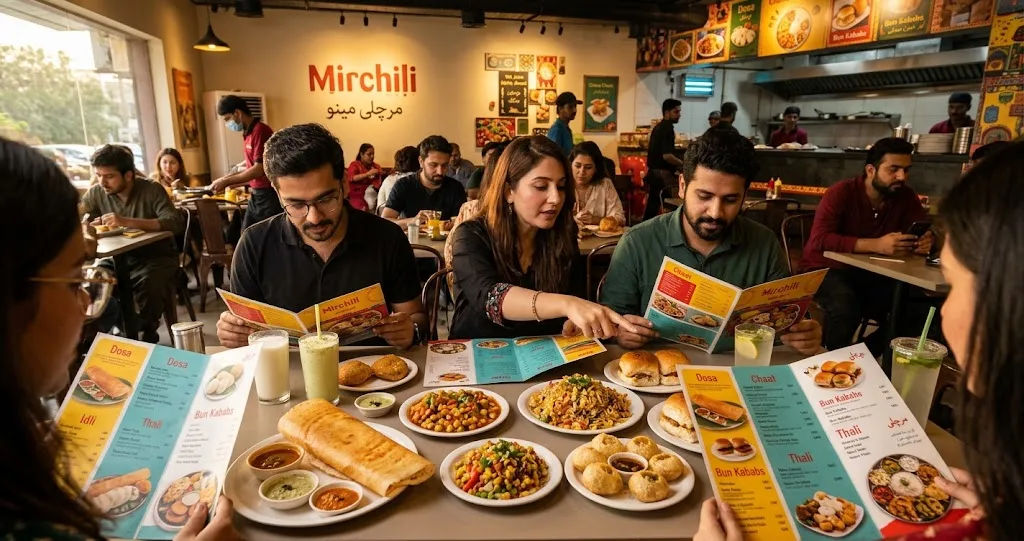
The Mirchili menu offers a starting point for exploring flavorful dishes, snacks, and meal options, but customers may wonder whether they can request changes before placing an order. Customization can include adjusting spice levels, requesting sauces separately, avoiding specific ingredients, or choosing suitable alternatives when available. Understanding how these requests work can help diners communicate their preferences clearly and enjoy a meal that better matches their tastes.
Whether you are visiting with family, dining with friends, or ordering food for yourself, knowing what to ask can make ordering easier. Although the availability of particular changes depends on the restaurant's current menu, ingredients, and kitchen policies, a polite and specific request is often the best way to find out which options are possible.
Food Customization at Mirchili
Food customization means adjusting a dish to suit an individual customer's preferences. These changes may involve ingredients, seasoning, portion choices, sauces, or the way a meal is served.
Restaurants differ in how much flexibility they offer. Some prepare dishes individually and can accommodate several requests, while others follow fixed recipes to maintain consistent taste and quality.
When exploring the Mirchili menu, customers should distinguish between a simple request and a substantial change to a recipe. Asking for less chili may be easier than replacing a main ingredient or creating an entirely different dish.
The best approach is to ask the staff which adjustments are available for the specific item you want to order.
Why Customers Prefer Customized Meals
There are several reasons people request customized food. Taste is one of the most common. A customer who enjoys rich flavors may want extra seasoning, while someone who prefers subtle flavors may request less spice.
Dietary preferences also influence ordering decisions. Some diners avoid particular ingredients, including onions, garlic, dairy products, or certain sauces. Others may be vegetarian and need to confirm that a dish does not contain meat-based ingredients.
Families often have different preferences at the same table. Adults may enjoy spicy food, while children might prefer milder meals. Customization can help everyone choose something suitable without requiring the entire group to order the same type of food.
However, not every request can be guaranteed. Ingredient availability, preparation methods, and food safety requirements can limit the changes a restaurant can make.
Can You Request a Different Spice Level?
Spice level is one of the most common customization questions at restaurants serving South Asian and other strongly flavored cuisines.
Some customers love the heat created by fresh chilies, chili powder, and spicy sauces. Others prefer to enjoy the natural flavors of the ingredients without too much heat.
If you are considering a dish from the Mirchili menu, ask whether the kitchen can prepare it mild, medium, or extra spicy. These descriptions provide a useful starting point, although restaurants may interpret them differently.
Choosing Mild, Medium, or Spicy Food
A mild dish generally contains less chili heat. It may still include aromatic spices such as cumin, coriander, turmeric, or black pepper, depending on the recipe.
Medium spice provides a balance between seasoning and heat. This level may suit diners who enjoy a little warmth without an intense burning sensation.
Extra-spicy dishes are intended for people who enjoy a stronger chili flavor. However, increasing the heat may change the overall balance of a recipe, so it is worth asking which spice adjustments are available.
Instead of saying that you want a dish to be less spicy, you can explain your preference more clearly. For example, you might say, "Please make this mild, with very little chili."
This gives the staff a practical instruction to communicate to the kitchen.
Can Spice Be Reduced After Cooking?
Reducing spice before preparation is often easier than correcting an already prepared dish.
Once chili has been mixed into a curry, sauce, marinade, or other preparation, removing it completely may not be possible. Adding extra ingredients to reduce the heat could also change the flavor and texture.
For this reason, tell the staff about your spice preference before the order is prepared.
If you are particularly sensitive to chili, ask whether the dish can be made without added chili rather than assuming that a mild version contains none.
Can You Ask for Ingredients to Be Removed?
Ingredient removal is another common customization request. Customers may dislike a particular ingredient, prefer a simpler dish, or need to avoid something for dietary reasons.
Depending on the dish and the restaurant's preparation process, staff may be able to leave out selected ingredients.
For example, a customer might ask for onions to be omitted from a dish or request that fresh herbs not be added as a garnish. These changes may be relatively straightforward when the ingredients are added separately.
However, some ingredients are incorporated during cooking. If onions, garlic, spices, or sauces form the base of a recipe, removing them from the finished dish may not be practical.
Ask Before Ordering
When reviewing the Mirchili menu, identify any ingredients you would prefer to avoid before placing your order.
Ask the staff whether the ingredient is mixed into the main preparation or added separately. This distinction helps you understand whether a change is possible.
For example, removing a topping may be easier than changing a sauce that has already been blended into a dish.
Customers should also remember that ingredient removal does not necessarily reduce the price. Pricing policies vary, and a restaurant may charge the same amount even when an ingredient is omitted.
What About Allergies?
Food allergies require more careful communication than ordinary taste preferences.
If you have an allergy to nuts, dairy, eggs, wheat, seafood, or another ingredient, tell the staff clearly before ordering. Ask whether the dish contains the allergen and whether cross-contact with other ingredients can be avoided.
Cross-contact can happen when the same utensils, cooking surfaces, equipment, or preparation areas are used for different foods.
Do not assume that removing a visible ingredient makes a dish safe for someone with an allergy. If the restaurant cannot confirm that it can accommodate the allergy safely, choose another option.
Can You Request Extra Sauces or Toppings?
Sauces and toppings can make a noticeable difference to a meal. They add moisture, texture, acidity, sweetness, and heat, allowing customers to adjust the flavor of their food.
Some restaurants offer sauces as part of a standard serving, while others provide them separately or charge for additional portions.
When ordering from the Mirchili menu, ask which sauces accompany your selected dish and whether extra portions are available.
Requesting Sauce on the Side
Getting sauce separately can be helpful for several reasons.
First, it allows you to control how much sauce you use. You can start with a small amount and add more according to your preference.
Second, separate sauce can help maintain the original texture of certain foods. Items that are meant to remain crisp may become soft if covered in sauce too early.
Third, separate serving makes sharing easier. Different people can enjoy the same dish while adjusting the flavor to their liking.
A simple request such as "Could you please serve the sauce on the side?" communicates the preference clearly.
Adding Extra Toppings
Some dishes can be enhanced with additional toppings, herbs, vegetables, or condiments. However, the options depend on the ingredients the kitchen has available and whether those additions suit the recipe.
Before requesting extra toppings, ask which additions are possible and whether there will be an additional charge.
It is also useful to be specific. Rather than asking for extra flavor, explain whether you want more sauce, additional herbs, or a particular topping.
Clear requests help the staff understand exactly what you expect.
Can Vegetarian Customers Customize Their Orders?
Vegetarian diners may need to make adjustments to ensure that their meals match their dietary preferences.
Some dishes may naturally contain vegetables, lentils, rice, bread, or other plant-based ingredients. Others may include meat, fish, dairy, eggs, or sauces that require closer inspection.
The Mirchili menu should be reviewed item by item rather than assuming that every dish can be made vegetarian through a simple substitution.
Confirming Vegetarian Ingredients
If you do not eat meat or fish, ask whether the selected dish contains any animal-based ingredients.
Pay attention to stocks, broths, sauces, and cooking fats, as these ingredients may not be obvious from the dish's name.
If you eat dairy products and eggs, explain whether your preference is vegetarian rather than vegan. This distinction helps staff identify suitable options more accurately.
Requesting Vegetarian Substitutions
In some restaurants, a meat ingredient may be removable, but that does not automatically mean the remaining dish is vegetarian.
For example, a sauce or cooking base may still contain meat-derived ingredients. Shared cooking equipment can also be a concern for diners who require separate preparation.
Ask whether the kitchen can prepare the dish using suitable ingredients and equipment. If no suitable substitution is available, choosing an existing vegetarian dish is usually the simpler option.
Is Customization Available for Children?
Children often have different tastes from adults. They may prefer simpler flavors, smaller portions, and food without strong chili heat.
Families can make ordering easier by explaining these preferences before the kitchen begins preparing the meal.
When looking at the Mirchili menu, ask whether a selected dish can be served with less chili or with certain toppings omitted. You can also ask whether smaller portions are available.
Making Meals More Comfortable for Children
For younger diners, mild seasoning may be preferable to strong heat. However, a mild dish can still contain spices, so parents should check the ingredients if their child has a sensitivity.
Some children prefer sauces separately because they enjoy dipping food rather than having it mixed together.
Others may prefer familiar ingredients and simple combinations. If a dish cannot be changed sufficiently, choosing another suitable menu item may be a better solution.
Parents should also consider serving temperature. Food that is freshly prepared can be very hot, so allow it to cool appropriately before children begin eating.
Ordering for the Whole Family
When several people are dining together, individual requests can become confusing if they are not communicated clearly.
Tell the staff which dish should be mild, which one needs a particular ingredient omitted, and whether any sauce should be served separately.
If you are ordering several portions of the same dish, clarify whether the customization applies to every portion or only one.
This small step can prevent mistakes and make the dining experience more comfortable for everyone.
Can Portion Sizes Be Customized?
Portion size is another aspect of dining that customers may want to adjust.
Some people prefer a smaller serving because they want to sample several dishes. Others may want a larger portion or additional side dishes to make a meal more filling.
Whether these options are available depends on the restaurant's serving standards.
Smaller Portions and Sharing
If you have a smaller appetite, ask whether the restaurant offers half portions or smaller servings. Not every dish can be divided into a smaller portion, especially if it is prepared in fixed quantities.
Sharing can also be an option when the restaurant permits it. However, some items are better suited to individual servings because of their presentation or preparation method.
If you want to share several dishes, ask the staff which items are suitable for serving at the center of the table.
Extra Servings and Side Dishes
Customers who want a larger meal can ask about additional portions, side dishes, or other available accompaniments.
It is worth confirming the cost before ordering, since an extra portion may be charged separately.
If you are unfamiliar with the restaurant's serving sizes, asking the staff for guidance can help you order an appropriate amount and avoid unnecessary food waste.
Can You Customize Takeaway and Delivery Orders?
Customization is not limited to dining inside a restaurant. Customers ordering takeaway or delivery may also have preferences about spice, sauces, toppings, and ingredients.
However, online ordering systems do not always provide space for every request.
If the ordering platform includes customization options, select the appropriate choices carefully. If there is a special instruction box, write your request in simple and direct language.
Writing Clear Special Instructions
A useful instruction identifies the dish and the exact change requested.
For example:
-
"Please prepare this dish with mild spice."
-
"Please pack the sauce separately."
-
"Please leave out the fresh onion topping."
-
"Please confirm whether this dish contains peanuts."
Avoid combining too many unrelated requests into a vague message. Separate instructions are easier for the kitchen to follow.
If the request concerns a serious food allergy, contact the restaurant directly when possible rather than relying only on an online note.
Check the Order Before Confirming
Before completing an online order, review the selected dishes, quantities, and customization instructions.
If an essential change is not available through the platform, contact the restaurant to ask whether it can be accommodated.
Remember that submitting a special request does not guarantee that it will be accepted. If a particular adjustment is essential, seek confirmation before relying on it.
Does Customization Affect Taste and Quality?
Customization can improve a meal when it aligns with the recipe and the customer's preferences. However, changing ingredients may also affect the balance of flavors.
For example, removing a sauce may make a dish less rich, while reducing chili may make certain spices more noticeable. Adding extra toppings may change the texture or overall flavor.
This does not mean customization is a bad idea. It simply means that some dishes are designed around a particular combination of ingredients.
Understanding the Role of Ingredients
Every ingredient contributes something to a recipe. Salt enhances flavor, acidity adds brightness, fats contribute richness, and herbs can provide freshness.
When several ingredients are removed, the result may taste different from the standard version.
If you are unsure what to change, ask the staff for advice. They may be able to suggest an alternative dish that already matches your preferences.
Avoiding Too Many Changes
A few well-chosen adjustments are usually easier to communicate than a long list of alterations.
For example, requesting mild spice and sauce on the side may be more practical than asking the kitchen to replace several ingredients and change the entire preparation method.
Keeping requests reasonable can also help the kitchen maintain consistency and prepare your order efficiently.
How to Ask for Customization Politely
Clear and respectful communication makes the ordering process easier for both customers and restaurant staff.
Begin by identifying the dish you want. Then explain the adjustment in a short sentence.
For example, you could say, "I would like this dish, but could you please make it less spicy if possible?"
If you need an ingredient removed, explain which ingredient you mean. If you want a sauce separately, mention that specifically.
Ask Questions Before Placing the Order
The best time to discuss customization is before your order is confirmed.
This gives staff an opportunity to check the recipe, discuss the request with the kitchen, and explain any limitations.
You should also ask about additional charges if you want extra toppings, sauces, or larger portions.
If the staff explains that a particular change is not possible, consider selecting another dish instead of insisting on an adjustment that the kitchen cannot safely or consistently provide.
Be Specific About Essential Requirements
Taste preferences and dietary restrictions are not the same.
A request for less chili is generally about comfort and flavor. A request related to an allergy or strict dietary requirement may affect whether a dish is suitable to eat at all.
Make this distinction clear when speaking to staff.
For example, saying "I dislike peanuts" communicates a preference, while saying "I have a peanut allergy" signals a potentially serious safety concern that requires careful attention.
Common Mistakes to Avoid When Customizing Food
Even simple customization requests can cause confusion when important details are missing.
One common mistake is assuming that a restaurant can remove every ingredient after cooking. Some ingredients are blended into sauces or incorporated into a dish's base, making removal impractical.
Another mistake is assuming that a dish becomes vegetarian when the meat is removed. The remaining ingredients and cooking methods must also be suitable.
Customers may also assume that every requested change is free. Extra ingredients, special preparation, and additional portions can affect the price.
Finally, do not assume that an online instruction has been accepted simply because it appears in the order notes. Confirmation is important when the change is essential.
By understanding these limitations, customers can make realistic requests and choose dishes that better suit their needs.
Conclusion
Items on the Mirchili menu may offer opportunities for customization, but the exact options depend on the individual dish, available ingredients, kitchen procedures, and restaurant policies. Customers should ask the staff before ordering rather than assuming that every requested change will be possible.
Common requests include reducing spice, leaving out certain toppings, serving sauces separately, and asking about portion sizes or additional ingredients. Vegetarian diners and families with children may also benefit from discussing their needs before placing an order.
The most effective approach is to communicate clearly, politely, and early. Identify the dish you want, explain the change you prefer, and ask whether the kitchen can accommodate it. For allergies and strict dietary requirements, request clear information about ingredients and preparation practices rather than relying on the removal of a visible ingredient.
Ultimately, the Mirchili menu can serve as a starting point for finding food that suits different tastes and preferences. By checking available options, understanding preparation limitations, and making specific requests, diners can make better-informed choices and enjoy a more comfortable restaurant experience.