

Physical movement plays an important role in everyday life, exercise, sports, and overall fitness. Whether you are running, lifting weights, stretching, or practicing yoga, your body needs to move comfortably and freely. The clothes you wear during these activities can influence how easily you perform different movements. This is why choosing the right workout clothing matters more than many people realize.
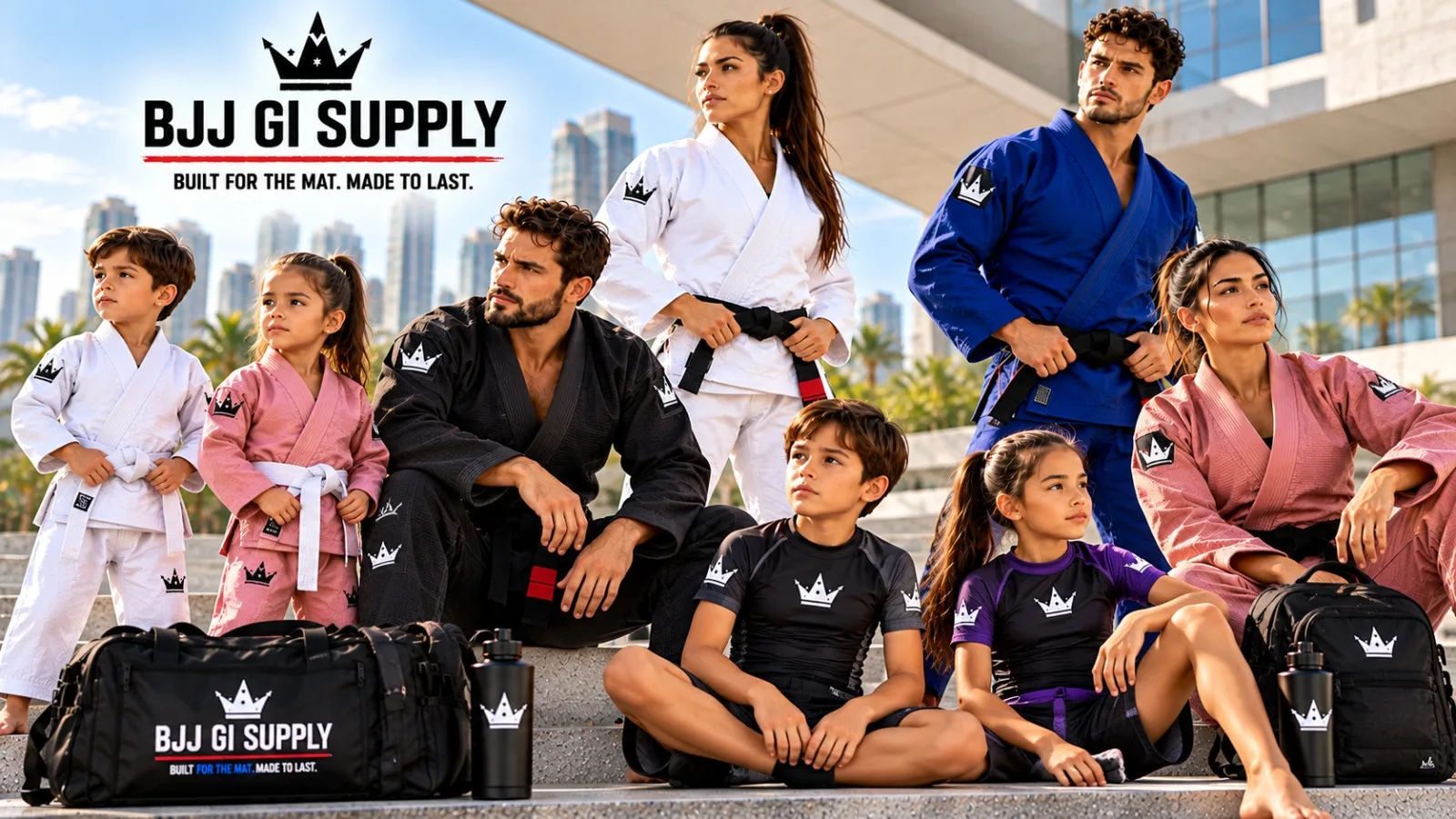
Sports Wears are designed to support physical activity by combining comfort, flexibility, breathability, and practical construction. Unlike ordinary clothing, many athletic garments use stretchable fabrics and specialized designs that allow the body to move with fewer restrictions. The right outfit can make exercises feel more comfortable and help you focus on your technique.
However, it is important to understand that clothing does not automatically increase your body's natural flexibility. Instead, suitable sportswear can reduce unnecessary restrictions, support comfortable movement, and help you perform exercises through your available range of motion. Factors such as fabric quality, garment fit, exercise type, and individual mobility all influence the final result.
Range of Motion
Sports Wears pakistan bjj gi manufacturer refers to the distance and direction a joint can move comfortably. It describes how far you can bend, extend, rotate, or move a body part during a particular activity.
For example, raising your arms above your head, bending your knees during a squat, and extending your legs while running all involve different ranges of motion.
Your range of motion depends on several factors, including joint structure, muscle flexibility, tendon properties, strength, age, previous injuries, and physical activity levels.
Clothing can influence how freely you perform these movements, but it does not change the underlying structure of your joints.
Why Range of Motion Matters
A comfortable range of motion is important for performing exercises correctly and completing everyday tasks.
Athletes need adequate joint movement to run efficiently, change direction, jump, throw, and maintain balance. People who exercise for general fitness also benefit from being able to move without unnecessary restrictions.
When clothing pulls tightly across the shoulders, hips, knees, or elbows, it may interfere with certain movements. This can make exercises uncomfortable and encourage changes in body position.
Suitable athletic clothing helps minimize these external restrictions so you can move more naturally.
Flexibility and Range of Motion Are Different
Flexibility generally describes how well muscles and surrounding tissues can lengthen. Range of motion describes the movement available at a joint.
Although these concepts are related, they are not identical.
For instance, wearing stretchable leggings may allow you to perform a deep squat without your clothing pulling against your knees. However, the leggings do not automatically improve the flexibility of your hip muscles.
Actual improvements in mobility usually require appropriate physical activity, stretching when suitable, strength training, and consistent practice.
How Sportswear Can Support Better Movement
The primary benefit of suitable workout clothing is that it allows your body to move without unnecessary resistance from fabric, seams, or tight garment construction.
Different sports require different movement patterns. Running involves repeated leg movement, weightlifting requires controlled joint positioning, and yoga involves bending, twisting, and stretching.
Clothing designed for these activities can help accommodate their specific demands.
Stretchable Fabrics Allow Greater Freedom
Stretch is one of the most important features of performance clothing.
Materials such as elastane, often blended with polyester or nylon, can stretch as the body moves and recover their shape afterward.
This flexibility is useful during exercises that involve deep knee bends, hip rotation, overhead reaches, and full-body stretching.
For example, stretchable leggings can accommodate knee and hip movement during squats. A flexible athletic shirt can allow your shoulders to move comfortably during overhead presses.
The key is to choose a garment that stretches in the directions required by your activity.
A fabric that stretches well in one direction may still restrict movement in another. Therefore, both material quality and garment design matter.
Proper Fit Reduces Movement Restrictions
Fit is another important factor in choosing sportswear.
Clothing that is too tight may pull across the joints, restrict comfortable breathing, or limit movement when you bend and stretch. Clothing that is too loose may bunch up, slide around, or interfere with certain exercises.
The ideal fit provides enough room for movement while keeping the garment secure.
For example, a properly fitted training shirt should allow you to raise your arms without pulling excessively across your shoulders. Workout trousers should let you bend your knees and hips without uncomfortable tension.
A good fit should feel supportive rather than restrictive.
Ergonomic Design Supports Natural Movement
Some athletic garments include design features intended to accommodate specific movements.
These may include strategically placed seams, gussets, articulated knees, raglan sleeves, and flexible waistbands.
A gusset is an additional piece of fabric inserted into an area that experiences substantial movement, such as the crotch of athletic trousers. It can reduce tension and help the garment accommodate lunges, squats, and wide steps.
Raglan sleeves extend toward the neckline rather than using a conventional shoulder seam. Depending on the construction, this design can provide comfortable shoulder movement.
These details may seem small, but they can make a noticeable difference when clothing is worn during repeated or demanding movements.
The Role of Fabric in Improving Comfort and Mobility
Fabric selection affects how sportswear stretches, feels against the skin, manages sweat, and responds to repeated movement.
Choosing an appropriate material can help you stay comfortable throughout a workout, which may make it easier to maintain proper exercise technique.
Polyester and Elastane Blends
Polyester is commonly used in athletic clothing because it is relatively lightweight, durable, and quick-drying.
When combined with elastane, it can provide both moisture management and stretch.
These blends are useful for activities such as running, cycling, gym workouts, and circuit training.
They can help garments move with the body while maintaining their shape after repeated use.
However, not every polyester garment has the same performance characteristics. Fabric construction, thickness, and the percentage of stretch fibers can influence its flexibility.
Nylon and Stretch Fibers
Nylon is another popular material for leggings, fitted tops, and other athletic garments.
It is valued for its smooth feel, durability, and ability to form flexible fabrics when blended with elastane.
Nylon-based stretch garments can be useful for yoga, Pilates, dance, and strength training because they often accommodate bending and stretching comfortably.
The most suitable fabric depends on the activity, your preferred fit, and the conditions in which you exercise.
Cotton and Cotton Blends
Cotton is soft, breathable, and comfortable for many everyday activities.
However, pure cotton tends to absorb and retain more moisture than many synthetic performance fabrics. When it becomes wet, it can feel heavy and may cling to the body.
This does not mean cotton is unsuitable for all workouts. It can work well for light exercise, short sessions, and activities where moisture management is less important.
Cotton blended with stretch fibers may provide a useful balance of softness and flexibility.
The best choice depends on the intensity of your workout and how much freedom of movement you need.
How Sportswear Affects Different Types of Exercise
Different activities place different demands on the body. Choosing clothing designed for your particular workout can help you move comfortably and confidently.
Weightlifting and Strength Training
Strength training often involves movements that require considerable joint mobility, including squats, lunges, deadlifts, and overhead presses.
Clothing that restricts the hips, knees, ankles, or shoulders can make these exercises less comfortable.
Stretchable trousers and shirts with suitable shoulder construction can help accommodate the movements involved.
For example, during a squat, your hips and knees bend while your ankles allow your body to move into position. Flexible trousers can reduce fabric tension around the thighs and knees.
However, suitable clothing does not replace proper technique. If you cannot complete a movement comfortably, you may need to assess your mobility, exercise setup, load, or technique rather than assuming that different clothing will solve the problem.
Running and Athletic Training
Running requires repeated movement of the hips, knees, and ankles, along with coordinated arm swings.
Lightweight running shorts, flexible leggings, and shirts designed for athletic movement can help reduce unnecessary pulling and friction.
Moisture-managing fabrics may also help keep clothing from becoming uncomfortably wet during longer sessions.
For sprinting and other fast activities, garments should remain secure without restricting the natural movement of your legs.
The aim is not to force a greater range of motion but to allow your existing movement to occur comfortably and consistently.
Yoga and Pilates
Yoga and Pilates include positions that require bending, twisting, balancing, and controlled stretching.
Stretchable leggings and fitted tops are often useful because they can accommodate different positions without shifting excessively.
Comfortable clothing can also make it easier to notice your body's position during a stretch or balance exercise.
For example, leggings that move easily with your hips and knees can be more comfortable during a deep lunge or seated twist.
Clothing should never force you into a deeper position. Move within a comfortable range and avoid pushing through sharp pain.
Cycling and Outdoor Sports
Cycling involves repeated hip and knee movement, often in a relatively fixed position. Cycling shorts and fitted athletic clothing can reduce bunching and friction while accommodating repeated leg motion.
Other outdoor activities, including tennis, football, and badminton, require quick changes in direction, reaching, jumping, and rotational movement.
In these situations, suitable sportswear should combine flexibility with a secure fit.
For example, a tennis shirt should allow unrestricted arm movement during serves, while football shorts should accommodate running and kicking.
The best design depends on the sport's movement patterns rather than appearance alone.
Can Compression Sportswear Improve Range of Motion?
Compression garments fit closely against the body and apply varying levels of pressure to the covered areas.
They are often used for running, weight training, cycling, and other athletic activities.
However, compression clothing should not be confused with ordinary stretchable sportswear.
Understanding Compression Clothing
Compression garments are designed to provide a close fit. Some athletes find that they feel supportive and comfortable during exercise.
Depending on the garment, they may help reduce fabric movement and provide a consistent feeling of support.
However, compression clothing does not reliably increase joint range of motion simply because it applies pressure to the muscles.
If a compression garment is too tight, it may instead cause discomfort or restrict movement.
Choose a size that allows you to bend, stretch, and breathe normally. Stop wearing a garment if it causes numbness, tingling, pain, or unusual changes in skin color.
Does Compression Improve Performance?
Research on compression garments has produced mixed findings across different performance outcomes.
Some studies suggest possible benefits for perceived muscle soreness or recovery in certain circumstances, while other findings show little meaningful improvement.
These potential effects should not be treated as proof that compression garments improve flexibility or joint mobility.
For most people, the most important factors are appropriate fit, suitable exercise, recovery, and consistent training.
How to Choose Sportswear for Better Mobility
Choosing the right clothing requires more than selecting a fashionable design. Consider the movements you perform, the fabric's flexibility, and the way the garment fits your body.
Check the Stretch and Recovery
Gently stretch the fabric in the directions in which your body needs to move.
A good performance garment should accommodate movement without feeling excessively tight or losing its shape quickly.
If possible, try a few movements before purchasing or using the garment. Bend your knees, raise your arms, and rotate your torso.
Pay attention to pulling, pinching, or pressure around the joints.
Look for Breathability and Moisture Management
Breathable materials can help manage heat and moisture during exercise.
When clothing becomes excessively wet or uncomfortable, it may distract you from your workout.
Moisture-managing fabrics can be especially useful during running, high-intensity training, and outdoor sports.
Breathability does not directly increase joint mobility, but it can improve comfort and help you maintain your preferred exercise routine.
Choose Activity-Specific Designs
Different workouts benefit from different clothing features.
For yoga, prioritize multidirectional stretch and a secure waistband. For running, choose lightweight garments that reduce chafing. For weightlifting, look for clothing that accommodates deep bends and overhead movements.
For team sports, consider whether the garment allows rapid changes of direction without slipping or bunching.
Matching the clothing to the activity helps you avoid unnecessary distractions.
Avoid Buying Based on Appearance Alone
An attractive design does not guarantee good performance.
Two garments may look similar but differ considerably in stretch, durability, breathability, and construction.
Read product descriptions and examine the material composition. When possible, try the garment on and test a few movements relevant to your sport.
Comfort and function should guide your choice more than branding or appearance.
Other Factors That Improve Range of Motion
Although suitable clothing can reduce external restrictions, it is only one part of the picture.
Your body's actual mobility depends on several physical and lifestyle factors.
Regular Mobility and Flexibility Exercises
Gentle mobility exercises help you practice moving your joints through comfortable ranges.
Dynamic movements, such as controlled arm circles and leg swings, can be useful before many workouts. Appropriate stretching may also help improve flexibility over time.
The type of exercise should match your needs and activity level.
Strength and Movement Control
Strength training can improve your ability to control movement throughout an available range of motion.
For example, strengthening the muscles around the hips and knees may help you perform squats with better control.
However, strength exercises should be performed with appropriate technique and a suitable level of resistance.
If you have pain, a recent injury, or persistent movement limitations, seek guidance from a qualified healthcare professional or physiotherapist.
Recovery and Consistency
Progress in mobility generally takes time. Consistent exercise, adequate recovery, and gradual increases in activity are more important than relying on specialized clothing.
Avoid forcing joints into uncomfortable positions or treating pain as a sign that a stretch is working.
Comfortable sportswear can support your routine, but lasting improvements come primarily from appropriate training and addressing the factors limiting your movement.
Common Mistakes to Avoid
Several common mistakes can reduce the benefits of choosing suitable athletic clothing.
-
Wearing clothing that is too tight: Excessive pressure can restrict movement and cause discomfort.
-
Choosing the wrong material: A garment may look attractive but lack the stretch needed for your sport.
-
Ignoring the seams and waistband: Poor construction can cause pulling during bending, twisting, or stretching.
-
Assuming compression improves mobility: A close fit does not automatically increase flexibility.
-
Expecting clothing to correct physical limitations: Sportswear cannot replace appropriate training or professional assessment when necessary.
-
Ignoring comfort during exercise: Persistent rubbing, pinching, or pressure may indicate that a garment is unsuitable.
Avoiding these mistakes helps you choose clothing that supports movement rather than interfering with it.
Conclusion
Sportswear can help you move more comfortably by reducing unnecessary restrictions caused by tight fabrics, poor fit, and unsuitable garment construction. Stretchable materials, ergonomic designs, and activity-specific features can make a meaningful difference when performing exercises that involve bending, reaching, twisting, running, or squatting.
The benefits depend on choosing clothing that matches your body and the demands of your activity. Flexible leggings may help during yoga and strength training, while lightweight running clothes can accommodate repeated leg movement and improve comfort during longer sessions.
However, it is important to recognize the difference between allowing movement and increasing your body's actual range of motion. Clothing does not automatically make muscles more flexible or joints more mobile. Lasting improvements generally depend on suitable exercise, strength, mobility training, recovery, and consistent practice.
When selecting Sports Wears, focus on flexibility, fit, breathability, durability, and comfort rather than appearance alone. Test how the garment feels during the movements you perform most often, and avoid clothing that causes pain or excessive pressure.
Ultimately, the right sportswear can support a more comfortable and effective workout by allowing your body to move naturally. Combined with appropriate training and good movement habits, it can help you focus on your performance and make physical activity more enjoyable.