

Packaging plays an important role in protecting products, improving presentation, and creating a memorable customer experience. Businesses often need packaging that fits their products perfectly rather than relying on standard sizes. Custom-sized packaging can help reduce wasted space, improve product protection, and create a professional appearance. Whether a company sells cosmetics, beverages, wellness products, or specialty goods, the right packaging dimensions can make a meaningful difference. 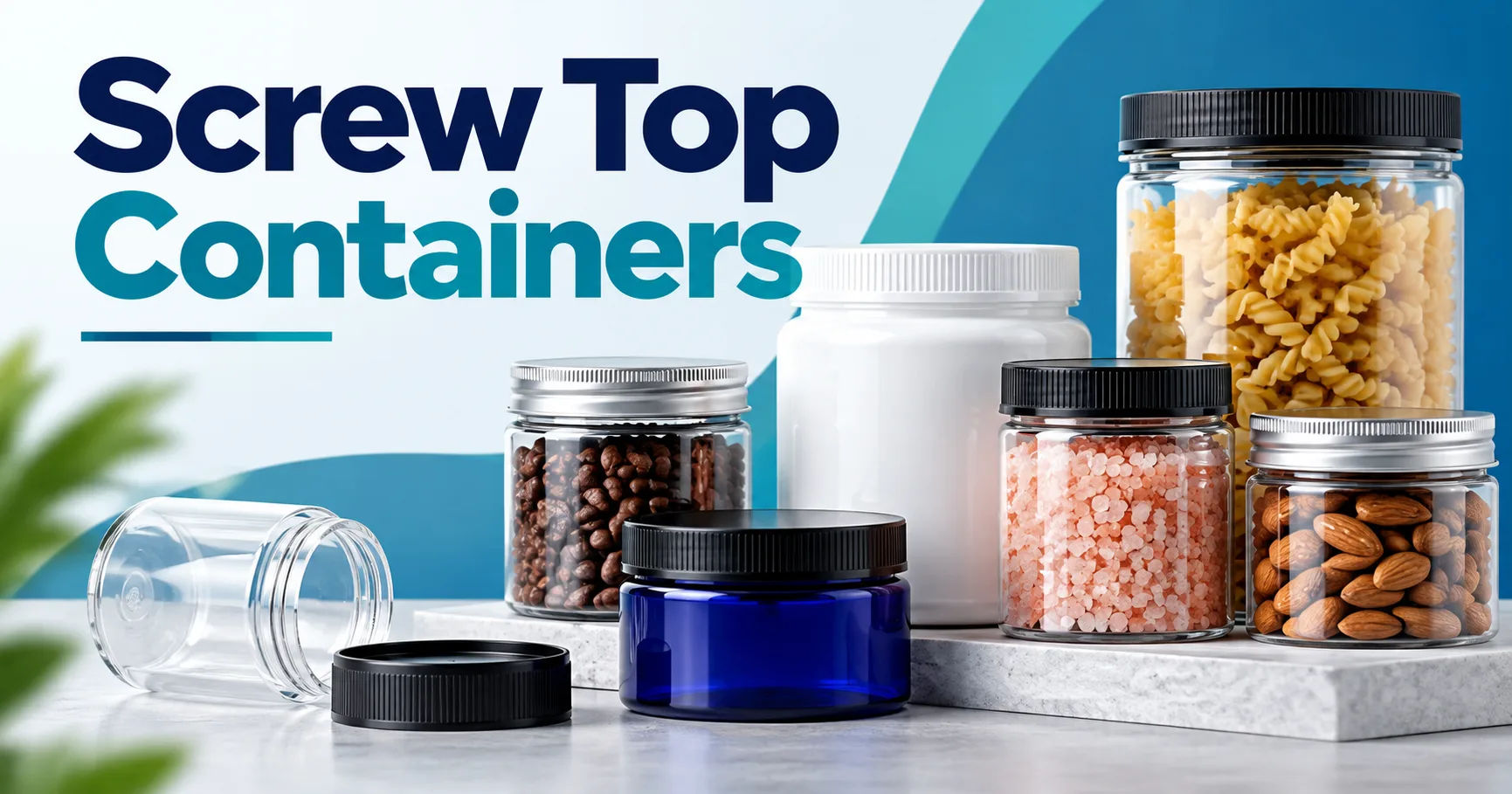 When businesses explore the possibilities of a Unicorn Bottle, one of the first questions they may ask is whether the packaging can be manufactured in custom sizes. The answer depends on the bottle design, materials, manufacturing process, production quantity, and supplier capabilities. Custom sizing may involve adjusting the height, width, capacity, shape, or other dimensions to match a specific product and brand identity.
Understanding how customization works can help businesses make informed decisions before placing an order. From choosing the appropriate dimensions to evaluating production costs, there are several important factors to consider when planning packaging that meets unique requirements.
Custom-Sized Unicorn Packaging
Custom-sized packaging refers to containers designed or selected to meet a business's specific dimensional requirements. Instead of choosing a standard bottle, a company may request a different capacity, height, diameter, or overall shape.
This approach allows businesses to align their packaging with the product inside. A smaller container may work better for samples or travel-size products, while a larger option may suit products intended for regular household or commercial use.
The term Unicorn packaging may refer to a particular bottle style, product line, or branded packaging design. Because suppliers can offer different specifications, it is important to confirm the exact product range and customization options available before making a decision.
Why Size Matters in Packaging
The size of a container affects more than its appearance. It can influence how much product it holds, how easily customers handle it, how efficiently it can be transported, and how much storage space it requires.
For example, a bottle that is too large for its contents may create unnecessary packaging waste. A container that is too small may not provide enough capacity for the intended product.
Choosing suitable dimensions helps businesses balance appearance, functionality, protection, and cost.
Standard Sizes Versus Custom Sizes
Standard-sized packaging is generally manufactured according to established dimensions. These options can be convenient because they are often readily available and may require lower minimum order quantities.
Custom-sized packaging is designed around more specific requirements. Depending on the supplier, customization may involve selecting from existing molds, modifying a design, or developing a new mold.
Standard options are usually appropriate when a business needs packaging quickly or wants to minimize initial expenses. Custom options may be more useful when product compatibility, branding, or distinctive presentation is a priority.
Can a Unicorn Bottle Be Manufactured in Custom Sizes?
Yes, a Unicorn Bottle may be available in custom sizes, depending on the manufacturer's capabilities and the specific design involved. However, custom sizing is not automatically available for every bottle model.
Some suppliers offer several capacities and dimensions within an existing product range. Others provide more extensive customization, allowing businesses to request changes to the bottle's proportions or overall design.
Before proceeding, businesses should ask whether the supplier can accommodate their requested dimensions using existing production equipment or whether new tooling would be necessary.
Adjusting Bottle Capacity
Capacity is one of the most common packaging requirements. Businesses may need smaller containers for product samples, promotional kits, or travel purposes. Larger containers may be suitable for products used frequently or sold in bulk.
When selecting capacity, consider the amount of product that must fit inside the container. The stated capacity should not be confused with the bottle's total physical volume.
A bottle may need additional space above the liquid level for safe filling, product expansion, or other practical considerations. The appropriate allowance depends on the product and packaging design.
Changing Height and Diameter
Bottle height and diameter affect both appearance and usability. A taller, narrower design may create a sleek appearance, while a shorter, wider bottle may provide greater stability on shelves.
Businesses should consider where the bottle will be displayed, how customers will hold it, and whether it must fit inside an existing box or shipping package.
Even relatively small dimensional changes can affect labels, closures, filling equipment, and storage arrangements. For this reason, every adjustment should be evaluated as part of the complete packaging system.
Exploring Different Shapes
Some manufacturers may allow changes to the bottle's silhouette, shoulder design, base, or other external features.
However, changing the shape can be more complicated than adjusting capacity alone. It may require new molds, additional design work, or further testing to confirm that the bottle remains stable and functional.
Businesses should first determine whether a modified version of an existing design will meet their needs. This may be more economical than creating a completely new container.
What Factors Determine Custom Sizing Options?
Several factors influence whether a supplier can manufacture packaging in the requested dimensions. Understanding these considerations helps businesses set realistic expectations and avoid unnecessary expenses.
Material Selection
The packaging material plays a major role in determining what changes are practical.
Plastic bottles can be manufactured using processes such as injection molding, extrusion blow molding, or injection stretch blow molding, depending on the design and material. Each process has different requirements and limitations.
Glass containers are produced through glass-forming processes and may require specialized molds for custom shapes and dimensions.
The chosen material should also be suitable for the product being packaged. Chemical compatibility, temperature resistance, durability, and regulatory requirements may affect the final decision.
Manufacturing Equipment
A supplier's equipment determines the range of bottle sizes and shapes it can produce efficiently.
Some production lines can accommodate several bottle dimensions with relatively minor adjustments. Other designs may require specialized tooling or changes to filling, capping, labeling, and inspection equipment.
Before confirming an order, businesses should ask the manufacturer whether the requested dimensions are compatible with its existing machinery.
Minimum Order Quantities
Custom production may involve minimum order quantities, especially when new molds or dedicated manufacturing setups are required.
A supplier may be willing to produce a custom-sized bottle but require a larger order to make the project commercially practical.
Businesses with smaller budgets should ask about existing sizes, semi-custom options, and sample orders. These alternatives can help them test the market before committing to a large production run.
Product Compatibility
The packaging must be appropriate for the product it contains.
A container intended for water-based cosmetics may have different requirements from one designed for oils, cleaning products, or other chemical formulations. The material, closure, lining, and sealing method may all affect compatibility.
Custom dimensions should never be selected without considering the product's properties and storage conditions.
Benefits of Choosing Custom-Sized Packaging
Custom sizing offers several advantages when it is planned carefully. The value depends on the product, business model, customer expectations, and manufacturing costs.
Better Product Fit
One of the main benefits is the ability to choose dimensions that suit the intended contents.
A well-fitted container can reduce unnecessary empty space and create a more balanced appearance. It can also make it easier to determine appropriate filling quantities and package the product consistently.
For businesses selling products in multiple quantities, different bottle sizes may support a more flexible product range.
Improved Brand Presentation
Packaging contributes to how customers perceive a product. A bottle with suitable proportions can look more polished and complement the brand's visual identity.
For example, a premium skincare brand may prefer a compact container with clean lines, while a business selling everyday products may prioritize practicality and easy handling.
Custom dimensions can support these goals without requiring an entirely different visual design. Labels, colors, closures, and printing can further strengthen the overall presentation.
More Efficient Storage and Shipping
Packaging dimensions influence how products fit into cartons, shipping cases, and warehouse storage areas.
A thoughtfully sized container may help businesses use available space more efficiently. It may also reduce the need for oversized outer packaging.
However, changing bottle dimensions can affect stacking stability and carton layouts. Businesses should test the complete shipping arrangement rather than assuming that a smaller bottle will automatically reduce freight costs.
Greater Product Range Flexibility
Custom sizes can help businesses serve different customer needs.
A company might offer a small version for sampling, a medium version for regular use, and a larger version for customers who prefer bulk purchases.
Using a consistent design language across these sizes can create a recognizable product family while giving customers more purchasing choices.
How to Order Custom-Sized Unicorn Packaging
A clear process helps businesses communicate their requirements and reduce the likelihood of expensive mistakes.
Step 1: Define Your Packaging Requirements
Begin by identifying the product, intended capacity, preferred dimensions, and expected use.
Decide whether you need to change only the bottle's size or whether you also want a different shape, color, closure, or surface finish.
Prepare measurements and explain any restrictions, such as shelf height, carton dimensions, or filling equipment limitations.
The more precise your specifications are, the easier it will be for a supplier to evaluate the request.
Step 2: Contact the Supplier
Ask the supplier which sizes are currently available and whether modifications are possible.
Useful questions include:
-
What bottle capacities and dimensions are available?
-
Can the existing design be adjusted?
-
Will a new mold be required?
-
What is the minimum order quantity?
-
Are samples available before bulk production?
-
What materials and closures can be selected?
-
How long will development and production take?
Request written specifications and pricing so you can compare options accurately.
Step 3: Review Samples and Prototypes
Whenever possible, request a physical sample before approving mass production.
A sample allows you to assess the bottle's size, weight, appearance, stability, and ease of handling. It also helps confirm whether the packaging fits the intended product and outer carton.
For a new design, a prototype may be necessary to evaluate dimensions and identify potential problems before manufacturing begins.
If the container will be used with a filling line, test it with the relevant equipment as well.
Step 4: Confirm Design and Technical Details
Once the sample meets your expectations, confirm all important specifications.
These may include nominal capacity, external dimensions, opening diameter, neck finish, closure compatibility, material, wall thickness, and labeling area.
Businesses should also establish acceptable manufacturing tolerances. Small variations can occur during production, so the supplier should explain the applicable tolerances and quality-control procedures.
Step 5: Approve Production
Before placing a large order, review the final quotation, tooling costs, lead time, shipping arrangements, and quality requirements.
Ensure that the approved sample and written specifications match the product you expect to receive.
Clear documentation reduces misunderstandings and makes it easier to address problems if the delivered packaging does not meet the agreed requirements.
How Much Does Custom-Sized Unicorn Packaging Cost?
The cost depends on several variables, and there is no single price that applies to every custom packaging project.
Tooling and Development Costs
If the supplier can use an existing mold, customization may involve relatively limited setup costs. A completely new shape or size may require new tooling, engineering work, and prototype development.
These expenses can make small orders more expensive on a per-unit basis.
Businesses should ask whether mold costs are charged separately and whether the tooling can be used for future orders.
Material and Production Costs
Material type, bottle weight, design complexity, and manufacturing volume all affect the final price.
A thicker container may use more material, while an unusual shape may require additional production steps. Special colors, surface treatments, and customized closures can also increase costs.
Comparing quotations on the basis of the same specifications helps businesses avoid misleading price comparisons.
Order Volume and Long-Term Value
Larger orders may reduce the unit price because setup costs are spread across more containers. However, ordering more than the business can reasonably sell may increase storage expenses and tie up working capital.
The best approach is to compare the total cost of ownership rather than focusing only on the price of an individual bottle.
Consider production, transport, storage, waste, and the expected sales volume before making a commitment.
Common Mistakes to Avoid
Custom packaging can deliver strong results, but several avoidable mistakes may create delays or extra expenses.
Focusing Only on Appearance
An attractive design is valuable, but functionality must come first.
A bottle should be stable, easy to handle, compatible with its contents, and suitable for the intended closure. A visually appealing container that leaks or is difficult to fill can damage customer confidence.
Evaluate performance alongside appearance.
Ignoring Label and Closure Requirements
Changing bottle dimensions may affect the available label area and the fit of the cap or dispensing mechanism.
Confirm these details early in the design process. If the packaging includes a pump, spray, dropper, or other specialized closure, compatibility should be tested before production.
Overlooking Shipping and Storage
A bottle may fit the product perfectly but create problems during transportation or warehouse storage.
Check how the selected dimensions affect carton capacity, stacking, protective inserts, and shipping weight. Conduct practical packaging tests when possible.
Ordering in Bulk Without Testing
Approving a large production run before evaluating a sample increases the risk of receiving unsuitable packaging.
Whenever possible, confirm the design, dimensions, material, closure, and product compatibility before authorizing bulk production.
A small investment in testing can prevent much larger losses later.
Sustainability Considerations for Custom Packaging
Custom sizing can support more efficient resource use, but the environmental benefits depend on the complete packaging design.
Reducing Unnecessary Material
A suitably sized container may require less material than an unnecessarily large alternative. It may also reduce the amount of protective packaging needed for shipping.
However, reducing wall thickness or material use must not compromise strength, product protection, or safe handling.
The objective should be to minimize unnecessary material while maintaining reliable performance.
Considering Recyclability
Material selection affects how packaging can be recovered and processed after use.
Businesses should check whether the chosen material is accepted by relevant recycling systems and whether labels, closures, coatings, or mixed materials affect recyclability.
Clear disposal guidance can also help customers handle packaging responsibly.
Balancing Durability and Waste
A lightweight bottle is not automatically the most sustainable choice if it breaks easily or causes product loss.
The best design balances material efficiency, durability, transport requirements, and the environmental impact of the complete product lifecycle.
Questions to Ask Before Choosing a Supplier
Selecting the right supplier is as important as choosing the right dimensions.
Look for a manufacturer that communicates clearly, explains technical limitations, and provides detailed specifications. Experience with similar products can also help the supplier identify potential problems early.
Ask whether the company offers samples, quality inspections, repeat-order consistency, and support with packaging design.
If the bottle will contain cosmetics, food, medicines, or chemical products, request documentation relevant to the intended use and destination market. Do not assume that a container is suitable for a regulated application simply because it is available commercially.
Finally, confirm production schedules and arrangements for handling defective or nonconforming packaging.
Conclusion
Unicorn packaging can potentially be made in custom sizes, but the available options depend on the supplier, bottle design, materials, manufacturing equipment, and production requirements. Some businesses may be able to select a suitable size from an existing range, while others may need a modified design or a completely new mold.
A successful custom-sized Unicorn Bottle project starts with clear requirements. Businesses should define the desired capacity and dimensions, consider product compatibility, evaluate closure and labeling requirements, and determine how the packaging will be stored and shipped. Obtaining samples and confirming technical specifications before bulk production can help prevent costly mistakes.
Cost is another important consideration. Existing molds and standard designs may provide a more economical solution, whereas new tooling and specialized manufacturing can increase initial expenses. Businesses should compare total costs, expected order volumes, and long-term benefits before deciding which approach makes the most sense.
Custom sizing can improve product fit, support brand presentation, create a more flexible product range, and potentially reduce unnecessary packaging materials. However, these benefits depend on careful planning, practical testing, and reliable manufacturing.
Ultimately, the best packaging solution is one that meets the product's functional needs while supporting the business's budget, branding goals, and customer expectations. By working closely with a capable supplier and checking every important specification, businesses can determine whether custom-sized Unicorn packaging is the right choice for their products.