

The endgame of the Dragonwilds is where co-op stops being a convenience and becomes the design. The late encounters assume a crew, the gear chains assume shared farming, and the difficulty curve stops forgiving the solo habits that carried characters through the mid game. Crews that prepare deliberately walk into the endgame with momentum. Crews that wing it discover the wall together, which at least is social.
Preparation starts with role honesty. The game does not enforce roles, but the endgame encounters reward crews that behave as if it did. Someone holds attention, someone deals sustained damage, someone handles the utility and cleanup work that decides long fights. The mismatch that kills crews is not low DPS, it is five characters built identically, all competing for the same aggro and the same consumables. An hour of honest conversation about who plays what saves a month of duplicated farming, and the game’s flexible respec systems make the conversation cheap to act on.
Shared logistics come next. The endgame consumes consumables at a rate no solo stash supports, so the efficient crews split production by specialty: one player runs food, one runs the repair and crafting economy, one stockpiles the combat consumables for push nights. This division is the quiet reason some crews seem endlessly resourced while others are always one potion short. It also means each player’s gathering specialty feeds the whole team, which turns the skill system from a personal chore into a collective engine.
Gear targets need a group decision, because the endgame crafting chains gate through dangerous zones and duplicated farming is the largest hidden time sink in the game. The efficient crews assign gear goals per player rather than per character, stagger the dangerous runs, and fill the stubborn gaps through the market. The Dragonwilds shops route is especially sensible for shared progression, since one purchased bottleneck item unblocks a whole evening of group content, and the crew’s combined playtime is the most valuable currency it has.
Weapon standardization is the underrated piece. The community’s weapon content, including the current RuneScape Dragonwilds weapon tier list discussions, matters twice in co-op because the crew’s composition, not any single build, meets the boss. Five good weapons that overlap poorly lose to four good weapons and one utility pick. Crews that review their combined kit against the next encounter’s mechanics, rather than each optimizing alone, clear content visibly faster.
The base infrastructure for a crew is its own project, and it deserves the same planning as the gear. Shared workshops positioned for the endgame zones cut travel time for everyone, shared storage with a labeling convention prevents the duplicate crafting that quietly wastes crew resources, and a dedicated respawn point near the target content turns wipe recovery from a walk into a step. Crews that build their endgame base together, with roles for who maintains which station, run tighter sessions than crews assembling the same functionality individually, and the base itself becomes the physical record of who contributed what.
Communication standards matter more than voice chat quality. The endgame fights have phase changes, and the crews that survive them use short, agreed callouts rather than conversation: a word for the pull, a word for the retreat, a word for when someone is down. Rehearsing the callouts in low stakes fights costs minutes, and the first boss attempt that ends with everyone knowing exactly what the caller meant is worth every awkward practice run. Silence during the fight and conversation after it is the pattern that works, reversed from how most new crews actually behave.
The Zombie Axe deserves its own line in the endgame plan, which sounds absurd until you watch a crew in action. Its sustained tempo pairs beautifully with dedicated tank play, holding attention while ranged and caster crewmates work, and several endgame crews keep one permanently for exactly that job. The 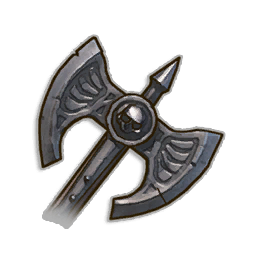 is cheap enough that a crew can field one without straining anyone’s budget, and dependable enough that nobody regrets the slot.
Consumable discipline is the last wall. Endgame fights are long enough that running dry mid encounter is a death sentence with extra steps, and the crews that clear content consistently assign a quartermaster, even informally. Stock checks before push nights, a shared standard for what full looks like, and a no exceptions rule about arriving supplied. The fights are hard enough on their own merits without handing them a handicap the crew could have bought its way out of for pocket change.
Practice time is the preparation nobody schedules, and it is the difference between crews that clear content and crews that farm attempts. The endgame bosses have phases, and each phase rewards different positioning that text descriptions cannot teach. Crews that dedicate one low stakes session to learning the fight, with cheap gear and no expectations, spend less total time on it than crews that learn during attempts. The ego cost of a practice run is smaller than the repair bill for a confident one, and the best crews treat the practice session as part of the fight rather than as a delay before it.
None of this preparation is glamorous, and that is the point. The endgame rewards crews that treat it like a project with a schedule rather than a series of spontaneous adventures, and the payoff is the best content the game currently offers. Roles agreed, logistics split, gear goals assigned, consumables standardized: four boring meetings, and then the dragon hunting starts in earnest.