

Urine testing is one of the most commonly used diagnostic and screening tools in healthcare and forensic science.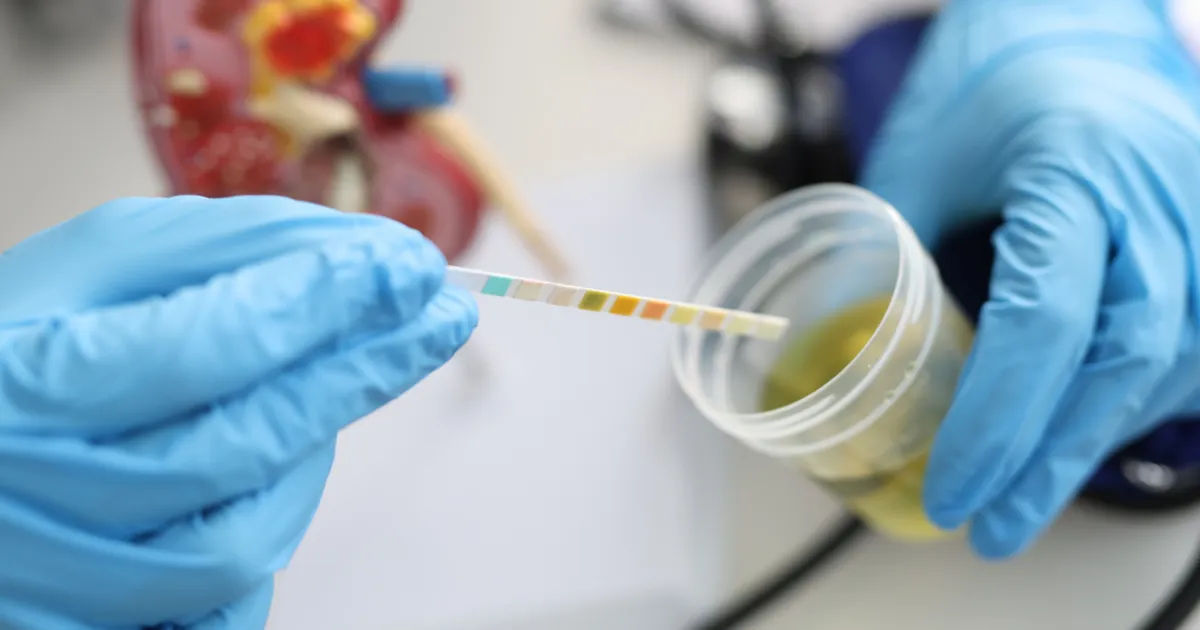
A common question people ask online is “can you freeze urine for a drug test,” especially when trying to understand how reliable or sensitive these tests are. This article focuses on explaining how accurate urine tests really are, how laboratories analyze samples, and what factors can influence results.
It is written in a simple, clear way for a 12th-grade level audience.Urine tests are used for many purposes, including detecting infections, monitoring kidney function, checking for diabetes, and screening for drugs. Their accuracy depends on the type of test, the quality of the laboratory, and how the sample is collected and handled.
Introduction to Urine Test Accuracy
When people search phrases like “can you freeze urine for a drug test,” it often comes from curiosity about how strict or sensitive urine testing systems are. In reality, urine test accuracy is generally high when proper procedures are followed.
Urine tests are designed to detect very small chemical markers in the body. These markers can indicate disease, infection, or the presence of drugs or metabolites. Modern laboratories use advanced machines that reduce human error and improve precision.
However, no test is 100% perfect. Even highly accurate urine testing systems can produce false positives or false negatives under certain conditions.
Understanding accuracy helps you interpret results correctly and avoid confusion or misinformation.
What Does Urine Test Accuracy Mean?
Urine test accuracy refers to how often a test correctly identifies a condition or substance. It includes two main factors:
- Sensitivity: The ability to correctly detect a substance when it is present
- Specificity: The ability to correctly confirm absence when it is not present
A highly accurate urine test will have both high sensitivity and high specificity.
In everyday medical use, urine tests are considered reliable enough for diagnosis and screening. Still, confirmation tests are sometimes required for complex cases.
The idea behind questions like “can you freeze urine for a drug test” is often linked to concerns about whether results can be influenced. But accuracy depends more on laboratory methods than external manipulation attempts.
Types of Urine Tests and Their Accuracy
There are several types of urine tests, and each has a different level of accuracy depending on purpose.
1. Urinalysis
Urinalysis is a general test used to examine urine’s physical and chemical properties. It checks for:
- Protein
- Glucose
- Blood
- Bacteria
Urinalysis is quite accurate for detecting infections and kidney issues when performed correctly.
2. Drug Screening Tests
These tests detect drugs or their metabolites in urine. They are commonly used in workplaces and medical evaluations.
They are highly sensitive but sometimes require confirmation using more advanced methods.
Questions like “can you freeze urine for a drug test” often appear in relation to this type of testing, but laboratories use strict validation procedures to ensure reliability.
3. Culture Tests
Urine cultures identify bacteria causing infections. These tests are extremely accurate when it comes to identifying specific microorganisms.
Laboratory Methods That Improve Accuracy
Modern urine testing relies on advanced laboratory technologies.
Automated Analyzers
Machines scan urine samples for chemical markers with high precision. This reduces human error significantly.
Mass Spectrometry
This is one of the most accurate methods used in drug confirmation testing. It identifies substances at a molecular level.
Immunoassay Testing
This is commonly used for initial drug screening. It is fast and cost-effective but sometimes requires confirmation testing.
Because of these technologies, the overall reliability of urine testing is very high.
Still, misunderstandings about topics like “can you freeze urine for a drug test” show how people sometimes question the limits of testing systems.
Factors That Affect Urine Test Accuracy
Several factors can influence how accurate a urine test is.
1. Sample Collection
Improper collection can lead to contamination or inaccurate readings.
2. Timing
The time between sample collection and testing matters. Delays can affect chemical stability.
3. Hydration Levels
Overhydration can dilute urine, which may affect concentration levels of substances.
4. Medications
Certain medications can interfere with test results and cause false positives.
5. Laboratory Quality
Accredited laboratories follow strict standards to ensure accuracy and consistency.
Even with these variables, urine testing remains one of the most dependable diagnostic tools available.
False Positives and False Negatives
No test is completely error-free. Urine tests can sometimes produce incorrect results.
False Positives
A false positive occurs when a test incorrectly shows the presence of a substance.
This can happen due to:
- Cross-reacting medications
- Certain foods or supplements
- Technical errors
False Negatives
A false negative occurs when a substance is present but not detected.
This may happen due to:
- Testing too early or too late
- Low concentration of substance
- Diluted urine sample
This is why confirmation testing is often recommended in sensitive cases.
The misunderstanding behind “can you freeze urine for a drug test” often comes from confusion about how these errors happen, but modern lab systems are designed to reduce such issues.
Drug Testing Reliability and Common Myths
Drug testing using urine is widely used because it is reliable, cost-effective, and easy to administer.
However, there are many myths surrounding it.
One common misconception is related to “can you freeze urine for a drug test,” where people believe sample storage methods can influence results. In reality, laboratories have strict protocols for sample temperature, storage time, and chain-of-custody procedures.
Other myths include:
- Drinking large amounts of water can always “clean” the system
- Home remedies can guarantee test manipulation
- Tests are easy to bypass
Modern testing systems are designed to detect unusual patterns and inconsistencies, making them highly resistant to manipulation.
Sample Handling and Tampering Detection
Proper sample handling is essential for accurate urine test results.
Laboratories follow strict rules such as:
- Sealed and labeled containers
- Controlled storage temperatures
- Chain-of-custody documentation
These measures ensure the sample remains valid from collection to analysis.
Advanced testing can also detect tampering attempts, including:
- Dilution
- Substitution
- Chemical interference
Concerns like “can you freeze urine for a drug test” fall into discussions about sample integrity, but labs are trained to identify abnormal conditions that suggest tampering.
Accuracy of Urine Tests in Medical Diagnosis
Urine tests are extremely valuable in medical diagnostics.
Kidney Function
They help detect kidney disease early by measuring protein and waste levels.
Diabetes Monitoring
Urine glucose levels can indicate blood sugar problems.
Infections
Bacteria detection helps diagnose urinary tract infections quickly.
In most medical cases, urine tests are considered highly accurate when combined with clinical evaluation and other lab results.
The reliability of these tests makes them a first-choice diagnostic tool in many healthcare settings.
How to Improve Test Reliability
While patients do not directly control laboratory accuracy, certain steps can help ensure reliable results.
Follow Instructions Carefully
Proper sample collection is essential for accurate testing.
Provide Complete Medical History
Doctors need full information to interpret results correctly.
Avoid Unnecessary Delays
Samples should be delivered to labs promptly.
Use Certified Laboratories
Accredited labs follow strict quality control procedures.
By following these steps, the accuracy of urine testing remains consistently high.
Conclusion
Urine testing is one of the most widely used and reliable methods in both medical diagnostics and drug screening. It is accurate because it relies on advanced laboratory technologies, strict collection procedures, and well-established scientific standards.
While no test is perfect, urine tests offer a high level of sensitivity and specificity when performed correctly. Factors such as sample handling, timing, and laboratory quality can influence results, but modern systems are designed to minimize errors.
Misconceptions such as “can you freeze urine for a drug test” often arise from misunderstandings about how testing systems work. In reality, laboratories use strict controls and detection methods that maintain the integrity and reliability of results.
Overall, urine tests remain a trusted and essential tool in healthcare and forensic science due to their balance of accuracy, efficiency, and accessibility.