

Preparing for an MRI can feel unfamiliar if you have never had one before. Unlike an ordinary X-ray, an MRI uses a strong magnetic field and radio waves to create detailed images of structures inside the body. Knowing what to expect beforehand can make the appointment much easier and less stressful.If you have an upcoming scan at an mri karachi facility, preparation usually depends on the type of examination you are having. 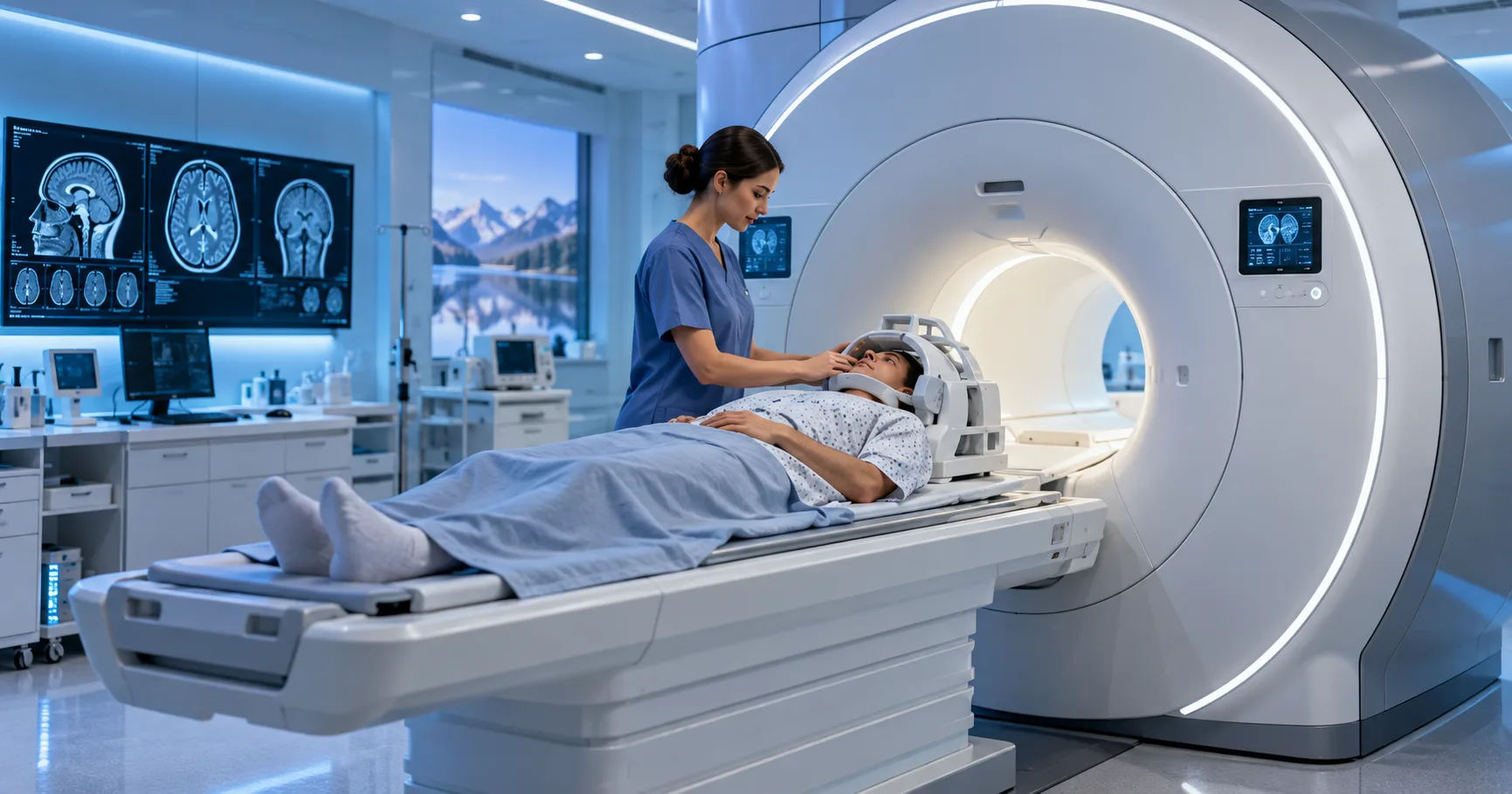 Some MRI scans require little or no special preparation, while others may involve fasting, changing clothes, or providing information about medications and medical devices.
The most important step is to follow the instructions given by your imaging center. MRI preparation is not exactly the same for every patient, because the requirements can change depending on the area being examined and whether contrast material is needed.
What Your MRI Appointment Involves
Before the appointment, ask the imaging center what type of MRI you are scheduled to receive. MRI scans can examine many parts of the body, including the brain, spine, joints, abdomen, pelvis, and other soft tissues.
Knowing the body area being scanned can help you understand whether you need any special preparation. For example, some abdominal or pelvic examinations may have specific eating, drinking, or bladder instructions.
The appointment may also include time for registration, safety screening, changing clothes, and discussing your medical history. The actual scan is only one part of the visit.
It is a good idea to arrive early enough to complete these steps without feeling rushed.
Tell the MRI Center About Your Medical History
One of the most important parts of preparing for an MRI is providing accurate medical information.
MRI uses a powerful magnetic field, so the staff needs to know whether you have any implanted medical devices, metal fragments, or other objects in or on your body.
Tell the MRI staff if you have had surgery involving metal implants or devices. Examples can include certain pacemakers, implanted pumps, clips, stimulators, or other medical equipment.
Do not assume that an implant is automatically safe or unsafe for MRI. Some modern devices are specifically designed to be used under certain MRI conditions, while others may require special precautions.
The MRI team can check the device information and determine the appropriate procedure.
Mention Previous Surgeries
Make sure the imaging center knows about previous surgeries, even if they happened several years ago.
If you have documentation about an implant or surgical device, bring it if possible. Device cards and previous medical records can help the MRI team identify the exact type of implant.
This information is particularly important because different devices can have different MRI safety requirements.
Tell Them About Metal Exposure
Inform the staff if you have ever had a metal object enter your body, particularly through an accident or workplace exposure.
Small metal fragments can sometimes be present without causing obvious symptoms. The MRI team can decide whether additional evaluation is needed before the scan.
Ask Whether You Need to Fast
Not every MRI requires fasting.
Some examinations can be performed normally after eating and drinking. However, certain scans may have specific instructions, particularly examinations involving the abdomen or other areas where food or movement of the digestive system could affect the images.
If your appointment instructions mention fasting, follow the specified timeframe rather than making your own assumptions.
If you are unsure whether you can eat or drink before the examination, contact the imaging center before arriving.
Children and people with certain health conditions may need different instructions, so individual guidance is important.
Take Your Regular Medicines as Instructed
In many situations, patients can continue their usual medicines before an MRI. However, this depends on the examination and the person's medical situation.
Do not stop a prescribed medicine simply because you are having an MRI unless a qualified healthcare professional specifically tells you to do so.
If the MRI center has given you instructions about medications, follow those instructions carefully.
It can also be helpful to bring a list of the medicines and supplements you normally take. This gives the healthcare team accurate information if questions arise during the appointment.
MRI Contrast
Some MRI examinations use a contrast agent to make certain tissues or structures easier to see.
Contrast is not required for every MRI. The decision depends on the reason for the examination and what the doctor needs the images to show.
If your scan involves contrast, the imaging center may ask additional questions about your medical history. They may also ask about previous reactions to contrast agents and certain kidney-related health information.
Make sure you tell the staff about any previous reaction to MRI contrast or other medical contrast agents.
Do not worry if you are unsure about the terminology. The imaging team can explain what is planned and why.
Ask Questions About Contrast Before Your Appointment
If you know that contrast will be used, ask the imaging center whether you need any additional preparation.
Requirements can vary between examinations and facilities. Getting the instructions directly from the center is safer than relying on advice intended for a different type of MRI.
Wear Comfortable Clothing
Choose comfortable clothing for your appointment.
The MRI environment has restrictions regarding metal, so you may be asked to change into a hospital gown or other suitable clothing.
Avoid clothing with metal components when possible. This can include metal zippers, hooks, buttons, underwire, or decorative pieces.
The staff will explain what clothing is appropriate before entering the MRI area.
Remove Metal and Electronic Items
Before entering the scanner room, you will normally need to remove items that could be affected by the magnetic field.
These may include jewelry, watches, hair accessories containing metal, belts, coins, keys, and other metal objects.
Electronic items also need to stay outside the MRI scanning area because the MRI environment can interfere with them or create safety concerns.
Follow the staff's instructions rather than deciding yourself whether an item is safe.
Even a small object that appears harmless should be checked if you are unsure.
Be Careful With Makeup and Personal Products
Some cosmetics and personal products can contain metallic ingredients.
Depending on the type of MRI, the facility may recommend avoiding certain makeup or removing it before the scan.
If the imaging center has given you specific instructions about cosmetics, follow them.
This is another reason why checking the appointment instructions beforehand can prevent delays.
Tell the Staff If You Feel Anxious in Small Spaces
The MRI scanner has a tunnel-like opening, and some people feel uncomfortable in enclosed spaces.
If you are nervous about the scan, tell the staff before the examination begins.
MRI technicians perform these examinations regularly and can explain the process so you know what to expect.
Depending on the facility and examination, different options may be available for patients who have significant anxiety. These should be discussed with the healthcare team in advance.
Do not keep severe anxiety secret. Letting the staff know allows them to plan appropriately.
What Happens During the Scan
During an MRI, you will usually lie on a movable examination table.
The table is positioned so that the part of your body being examined is inside the scanner.
The machine makes loud knocking, tapping, or buzzing sounds during image acquisition. This is normal.
The imaging team may provide hearing protection, such as earplugs or headphones, depending on the equipment.
You will generally need to remain still while individual images are being taken. Movement can reduce image quality and may require some images to be repeated.
The technician can communicate with you during the examination and will monitor the procedure.
Follow Instructions About Staying Still
Remaining still is one of the simplest ways to help produce clear MRI images.
Even small movements can affect certain images. Try to find a comfortable position before the scanning begins.
If you become uncomfortable, tell the technician rather than suddenly moving.
The staff can determine whether it is possible to adjust your position.
Bring Relevant Medical Information
When visiting an mri karachi center, bring the documents that the facility has requested.
These may include your doctor's referral, previous imaging reports, relevant medical records, and information about implanted devices.
Previous scans can sometimes help doctors compare new images with earlier examinations.
If you have been referred by a doctor, make sure you understand which body part is being examined and, if appropriate, the clinical question the scan is intended to investigate.
Ask About Your Appointment Time
MRI appointments can take different amounts of time.
The duration depends on the body part being examined, the number of image sequences required, whether contrast is used, and other factors.
Do not assume that every MRI takes the same amount of time.
When arranging an appointment, ask the facility approximately how long you should expect to remain there. This can help you plan transportation, school, work, or other activities.
It is also sensible to allow extra time for registration and preparation.
What If You Are Pregnant or Might Be Pregnant?
Tell the healthcare team if you are pregnant, think you might be pregnant, or are unsure.
MRI does not use ionizing radiation like an X-ray or CT scan, but pregnancy still needs to be considered when planning medical imaging.
The healthcare professional can decide whether MRI is appropriate and whether any changes to the examination are needed.
If contrast is being considered, pregnancy status is particularly important to discuss with the medical team.
You do not need to feel embarrassed about raising the subject. It is routine medical information that helps healthcare professionals choose the safest approach.
What If You Have an Implanted Device?
Never enter the MRI room without telling the staff about an implanted device.
This includes devices you may not immediately think of as relevant.
Provide the exact device information whenever available. The MRI team needs to know the manufacturer and model for many implanted devices because safety conditions can differ.
If you do not have the information, tell the staff what you know. They can determine what additional information may be required.
Preparing Children for an MRI
Children may need additional explanation before an MRI because the machine is large and noisy.
Explain the procedure using simple, reassuring language. Tell them that the machine makes loud sounds and that they will need to remain still.
The healthcare facility can explain its own policies about whether a parent or guardian can remain nearby.
Special preparation may be needed for younger children who may have difficulty staying still. Any sedation or anesthesia-related decisions should be made by the appropriate medical team rather than arranged independently.
What Should You Do on the Day?
On the day of your MRI, review the instructions provided by the facility.
Wear suitable clothing, bring requested documents, and arrive with enough time for the safety screening.
Tell the staff about implants, previous surgeries, metal fragments, allergies or previous contrast reactions, and relevant medical conditions.
Follow the instructions about food, drinks, medicines, and contrast exactly as provided.
Before entering the scanning room, remove the items the staff asks you to remove.
Most importantly, ask questions if anything is unclear.
Common Preparation Mistakes to Avoid
One common mistake is assuming that every MRI has identical preparation requirements.
Another is failing to mention an implant because it has been in the body for many years. Old surgical devices can still be important for MRI safety.
Some people also arrive wearing clothing containing a lot of metal, which can make preparation take longer.
Another mistake is stopping medication without professional advice.
Finally, do not ignore anxiety or claustrophobia. Informing the imaging team ahead of time gives them an opportunity to discuss suitable arrangements.
After the MRI
For many routine MRI examinations, patients can return to their normal activities after the scan.
If contrast has been used, the healthcare team may provide specific instructions based on your circumstances.
If you received any medication that affects alertness, follow the instructions you were given regarding driving, school, work, or other activities.
The radiologist will review the images and prepare a report. The exact time required for the report can vary between facilities and examinations.
Ask the imaging center when and how your report will be provided.
How to Choose an MRI Facility in Karachi
When selecting an mri karachi facility, consider more than just the appointment price.
Look for a center that provides clear preparation instructions and has trained staff available to answer safety questions.
Ask whether the facility performs the specific MRI examination your doctor requested.
If contrast is required, ask whether the center provides the necessary screening and monitoring procedures.
It is also useful to ask about report availability, appointment timing, and whether previous imaging can be brought for comparison.
A reliable imaging center should be willing to explain the basic process and tell you what information they need before the examination.
Questions to Ask Before Your Appointment
If you are unsure about preparation, contact the facility before the appointment.
Useful questions include whether fasting is required, whether you can take your usual medicines, whether contrast will be used, and what documents you should bring.
You can also ask how long the appointment is expected to take and whether you need to change into a gown.
If you have an implanted device, ask what documentation is required.
These simple questions can prevent unnecessary delays and help the examination go smoothly.
Conclusion
Preparing for an MRI does not usually require complicated steps, but safety screening is extremely important. The exact preparation depends on the body part being examined, the type of MRI, and whether contrast material is involved.
Before visiting an mri karachi facility, carefully review the instructions provided by the imaging center. Tell the staff about implants, previous surgeries, possible metal fragments, medications, previous contrast reactions, and other relevant medical information.
Wear comfortable clothing and be prepared to remove metal and electronic items before entering the scanning area. If fasting or medication instructions have been provided, follow them exactly rather than relying on general advice for another type of examination.
It is equally important to communicate if you feel nervous about the scanner. MRI machines can be noisy and enclosed, but the imaging team can explain what will happen and discuss appropriate options when needed.
If you are pregnant or think you might be pregnant, tell the healthcare team before the examination. This information helps them make an appropriate medical decision.
A little preparation can make the experience more comfortable and help the imaging team obtain useful, high-quality images. When you are uncertain about any part of the preparation, the best approach is to contact your MRI center or healthcare professional before your appointment and ask for instructions specific to your examination.