
Many homeowners now choose infrared underfloor heating UK systems because they want cleaner heat, lower maintenance, and modern comfort.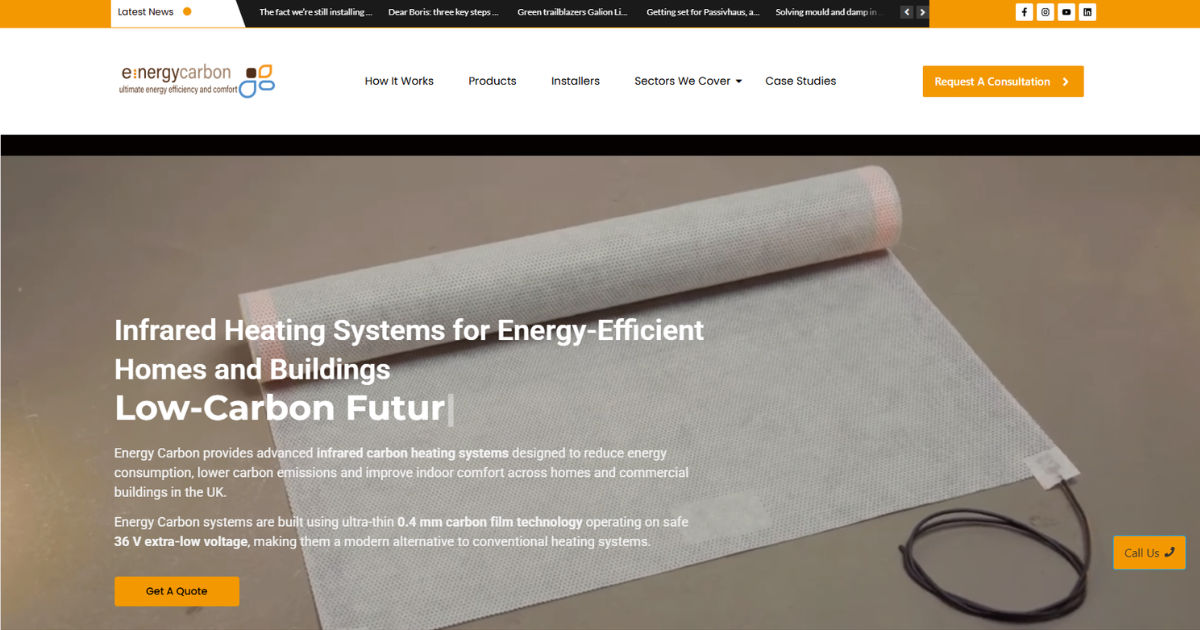
If you are asking how much power it uses, the answer depends on room size, insulation, thermostat settings, and daily usage hours. Some homes use very little electricity, while others need more energy in colder months.
The good news is that infrared underfloor heating UK solutions can be efficient when installed correctly. They warm people and surfaces directly instead of wasting heat in the air.
This guide explains wattage, running costs, energy factors, room examples, and practical ways to reduce bills. By the end, you will clearly understand whether infrared underfloor heating UK is the right choice for your property.
What Is Infrared Underfloor Heating?
Infrared underfloor heating UK systems use electric heating mats, films, or panels placed beneath flooring. When powered on, they emit infrared radiant heat. Instead of heating only the air, radiant energy warms floors, furniture, and people in the room.
This creates a comfortable feeling at lower thermostat temperatures. Many people feel warm at 19°C or 20°C because radiant heat feels more direct and even.
Unlike wet systems with pipes and boilers, infrared underfloor heating UK systems are usually electric. That means easier installation, fast response times, and fewer moving parts.
How Power Use Is Measured
To understand infrared underfloor heating UK energy use, you need to know three basic terms:
Watts (W)
Watts measure the heating system’s power output at a given moment.
Kilowatts (kW)
1,000 watts = 1 kilowatt.
Kilowatt-Hours (kWh)
This is what your electricity supplier charges for.
If a 1kW heater runs for 1 hour, it uses 1kWh.
Most infrared underfloor heating UK products are rated per square metre, such as:
- 100W/m²
- 150W/m²
- 200W/m²
The higher the rating, the faster the heat output.
Average Power Ratings in UK Homes
Different rooms need different outputs. Typical infrared underfloor heating UK ratings include:
100W/m²
Best for well-insulated rooms or background heating.
150W/m²
Common for living rooms, bedrooms, and kitchens.
200W/m²
Used for bathrooms, conservatories, or colder spaces.
This means a 10m² room with a 150W/m² system has a total power rating of:
10 × 150 = 1,500W = 1.5kW
That is the maximum draw when heating fully.
How Much Electricity Does It Actually Use?
The rated power is not always the same as real daily use. Thermostats turn heating on and off to maintain temperature. So a system may only run part of the time.
For example:
- Room size: 10m²
- System: 150W/m²
- Total load: 1.5kW
- Active heating time: 4 hours total across the day
Daily use:
1.5 × 4 = 6kWh
This shows why infrared underfloor heating UK can cost less than many people expect when controlled properly.
Example Room Calculations
Small Bathroom
- Size: 4m²
- Output: 200W/m²
- Total Power: 800W
- Runs: 2 hours daily
Usage:
0.8 × 2 = 1.6kWh per day
A small infrared underfloor heating UK bathroom system can be affordable because the area is small.
Medium Bedroom
- Size: 12m²
- Output: 150W/m²
- Total Power: 1.8kW
- Runs: 4 hours daily
Usage:
1.8 × 4 = 7.2kWh per day
A bedroom with infrared underfloor heating UK can stay comfortable with timed morning and evening heating.
Living Room
- Size: 20m²
- Output: 150W/m²
- Total Power: 3kW
- Runs: 5 hours daily
Usage:
3 × 5 = 15kWh per day
This is why insulation and smart controls matter with infrared underfloor heating UK in larger spaces.
Main Factors That Affect Power Use
1. Insulation Quality
This is the biggest factor. A well-insulated home keeps heat longer, so the system runs less often.
Poor insulation means:
- Heat escapes faster
- Longer heating cycles
- Higher electricity use
Good insulation makes infrared underfloor heating UK much more economical.
2. Room Size
Larger rooms need more heating mats or film, so they use more power.
A 5m² room naturally uses less than a 25m² room.
3. Desired Temperature
Heating a room to 23°C uses more electricity than keeping it at 19°C.
Even lowering settings by 1°C can reduce yearly costs.
4. Flooring Type
Some flooring transfers heat better than others.
Best options:
- Tile
- Stone
- Laminate
- Engineered wood
Thick carpet can slow heat transfer. Choosing the right floor improves infrared underfloor heating UK efficiency.
5. Daily Usage Hours
The more hours it runs, the more electricity it uses. Smart schedules help avoid waste.
6. Thermostat Quality
Modern thermostats learn habits, control zones, and reduce unnecessary heating.
This is one of the best upgrades for infrared underfloor heating UK performance.
Estimated Running Costs in the UK
Electricity prices change, so exact costs depend on your tariff. Use this formula:
kWh used × price per kWh = cost
If electricity costs £0.30 per kWh:
- 5kWh = £1.50
- 10kWh = £3.00
- 15kWh = £4.50
A well-managed infrared underfloor heating UK system in one room may cost less than heating the whole house with central heating.
Monthly Cost Example
Bedroom example:
- 7.2kWh daily
- 30 days = 216kWh monthly
At £0.30 per kWh:
216 × 0.30 = £64.80
Real costs may be lower if heating runs less often.
Is Infrared More Efficient Than Standard Electric Heating?
Often, yes. Here is why:
Direct Radiant Warmth
You feel warm faster.
Even Heat Distribution
No cold spots near the floor.
Lower Air Temperature Needed
People feel comfortable at lower settings.
Zoned Heating
Heat only rooms in use.
These benefits make infrared underfloor heating UK attractive for modern homes.
Infrared Underfloor Heating vs Gas Central Heating
Gas is often cheaper per unit than electricity, but that is only part of the story.
Compare these points:
Gas Heating
- Lower fuel cost per kWh
- Boiler maintenance needed
- Pipework and radiators required
- Whole-house heating common
Infrared Underfloor Heating
- Easy room-by-room control
- Low maintenance
- No boiler needed
- Great for extensions or single rooms
Many people use infrared underfloor heating UK in bathrooms, kitchens, lofts, offices, or renovated spaces rather than replacing every heating system immediately.
Is It Expensive to Run All Day?
Running any electric heating all day can become costly. But constant full power is rare if thermostats are set properly.
A smart infrared underfloor heating UK system should:
- Preheat before use
- Reduce heat when empty
- Lower temperature overnight
- Maintain steady warmth instead of overheating
Used wisely, costs stay more manageable.
Best Rooms for Infrared Underfloor Heating
Bathroom
Warm tiles feel luxurious. Small space keeps costs lower.
Kitchen
Comfort underfoot while cooking.
Bedroom
Quiet, invisible heat with no radiators.
Home Office
Heat only the room you use daily.
Conservatory
Useful in cold zones with proper insulation.
These spaces are popular for infrared underfloor heating UK installations.
How to Reduce Electricity Use
Use Insulation Boards
Installing insulation beneath the heating layer pushes warmth upward instead of losing it downward.
This can greatly improve infrared underfloor heating UK efficiency.
Use Smart Thermostats
Programmable controls stop waste and improve comfort.
Heat by Zone
Only warm occupied rooms.
Keep Doors Closed
Hold heat where needed.
Improve Draught Proofing
Seal gaps around windows and doors.
Choose Suitable Flooring
Use materials that transfer heat well.
Lower Set Temperature Slightly
Try 19°C or 20°C instead of 22°C.
How Long Does It Take to Heat Up?
Warm-up time depends on:
- Floor type
- Insulation
- Power rating
- Room size
Approximate times:
- Tile floors: 20–40 minutes
- Laminate: 30–60 minutes
- Thick floors: longer
Fast response is another reason people like infrared underfloor heating UK.
Does It Use Power Constantly?
No. Once target temperature is reached, the thermostat cycles power on and off.
This means a 2kW system does not pull 2kW every minute of the day. Real-world operation is lower than the maximum rating.
That is important when estimating infrared underfloor heating UK costs.
Can Solar Panels Help?
Yes. If your home has solar generation, daytime electricity can offset heating costs.
This combination makes infrared underfloor heating UK more attractive for energy-conscious households.
Installation Cost vs Running Cost
Always separate these two ideas.
Installation Cost
What you pay to buy and fit the system.
Running Cost
What you pay monthly for electricity.
A cheaper installation does not always mean cheaper long-term use. Efficient design matters more.
Common Myths
Myth 1: It Is Always Too Expensive
Not always. Small rooms and smart controls can be reasonable.
Myth 2: It Heats Slowly
Many systems warm quickly with proper insulation.
Myth 3: It Uses Full Power All Day
Thermostats cycle usage.
Myth 4: It Is Only for Luxury Homes
Many normal households choose infrared underfloor heating UK for comfort and space saving.
Is It Good for Older UK Homes?
Yes, but older homes need attention to insulation first.
If walls, floors, and windows leak heat, any heating system works harder. Improve efficiency first, then install infrared underfloor heating UK for better results.
Who Should Consider It?
You may benefit if you want:
- No wall radiators
- Cleaner room design
- Warm bathroom floors
- Room-by-room control
- Fast electric heating
- Low maintenance heating
Many homeowners install infrared underfloor heating UK during renovations because floors are already being replaced.
Quick Formula to Estimate Your Usage
Use this simple method:
- Find room size in m²
- Multiply by wattage per m²
- Convert to kW
- Multiply by daily hours used
- Multiply by electricity tariff
Example:
15m² room × 150W = 2,250W = 2.25kW
2.25 × 4 hours = 9kWh daily
This gives a useful estimate for infrared underfloor heating UK planning.
Realistic Annual Thinking
Heating demand changes by season.
Winter
Highest use.
Spring/Autumn
Moderate use.
Summer
Little or no use, except bathrooms in some homes.
So yearly averages are usually lower than peak winter calculations.
Advantages Beyond Power Use
When choosing infrared underfloor heating UK, cost is important, but not the only factor.
Other benefits include:
- Quiet operation
- No visible radiators
- Better use of wall space
- Comfortable floor warmth
- Reduced maintenance
- Modern smart controls
For many people, comfort and convenience matter just as much as raw energy numbers.
Conclusion
So, how much power does infrared underfloor heating UK use? The honest answer is: it depends on room size, output rating, insulation, thermostat settings, and how many hours it runs. Most systems are rated between 100W/m² and 200W/m². A small bathroom may use only a modest amount of electricity, while a large living room naturally needs more energy.
The key point is that rated wattage is not the same as constant consumption. Smart thermostats cycle the system on and off, which can reduce actual usage significantly. In well-insulated homes, infrared underfloor heating UK can be an efficient and comfortable option, especially for single rooms, extensions, bathrooms, bedrooms, and home offices.
If you want the best results, focus on insulation, zoning, modern controls, and realistic temperature settings. Those choices often matter more than the heating mat itself. For many UK homeowners, infrared underfloor heating UK offers a smart balance of comfort, style, and controllable energy use. Before buying, calculate your room size, estimate daily hours, compare tariffs, and choose a trusted installer. With the right setup, it can be a practical long-term heating solution.