

Converting documents from one format to another is a common need in today’s digital world. One of the most searched tasks is convert pdf to jpg in a way that keeps the image size small without losing quality.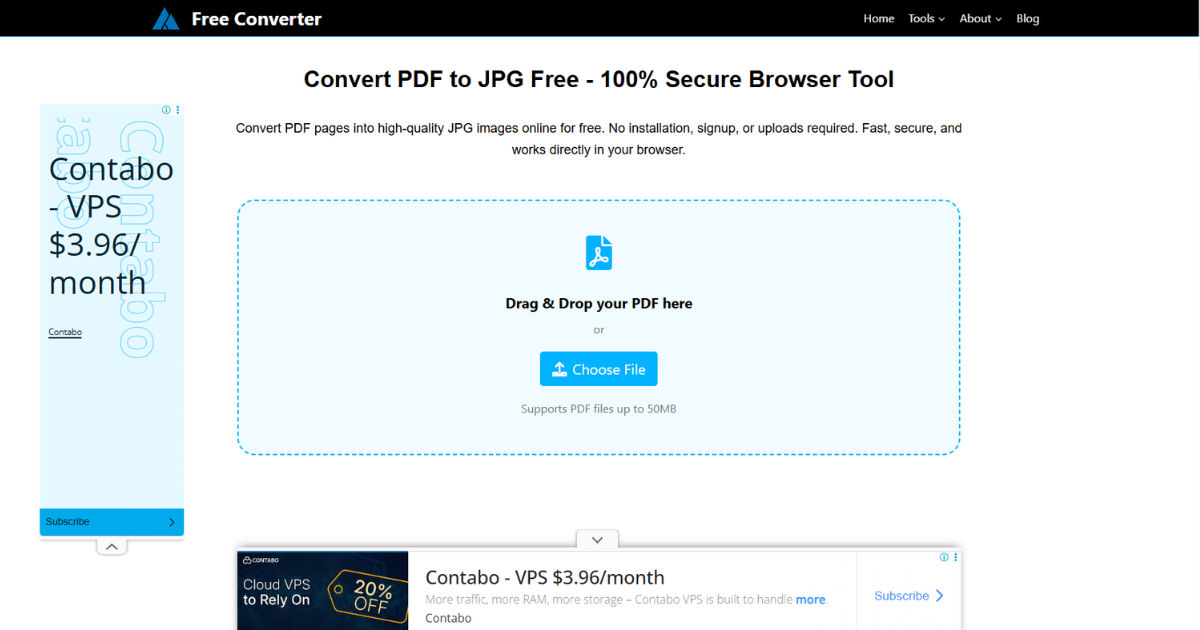
Many people need this for school work, office reports, websites, or sharing files on mobile apps where large files are not accepted.
In this guide, you will learn everything about convert pdf to jpg step by step, including tools, methods, settings, and expert tips to reduce file size while maintaining good image quality.
This is a beginner-friendly guide written in simple language so even a 12th-grade student can easily understand it.
PDF and JPG Formats
Before learning how to convert pdf to jpg, it is important to understand what these formats are.
What is a PDF?
A PDF (Portable Document Format) is a file type used to display documents in a fixed layout. It keeps text, images, and formatting the same across all devices.
What is a JPG?
JPG (or JPEG) is an image format used for photos and graphics. It is widely used because it supports compression, which helps reduce file size.
Why Convert PDF to JPG?
People choose to convert pdf to jpg for several reasons:
- Easy sharing on social media
- Uploading images on websites
- Extracting pages as images
- Reducing file size for mobile use
- Editing pages in image software
Why Small File Size Matters
When you convert pdf to jpg, file size becomes important for several reasons:
Faster Uploading and Downloading
Small JPG files upload and download quickly, especially on slow internet connections.
Saves Storage Space
Compressed images take less space on your phone or computer.
Easier Sharing
Apps like WhatsApp, Facebook, and email often have file size limits.
Better Website Performance
Small images help websites load faster, improving user experience.
Best Methods to Convert PDF to JPG with Small File Size
Now let’s explore the main methods to convert pdf to jpg while keeping file size small.
Method 1: Using Online PDF to JPG Tools
Online tools are the easiest way to convert pdf to jpg without installing software.
Steps:
- Open a trusted PDF to JPG website
- Upload your PDF file
- Choose “Convert to JPG”
- Select compression or quality settings
- Download the images
Tips for Small File Size:
- Choose “low” or “medium” quality
- Avoid high-resolution settings unless needed
- Compress images after conversion if available
Advantages:
- No installation required
- Works on mobile and PC
- Fast conversion
Disadvantages:
- Requires internet
- Privacy concerns for sensitive files
Method 2: Using Adobe Acrobat
Adobe Acrobat is a professional tool to convert pdf to jpg with better control over quality.
Steps:
- Open PDF in Adobe Acrobat
- Click “Export PDF”
- Select “Image”
- Choose JPG format
- Adjust quality settings
- Save file
How to Reduce File Size:
- Lower image resolution (72–150 DPI is enough)
- Choose “Medium” or “Low” quality
- Avoid color-heavy settings if not needed
Advantages:
- High-quality results
- Advanced compression options
- Reliable output
Disadvantages:
- Paid software for full features
- Slight learning curve for beginners
Method 3: Using Microsoft Print to Image Feature
Windows users can also convert pdf to jpg using built-in tools.
Steps:
- Open PDF file
- Click Print
- Select “Microsoft Print to PDF” or image printer tools
- Choose JPG format (via virtual printer)
- Save output
File Size Control:
- Set print quality to low or medium
- Reduce page scaling
Advantages:
- No extra software needed
- Simple method
Disadvantages:
- Limited control over compression
- Not available on all systems
Method 4: Using Mobile Apps
Smartphones are widely used for file conversion, and many apps allow you to convert pdf to jpg easily.
Popular Apps:
- PDF Converter Apps
- Image Converter Tools
- Scanner Apps with export options
Steps:
- Install a trusted app
- Import your PDF
- Choose JPG output
- Adjust compression settings
- Save images
Tips for Small Size:
- Choose “compress image” option
- Reduce DPI to 100–150
- Avoid HD export unless necessary
Advantages:
- Easy mobile access
- Fast processing
- Good for quick tasks
Method 5: Using Photoshop
Photoshop gives full control when you convert pdf to jpg professionally.
Steps:
- Open PDF in Photoshop
- Select pages to import
- Go to File > Save As
- Choose JPG format
- Adjust quality slider
Best Settings for Small File Size:
- Quality: 5–7 (out of 12)
- Resolution: 150 DPI or lower
- Use “Save for Web” option if available
Advantages:
- Maximum control over quality
- Professional output
- Advanced editing options
Disadvantages:
- Expensive software
- Requires skill
How to Reduce JPG File Size After Conversion
Even after you convert pdf to jpg, you may need to further reduce size.
Method 1: Online Compressors
Use tools that compress JPG files without losing much quality.
Method 2: Resize Image
Reducing image dimensions significantly lowers file size.
Method 3: Lower Quality Settings
Saving JPG at 60–80% quality can reduce size greatly.
Method 4: Remove Unnecessary Pages
Only convert important pages instead of full PDFs.
Important Settings for Best Results
When you convert pdf to jpg, these settings matter the most:
Resolution (DPI)
- 72 DPI → Small file size (web use)
- 150 DPI → Balanced quality
- 300 DPI → High quality (large file size)
Compression Level
- Low compression → High quality, large size
- Medium compression → Balanced
- High compression → Small size, lower quality
Color Mode
- RGB → Best for digital use
- Grayscale → Smaller file size
- Black & White → Smallest size
Common Mistakes to Avoid
When you try to convert pdf to jpg, avoid these mistakes:
Using Very High Resolution
This increases file size unnecessarily.
Ignoring Compression Options
Many users skip compression settings, resulting in large images.
Converting Entire PDFs Without Need
Only convert required pages.
Using Untrusted Tools
Some tools may reduce quality too much or risk privacy.
Best Practices for Small File Size
To get the best results when you convert pdf to jpg, follow these tips:
Choose the Right Tool
Online tools are good for quick tasks, while Photoshop is better for professionals.
Always Adjust DPI
Lower DPI reduces file size significantly.
Use Grayscale When Possible
If color is not important, grayscale saves space.
Compress After Conversion
Always compress JPG files after conversion.
Test Different Settings
Try multiple settings to find the best balance.
When Should You Convert PDF to JPG?
You should convert pdf to jpg in these situations:
- Uploading images on websites
- Sharing documents on social media
- Creating presentations
- Sending images via messaging apps
- Editing document pages as images
Advantages of Converting PDF to JPG
Here are the benefits of convert pdf to jpg:
- Easy to share and view
- Compatible with all devices
- Smaller file size with compression
- Editable in image software
- Useful for web publishing
Limitations of JPG Format
While JPG is useful, it has some limitations:
- Loss of quality due to compression
- Not ideal for text-heavy documents
- Cannot preserve layers like PDF
- May blur small text if compressed too much
Future of File Conversion Tools
Modern tools are making it easier to convert pdf to jpg with AI-based compression. Future software will:
- Automatically optimize file size
- Improve quality using AI enhancement
- Offer faster cloud-based conversion
- Support batch processing with smart compression
Conclusion
Learning how to convert pdf to jpg with small file size is very useful for students, professionals, and everyday users. Whether you use online tools, mobile apps, or advanced software like Photoshop, the key is to balance quality and compression.
By adjusting settings like DPI, compression level, and color mode, you can significantly reduce file size while maintaining good image clarity. Always choose the right method based on your needs—quick online tools for simple tasks or professional software for high-quality results.
With the right approach, you can easily manage and share your files efficiently without worrying about storage or upload limits. The process becomes simple once you understand the settings and apply the correct techniques.