how much power infrared underfloor heating UK uses?

Many homeowners now choose infrared underfloor heating UK systems because they want cleaner heat, lower maintenance, and modern comfort.
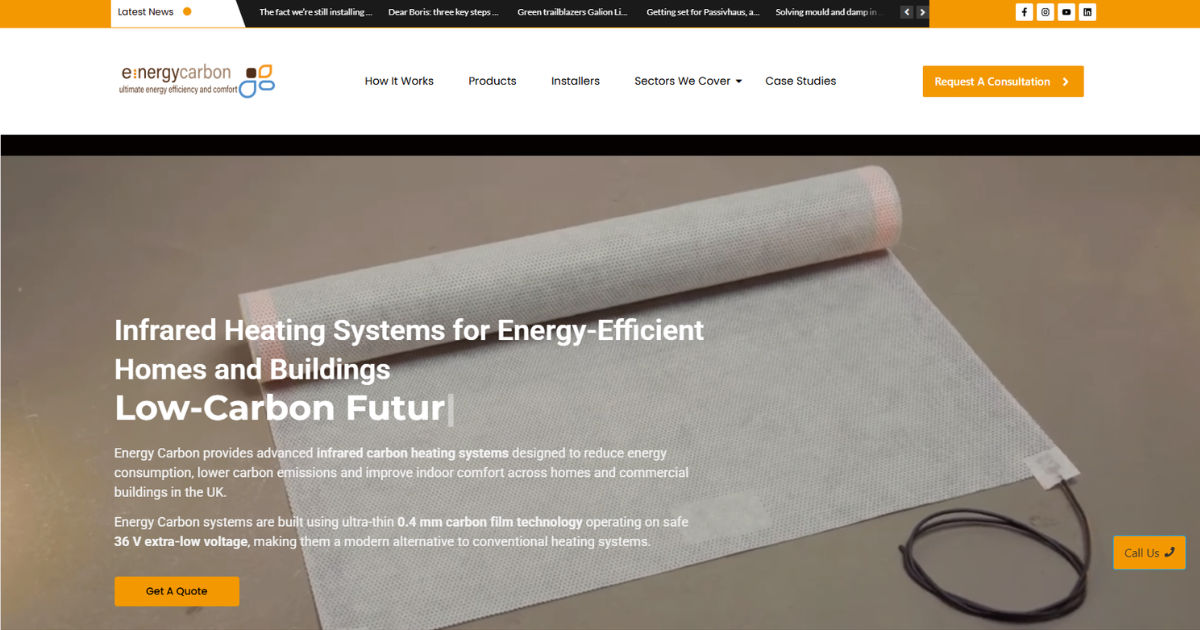
If you are asking how much power it uses, the answer depends on room size, insulation, thermostat settings, and daily usage hours. Some homes use very little electricity, while others need more energy in colder months.

The good news is that infrared underfloor heating UK solutions can be efficient when installed correctly. They warm people and surfaces directly instead of wasting heat in the air.

This guide explains wattage, running costs, energy factors, room examples, and practical ways to reduce bills. By the end, you will clearly understand whether infrared underfloor heating UK is the right choice for your property.


What Is Infrared Underfloor Heating?

Infrared underfloor heating UK systems use electric heating mats, films, or panels placed beneath flooring. When powered on, they emit infrared radiant heat. Instead of heating only the air, radiant energy warms floors, furniture, and people in the room.

This creates a comfortable feeling at lower thermostat temperatures. Many people feel warm at 19°C or 20°C because radiant heat feels more direct and even.

Unlike wet systems with pipes and boilers, infrared underfloor heating UK systems are usually electric. That means easier installation, fast response times, and fewer moving parts.


How Power Use Is Measured

To understand infrared underfloor heating UK energy use, you need to know three basic terms:

Watts (W)

Watts measure the heating system’s power output at a given moment.

Kilowatts (kW)

1,000 watts = 1 kilowatt.

Kilowatt-Hours (kWh)

This is what your electricity supplier charges for.

If a 1kW heater runs for 1 hour, it uses 1kWh.

Most infrared underfloor heating UK products are rated per square metre, such as:

  • 100W/m²
  • 150W/m²
  • 200W/m²

The higher the rating, the faster the heat output.


Average Power Ratings in UK Homes

Different rooms need different outputs. Typical infrared underfloor heating UK ratings include:

100W/m²

Best for well-insulated rooms or background heating.

150W/m²

Common for living rooms, bedrooms, and kitchens.

200W/m²

Used for bathrooms, conservatories, or colder spaces.

This means a 10m² room with a 150W/m² system has a total power rating of:

10 × 150 = 1,500W = 1.5kW

That is the maximum draw when heating fully.


How Much Electricity Does It Actually Use?

The rated power is not always the same as real daily use. Thermostats turn heating on and off to maintain temperature. So a system may only run part of the time.

For example:

  • Room size: 10m²
  • System: 150W/m²
  • Total load: 1.5kW
  • Active heating time: 4 hours total across the day

Daily use:

1.5 × 4 = 6kWh

This shows why infrared underfloor heating UK can cost less than many people expect when controlled properly.


Example Room Calculations

Small Bathroom

  • Size: 4m²
  • Output: 200W/m²
  • Total Power: 800W
  • Runs: 2 hours daily

Usage:

0.8 × 2 = 1.6kWh per day

A small infrared underfloor heating UK bathroom system can be affordable because the area is small.


Medium Bedroom

  • Size: 12m²
  • Output: 150W/m²
  • Total Power: 1.8kW
  • Runs: 4 hours daily

Usage:

1.8 × 4 = 7.2kWh per day

A bedroom with infrared underfloor heating UK can stay comfortable with timed morning and evening heating.


Living Room

  • Size: 20m²
  • Output: 150W/m²
  • Total Power: 3kW
  • Runs: 5 hours daily

Usage:

3 × 5 = 15kWh per day

This is why insulation and smart controls matter with infrared underfloor heating UK in larger spaces.


Main Factors That Affect Power Use

1. Insulation Quality

This is the biggest factor. A well-insulated home keeps heat longer, so the system runs less often.

Poor insulation means:

  • Heat escapes faster
  • Longer heating cycles
  • Higher electricity use

Good insulation makes infrared underfloor heating UK much more economical.


2. Room Size

Larger rooms need more heating mats or film, so they use more power.

A 5m² room naturally uses less than a 25m² room.


3. Desired Temperature

Heating a room to 23°C uses more electricity than keeping it at 19°C.

Even lowering settings by 1°C can reduce yearly costs.


4. Flooring Type

Some flooring transfers heat better than others.

Best options:

  • Tile
  • Stone
  • Laminate
  • Engineered wood

Thick carpet can slow heat transfer. Choosing the right floor improves infrared underfloor heating UK efficiency.


5. Daily Usage Hours

The more hours it runs, the more electricity it uses. Smart schedules help avoid waste.


6. Thermostat Quality

Modern thermostats learn habits, control zones, and reduce unnecessary heating.

This is one of the best upgrades for infrared underfloor heating UK performance.


Estimated Running Costs in the UK

Electricity prices change, so exact costs depend on your tariff. Use this formula:

kWh used × price per kWh = cost

If electricity costs £0.30 per kWh:

  • 5kWh = £1.50
  • 10kWh = £3.00
  • 15kWh = £4.50

A well-managed infrared underfloor heating UK system in one room may cost less than heating the whole house with central heating.


Monthly Cost Example

Bedroom example:

  • 7.2kWh daily
  • 30 days = 216kWh monthly

At £0.30 per kWh:

216 × 0.30 = £64.80

Real costs may be lower if heating runs less often.


Is Infrared More Efficient Than Standard Electric Heating?

Often, yes. Here is why:

Direct Radiant Warmth

You feel warm faster.

Even Heat Distribution

No cold spots near the floor.

Lower Air Temperature Needed

People feel comfortable at lower settings.

Zoned Heating

Heat only rooms in use.

These benefits make infrared underfloor heating UK attractive for modern homes.


Infrared Underfloor Heating vs Gas Central Heating

Gas is often cheaper per unit than electricity, but that is only part of the story.

Compare these points:

Gas Heating

  • Lower fuel cost per kWh
  • Boiler maintenance needed
  • Pipework and radiators required
  • Whole-house heating common

Infrared Underfloor Heating

  • Easy room-by-room control
  • Low maintenance
  • No boiler needed
  • Great for extensions or single rooms

Many people use infrared underfloor heating UK in bathrooms, kitchens, lofts, offices, or renovated spaces rather than replacing every heating system immediately.


Is It Expensive to Run All Day?

Running any electric heating all day can become costly. But constant full power is rare if thermostats are set properly.

A smart infrared underfloor heating UK system should:

  • Preheat before use
  • Reduce heat when empty
  • Lower temperature overnight
  • Maintain steady warmth instead of overheating

Used wisely, costs stay more manageable.


Best Rooms for Infrared Underfloor Heating

Bathroom

Warm tiles feel luxurious. Small space keeps costs lower.

Kitchen

Comfort underfoot while cooking.

Bedroom

Quiet, invisible heat with no radiators.

Home Office

Heat only the room you use daily.

Conservatory

Useful in cold zones with proper insulation.

These spaces are popular for infrared underfloor heating UK installations.


How to Reduce Electricity Use

Use Insulation Boards

Installing insulation beneath the heating layer pushes warmth upward instead of losing it downward.

This can greatly improve infrared underfloor heating UK efficiency.


Use Smart Thermostats

Programmable controls stop waste and improve comfort.


Heat by Zone

Only warm occupied rooms.


Keep Doors Closed

Hold heat where needed.


Improve Draught Proofing

Seal gaps around windows and doors.


Choose Suitable Flooring

Use materials that transfer heat well.


Lower Set Temperature Slightly

Try 19°C or 20°C instead of 22°C.


How Long Does It Take to Heat Up?

Warm-up time depends on:

  • Floor type
  • Insulation
  • Power rating
  • Room size

Approximate times:

  • Tile floors: 20–40 minutes
  • Laminate: 30–60 minutes
  • Thick floors: longer

Fast response is another reason people like infrared underfloor heating UK.


Does It Use Power Constantly?

No. Once target temperature is reached, the thermostat cycles power on and off.

This means a 2kW system does not pull 2kW every minute of the day. Real-world operation is lower than the maximum rating.

That is important when estimating infrared underfloor heating UK costs.


Can Solar Panels Help?

Yes. If your home has solar generation, daytime electricity can offset heating costs.

This combination makes infrared underfloor heating UK more attractive for energy-conscious households.


Installation Cost vs Running Cost

Always separate these two ideas.

Installation Cost

What you pay to buy and fit the system.

Running Cost

What you pay monthly for electricity.

A cheaper installation does not always mean cheaper long-term use. Efficient design matters more.


Common Myths

Myth 1: It Is Always Too Expensive

Not always. Small rooms and smart controls can be reasonable.

Myth 2: It Heats Slowly

Many systems warm quickly with proper insulation.

Myth 3: It Uses Full Power All Day

Thermostats cycle usage.

Myth 4: It Is Only for Luxury Homes

Many normal households choose infrared underfloor heating UK for comfort and space saving.


Is It Good for Older UK Homes?

Yes, but older homes need attention to insulation first.

If walls, floors, and windows leak heat, any heating system works harder. Improve efficiency first, then install infrared underfloor heating UK for better results.


Who Should Consider It?

You may benefit if you want:

  • No wall radiators
  • Cleaner room design
  • Warm bathroom floors
  • Room-by-room control
  • Fast electric heating
  • Low maintenance heating

Many homeowners install infrared underfloor heating UK during renovations because floors are already being replaced.


Quick Formula to Estimate Your Usage

Use this simple method:

  1. Find room size in m²
  2. Multiply by wattage per m²
  3. Convert to kW
  4. Multiply by daily hours used
  5. Multiply by electricity tariff

Example:

15m² room × 150W = 2,250W = 2.25kW

2.25 × 4 hours = 9kWh daily

This gives a useful estimate for infrared underfloor heating UK planning.


Realistic Annual Thinking

Heating demand changes by season.

Winter

Highest use.

Spring/Autumn

Moderate use.

Summer

Little or no use, except bathrooms in some homes.

So yearly averages are usually lower than peak winter calculations.


Advantages Beyond Power Use

When choosing infrared underfloor heating UK, cost is important, but not the only factor.

Other benefits include:

  • Quiet operation
  • No visible radiators
  • Better use of wall space
  • Comfortable floor warmth
  • Reduced maintenance
  • Modern smart controls

For many people, comfort and convenience matter just as much as raw energy numbers.


Conclusion

So, how much power does infrared underfloor heating UK use? The honest answer is: it depends on room size, output rating, insulation, thermostat settings, and how many hours it runs. Most systems are rated between 100W/m² and 200W/m². A small bathroom may use only a modest amount of electricity, while a large living room naturally needs more energy.

The key point is that rated wattage is not the same as constant consumption. Smart thermostats cycle the system on and off, which can reduce actual usage significantly. In well-insulated homes, infrared underfloor heating UK can be an efficient and comfortable option, especially for single rooms, extensions, bathrooms, bedrooms, and home offices.

If you want the best results, focus on insulation, zoning, modern controls, and realistic temperature settings. Those choices often matter more than the heating mat itself. For many UK homeowners, infrared underfloor heating UK offers a smart balance of comfort, style, and controllable energy use. Before buying, calculate your room size, estimate daily hours, compare tariffs, and choose a trusted installer. With the right setup, it can be a practical long-term heating solution.

Decryption The Chemistry Of Bodoni Casino Reviews

The online gambling landscape painting is pure with review sites, each likely unbiassed, magic insights into the best platforms. However, a deeper investigation reveals a intellectual where the very construct of an"objective reexamine" is a carefully manufactured semblance. This analysis moves beyond rise up-level star ratings to the economic engines, scientific discipline triggers, and data monetization strategies that major power the contemporary gambling casino review manufacture. We take exception the rife wiseness that these sites suffice the player first, disceptation they are primarily lead-generation engines optimized for restrictive arbitrage and activity .

The Hidden Economics of Affiliate Marketing

At its core, the legal age of gambling casino reexamine sites run on an consort marketing model. This creates an underlying conflict of interest seldom unveiled with transparency. A 2024 describe from the bandar togel hongkong Compliance Group revealed that 89 of all player dealings to new licenced casinos in Europe originates from assort partners, not organic search or target merchandising. This statistic underscores the large great power wielded by reexamine platforms; they are the gatekeepers, not merely advisors. The tax revenue partake from a referred player can range from 25 to 50 of their life net losings, a commercial enterprise inducement that profoundly shapes editorial"recommendations."

Algorithmic Bias in"Top 10" Lists

The curation of"Top 10" lists is not an column exercise but a premeditated taxation-per-visitor(RPV) optimisation. Advanced platforms employ dynamic list algorithms that press factors far beyond game variety show or payout travel rapidly. These algorithms prioritise operators with the highest transition rates, most profitable deals, and most operational retention meat hooks. A 2023 study by the Digital Transparency Institute base that 72 of reexamine sites unsexed their senior say supported on temporary commission boosts from operators, a practise known as"bounty period of time stacking." This creates a churn-and-burn where new casinos with fast-growing associate budgets top lists, regardless of long-term participant safety.

The Data Harvest Behind the Bonus Magic

Review sites have evolved into intellectual data collection points. The allure of"exclusive incentive codes" serves as the primary mechanics for user data attainment. When a participant clicks a bonus link, a cascade of trailing pixels and cookies is deployed, edifice a careful visibility of gaming preferences, risk tolerance, and posit patterns. Recent 2024 data from a leading commercialise analyst firm indicates that the average out player data profile generated through a review site clickstream is sold or leveraged across an average of 3.7 concomitant selling networks, generating an estimated 22.50 in secondary winding data tax income per acquired customer.

  • Cookie Duration and Tracking: Tracking tags often widen beyond regulative 30-day windows, dogging for up to 120 days to ride herd on player life-time value.
  • Cross-Device Fingerprinting: Sites use scripts to run up together Roger Sessions across mobile and desktop, creating a united activity personal identity.
  • Geo-Targeting for Regulatory Loopholes: Data is used to place players from jurisdictions where certain bonus structures(like sticky bonuses) are forbidden and point them towards operators ignoring such rules.
  • Predictive Deposit Modeling: Click patterns on particular game reviews(e.g., high-volatility slots) feed models predicting optimal multiplication to suffice fix prompts.

Case Study: The Phantom Payout Audit

Our first case meditate examines"CasinoVeritas," a review site that shapely its reputation on mugwump payout verification. The initial trouble was declining user swear due to industry-wide mental rejection about self-reported Return to Player(RTP) percentages. Their intervention was the"Live Audit Portal," a supposed real-time feed of payout data from partnered casinos. The methodological analysis was complex: they necessary casinos to install a usance API that fed anonymized spin data into a hashing algorithm, with results displayed on a populace splasher. However, the quantified result discovered the flaw. An independent forensic psychoanalysis ground the API only refined data from a curated set of low-volatility, high-RTP games, excluding entire game categories. While the site according an"average proven RTP of 97.8," the existent overall RTP across all casino games was measured at 94.1. The hepatic portal vein enhanced user sign-ups by 150 but consistently distorted the participant's true risk environment.

Case Study: The Syndicated"User" Review Network

"PlayerPulse" given itself as an aggregator of sincere user reviews. The problem they identified was the scarcity of elaborated, long-form player feedback. Their groundbreaking root was the macrocosm of a syndicated web. They partnered with seven other recess consort sites in adjacent verticals(sports card-playing, poker, forex trading) to cross-pollinate"user

The Best Top 5 Situs Slot Strategies for Risk-Free Play ,

The Best Top 5 Situs Slot Strategies for Risk-Free Play

Slot games are thrilling, but losing money fast kills the fun. This checklist keeps your bankroll safe while maximizing wins. Follow every step—skipping even one could cost you big.

Phase 1: Before You Play – Lock In Your Foundation

Pick a Licensed Situs Slot with Proven Fairness

Unlicensed sites rig RNGs. Stick to platforms regulated by PAGCOR, MGA, or UKGC. Check the footer for a license number and verify it on the regulator’s site. Playing on shady sites means your deposits vanish before you hit a single win.

Set a Hard Loss Limit and Stick to It

Decide your max loss before logging in—say, 5% of your bankroll. Use the site’s deposit limit tool to enforce it. Chasing losses turns small setbacks into financial disasters.

Choose Slots with 96%+ RTP

Return-to-player (RTP) rates are listed in the game info. Avoid anything below 96%. Low RTP slots pay out less over time, draining your funds faster. Always filter games by RTP before spinning.

Test Free Demo Modes First

Every legit situs slot offers a demo version. Play it for 100 spins to spot patterns. Skipping this step means you’ll waste real money learning the game’s quirks.

Activate All Bonuses with Low Wagering

Check the promotions page for welcome bonuses, cashback, or free spins. Read the terms—avoid offers with 50x+ wagering requirements. High rollover bonuses trap your money in endless play.

Phase 2: During Play – Control the Game

Bet Max on Progressive Jackpots Only

Progressive slots require max bets to qualify for the jackpot. Bet less, and you’ll win smaller prizes while still risking the same amount. Never bet max on non-progressive slots—it’s a surefire way to burn cash.

Use the "Low Volatility" Filter for Steady Wins

Low-volatility slots pay smaller wins more often. High-volatility slots drain your balance waiting for rare big payouts. Stick to low volatility to stretch your bankroll longer.

Play with Auto-Spin Set to 50 Spins Max

Auto-spin removes your control. Set it to 50 spins and walk away. Letting it run indefinitely leads to mindless losses when you’re not paying attention.

Track Your Session Time

Set a 30-minute timer. Slots are designed to keep you playing—long sessions always favor the house. Walk away when the timer goes off, even if you’re up.

Cash Out Half Your Wins Immediately

When you hit a win, withdraw 50% to your e-wallet. Leaving it all in play guarantees you’ll lose it back. Locking in profits turns a good session into real money.

Phase 3: After Play – Protect Your Gains

Set a Hard Loss Limit and Stick to It

0
Most situs slots show your win/loss breakdown. Check it after every session. Ignoring this means repeating the same mistakes and losing more next time.

Set a Hard Loss Limit and Stick to It

1
If you have bonus funds left with no wagering left, cash them out. Bonuses expire, and leaving them in your account tempts you to play them away.

Set a Hard Loss Limit and Stick to It

2
Sticking to one slot lets the RNG predict your play. Switch games every few sessions to keep the odds fresh. Playing the same slot too long turns small wins into losses.

Set a Hard Loss Limit and Stick to It

3
Hackers target slot accounts with weak security. Enable 2FA to block unauthorized withdrawals. Losing your account means losing your balance and bonuses.

Set a Hard Loss Limit and Stick to It

4
Big wins trigger dopamine rushes, leading to reckless play. Step away for a day to avoid giving it all back. Celebrating too soon turns a win into a loss.

Top 5 Situs Slot Strategies to Win Big Without Risking Too Much

Set a Hard Loss Limit and Stick to It

5
Bet only 1% of your total bankroll per spin. A $100 bankroll means $1 spins. Betting more drains your funds too fast, leaving no room for recovery.

Set a Hard Loss Limit and Stick to It

6
After 3 losing spins, lower your bet by 50%. After 3 wins, raise it by 25%. This prevents chasing losses and locks in profits. Skipping this leads to emotional betting and bigger losses.

Set a Hard Loss Limit and Stick to It

7
Play only during situs TOTO SLOT promotions. Time your sessions around free spin offers or cashback days. Ignoring bonuses means leaving free money on the table.

Set a Hard Loss Limit and Stick to It

8
Limit each session to 15 minutes. Short sessions force discipline. Long sessions always favor the house.

Set a Hard Loss Limit and Stick to It

9
Withdraw 10% of your balance every 5 sessions. Small, frequent withdrawals build a safety net. Letting your balance grow too large tempts you to bet it all.

Final Check: Never Skip This

Before logging in, ask: "Do I have a plan?" If the answer is no, walk away. Slots are designed to exploit

How to Save Money with Trade Discounts on Renovation Materials


Transforming your home is an exciting journey, but the costs can quickly add up. When you start pricing out new kitchen cabinets, bathroom tiles, and modern fixtures, you might feel a sudden wave of budget anxiety. Materials often consume a massive chunk of your total renovation budget. However, you do not have to pay full retail price for high-quality items. Savvy homeowners know that unlocking industry pricing is the secret to getting a premium look for less. This guide will show you exactly how to save money with trade discounts on renovation materials, helping you stretch your budget without sacrificing quality bathroom fitters manchester.

Understanding the Power of Trade Discounts

When you walk into a home improvement store or a high-end tile showroom, the price tags you see reflect the standard retail cost. However, suppliers offer a completely different pricing tier to industry professionals. Trade discounts are special, reduced rates given to builders, plumbers, electricians, and remodeling companies who buy materials consistently. These discounts typically range from 10 to 30 percent off the standard retail price, depending on the supplier and the volume of the order. Accessing these lower prices allows you to upgrade to luxury materials that might otherwise fall outside your strict budget.

Working with Contractors Who Have Supplier Accounts

The absolute easiest way to access trade pricing is by partnering with an established remodeling contractor. Experienced local contractors hold long-standing supplier accounts with major brands and local warehouses. When you hire a reputable team, they often extend their exclusive pricing directly to you. This means you get the exact same premium quartz worktop or rainfall showerhead for a fraction of the cost you would pay if you walked into the store alone.

When you interview potential contractors for your project, always ask them about their material sourcing process. A trustworthy remodeling company will proudly explain how they use their trade accounts to benefit your bottom line. They handle the complex ordering process, manage the delivery logistics, and ensure you get the best possible price. This collaborative approach removes the stress of shopping around and guarantees that your materials arrive on time and within budget.

Finding Trade Discounts on Your Own

If you are taking the do-it-yourself route or acting as your own general contractor, you can still find ways to secure material discounts. While you might not qualify for the top-tier pricing reserved for large companies, many suppliers offer entry-level pro accounts. If you plan to spend a significant amount of money on a large project, speak directly to the store manager. Explain the scope of your renovation and ask if they can offer a bulk purchase discount or open a temporary trade account for your project.

You can also hunt for deep discounts by shopping strategically:

  • Visit local liquidation centers: These warehouses buy overstock materials directly from manufacturers and sell them to the public at wholesale prices.
  • Look for open-box deals: Showrooms often sell display models or items with damaged packaging for a massive discount, even though the product inside remains flawless.
  • Shop during major industry sales: Plan your material purchases around holiday sales events or end-of-season clearance periods to stack discounts.

Choosing Quality Materials at Reduced Prices

Saving money means very little if the materials you buy fall apart after a year of use. The goal of using trade discounts is to afford better quality, not to buy the cheapest items available. When you shop with industry pricing, you can upgrade from budget-friendly options to durable, long-lasting materials that add real value to your home.

Focus your discounted spending on the items that endure the most daily wear and tear. Use your savings to buy solid wood cabinetry instead of particleboard, or opt for dense porcelain floor tiles instead of basic ceramic. When choosing plumbing fixtures, prioritize respected brands known for reliable internal valves and solid brass construction. By investing your savings into the foundational elements of your room, you guarantee a beautiful space that withstands the test of time.

Budgeting Smartly with Your New Savings

Once you secure trade pricing for your project, you have a wonderful opportunity to reallocate those saved funds. You can choose to pocket the extra cash, giving yourself a comfortable financial cushion against unexpected renovation surprises. Alternatively, you can reinvest that money to elevate the overall design of your room.

Consider using your savings to fund smart home upgrades, such as underfloor heating in the bathroom or a high-tech smart toilet. You might also decide to hire a professional to tackle a tricky part of the project you originally planned to do yourself, saving you hours of frustrating labor. Strategic budgeting turns your discounted materials into a more comfortable, luxurious, and completely stress-free home improvement experience.

Take the Next Steps Toward Your Dream Home

You have the power to control your remodeling costs by shopping smart and leveraging industry connections. By understanding how trade discounts work, partnering with well-connected contractors, and focusing on high-quality materials, you can achieve a stunning renovation on a realistic budget. Start your project on the right foot by reaching out to local professionals and asking how their supplier relationships can help bring your dream home to life.

LINE電腦版全面解析:從安裝使用到高效溝通的完整指南與現代數位辦公必備工具的深度介紹


在現代數位溝通工具中,LINE電腦版已經成為許多使用者日常工作與生活中不可或缺的一部分。它不僅延續了手機版的即時通訊功能,還進一步優化了在桌面環境中的操作體驗,使使用者能夠在電腦上更高效地處理訊息、檔案與工作協作需求。對於經常需要長時間使用電腦的人來說, LINE PC版本提供了一種更加穩定且方便的溝通方式,讓訊息交流不再侷限於手機螢幕。

LINE電腦版的最大優勢之一在於同步功能。只要使用相同帳號登入,手機與電腦之間的聊天紀錄、聯絡人以及群組資訊都可以即時同步,讓使用者在不同設備之間無縫切換。例如在辦公室使用電腦回覆訊息時,即使手機不在身邊,也不會錯過任何重要通知。此外,鍵盤輸入的便利性也讓長篇訊息的回覆變得更加快速與高效,特別適合商務溝通或文件討論。

除了基本聊天功能之外,LINE電腦版還支援檔案傳輸與多媒體分享。使用者可以直接拖曳文件到聊天視窗中進行傳送,大幅提升工作效率。無論是Word文件、PDF報告還是圖片與影片,都能快速完成分享。同時,電腦版的顯示畫面較大,讓檔案預覽更加清晰,也方便進行內容確認與整理,這對於需要頻繁處理資料的使用者來說非常實用。

在通知與管理方面,LINE電腦版也展現出高度靈活性。使用者可以自由調整通知設定,避免在專注工作時受到過多干擾。同時,群組聊天的管理功能也更加直觀,能夠快速查看訊息紀錄、搜尋關鍵內容以及固定重要訊息,提升整體溝通效率。這些設計讓LINE不僅僅是一個聊天工具,更成為一個輔助工作與協作的平台。

此外,LINE電腦版還支援語音與視訊通話功能,使遠端溝通更加便利。在遠距工作與線上會議日益普及的今天,這項功能顯得格外重要。使用者可以透過穩定的網路連線進行高品質通話,不論是與同事討論專案,還是與朋友家人聯繫,都能獲得良好的使用體驗。

總體而言,LINE電腦版已經從單純的通訊工具逐漸演變為一個多功能的數位平台。它結合了訊息傳遞、檔案管理與即時通話等多種功能,滿足了現代使用者在工作與生活中的多樣需求。隨著數位化辦公趨勢持續發展,LINE電腦版的重要性也將不斷提升,成為人們日常不可或缺的溝通助手。

TOP