

The beauty industry is growing rapidly, and nail care has become an important part of professional beauty services. Many people are interested in learning nail techniques because they want to develop creative skills, work in a salon, or start their own nail business. Professional nail training provides the knowledge and practical experience needed to perform different nail treatments safely and confidently. 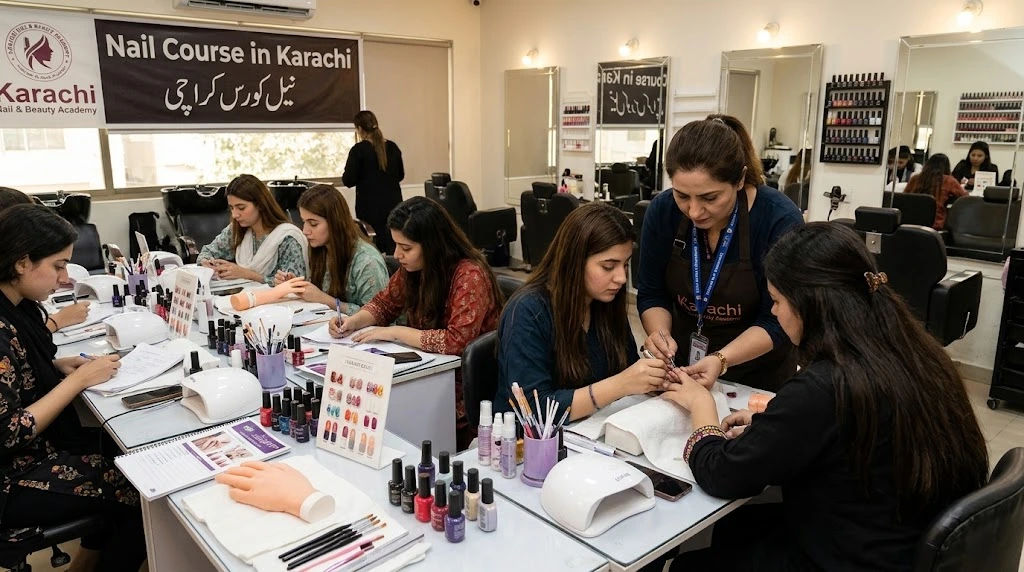 Enrolling in a nail course in Karachi can help beginners and aspiring nail technicians understand modern nail care methods, nail enhancement techniques, and creative nail art. These courses generally combine theoretical lessons with practical training so students can learn how to work with different nail products, tools, and equipment. The techniques covered may vary depending on the institute, course duration, and training level.
Whether someone wants to become a professional nail artist or simply improve their personal nail care skills, understanding the techniques taught during training is an important first step. Let's explore the major techniques students can learn and how these skills can support a successful career in the beauty industry.
1. Basic Nail Care Techniques
Basic nail care is one of the first subjects students learn during professional nail training. Before performing advanced treatments, students must understand how to maintain healthy nails and provide proper nail care services.
These techniques create a strong foundation for more complicated nail treatments.
Nail Cleaning and Preparation
Students learn how to clean natural nails before applying any products. Proper preparation helps remove dirt, oil, and leftover nail polish.
The process generally includes:
-
Removing old nail polish.
-
Cleaning the natural nail surface.
-
Washing and sanitizing hands.
-
Removing dirt from underneath the nails.
-
Preparing nails for further treatments.
Proper cleaning is important because unclean nails can affect the quality and durability of nail products.
Nail Shaping and Filing
Nail shaping is another essential technique taught during training. Students learn how to use different nail files to create attractive nail shapes.
Common nail shapes include:
-
Square.
-
Round.
-
Oval.
-
Almond.
-
Coffin.
-
Stiletto.
Each shape creates a different appearance. Students also learn how to select suitable shapes according to natural nail length and personal preferences.
2. Manicure Techniques
Manicures are among the most common services offered by nail salons. A professional nail technician should understand how to perform different manicure treatments.
A nail course in Karachi may introduce students to several manicure techniques, depending on the training program.
Classic Manicure
A classic manicure focuses on cleaning, shaping, and improving the appearance of natural nails.
Students generally learn to:
-
Remove existing nail polish.
-
Shape the nails.
-
Soften and manage the cuticles.
-
Clean the nail surface.
-
Apply suitable nail polish.
-
Finish with moisturizing products.
This treatment helps improve the appearance of hands and nails.
French Manicure
French manicures are popular because of their simple and elegant appearance. They usually feature a natural-looking base with white tips.
Students learn how to create clean and balanced white edges. They also practice controlling the polish brush to achieve smooth and consistent lines.
French manicures can be performed on natural nails and certain artificial nail enhancements.
Spa Manicure
Spa manicures provide additional care through exfoliation, moisturizing, and massage.
Students may learn techniques such as:
-
Hand exfoliation.
-
Moisturizing treatments.
-
Gentle hand massage.
-
Nail conditioning.
-
Application of nourishing creams.
These techniques help create a relaxing experience for salon clients.
3. Pedicure Techniques
Pedicure training focuses on maintaining clean, attractive, and well-groomed toenails.
Students learn how to perform different foot care treatments while following appropriate hygiene procedures.
Basic Pedicure
A basic pedicure generally includes soaking, cleaning, trimming, and shaping toenails.
Students learn how to use foot care tools correctly and how to provide comfortable treatments.
They also learn why personal hygiene and tool sanitation are important when working with clients.
Spa Pedicure
Spa pedicures involve additional treatments designed to improve the appearance and comfort of feet.
These may include:
-
Foot soaking.
-
Gentle exfoliation.
-
Moisturizing treatments.
-
Foot massage.
-
Nail polishing.
Students learn how to combine these services to provide a more complete salon experience.
Foot Scrubbing and Exfoliation
Exfoliation helps remove dead skin cells from the surface of the feet.
Students learn how to use suitable scrubs and exfoliating products without applying excessive pressure.
They should also understand when a client needs medical attention instead of a cosmetic pedicure, particularly when there are open wounds, infections, or unexplained skin changes.
4. Nail Art Techniques
Nail art is one of the most creative areas of professional nail training. It allows nail technicians to decorate nails using different colors, patterns, textures, and decorative materials.
Students interested in creative beauty services often enjoy this part of their education.
Simple Nail Art
Beginners usually start with basic designs before moving toward complicated artwork.
They may practice:
-
Dots.
-
Stripes.
-
Flowers.
-
Hearts.
-
Geometric patterns.
-
Simple color combinations.
These designs help students develop brush control and creativity.
Gradient and Ombre Nail Art
Ombre nail art involves blending two or more colors to create a smooth transition.
Students learn how to select complementary shades and blend them carefully.
Gradient techniques can create soft, stylish designs suitable for different occasions.
Glitter Nail Art
Glitter is commonly used to create attractive nail designs.
Students learn how to apply glitter evenly and combine it with different polish colors.
They also practice using glitter powders, decorative flakes, and other suitable nail art materials.
Stamping Techniques
Nail stamping is a decorative method that uses specially designed plates and stamping tools to transfer patterns onto nails.
Students learn how to apply stamping polish, pick up designs, and transfer them accurately.
This technique makes it possible to create detailed patterns without drawing every design manually.
5. Gel Nail Techniques
Gel nail applications are popular because they provide a glossy finish and can last longer than many traditional nail polish applications when applied and maintained correctly.
Professional training may include different gel nail techniques.
Gel Polish Application
Students learn how to prepare natural nails before applying gel polish.
The process generally involves:
-
Cleaning and preparing the nails.
-
Applying a suitable base coat.
-
Applying thin layers of gel polish.
-
Curing each layer under the recommended lamp.
-
Applying a top coat.
-
Completing the treatment according to product instructions.
Students also learn that gel products should not be allowed to cure on the surrounding skin because repeated exposure can cause allergic reactions.
Builder Gel Application
Builder gel is used to strengthen natural nails or create additional structure.
Students learn how to control the product, distribute it evenly, and build a balanced nail shape.
This technique requires patience and practice because incorrect application can create uneven or weak structures.
Gel Removal
Removing gel products safely is just as important as applying them.
Students learn that removal methods depend on the specific product being used. Some products can be soaked off, while others require careful filing.
They should avoid peeling or forcefully removing gel because this can damage the natural nail.
6. Acrylic Nail Extension Techniques
Acrylic nail extensions are widely used in professional nail salons. They allow clients to achieve longer nails with different shapes and designs.
Acrylic training usually requires significant practical experience.
Acrylic Powder and Liquid Application
Students learn how acrylic liquid and powder work together to form a workable product.
They practice creating an appropriate bead and applying it smoothly to the nail.
The main skills include:
-
Controlling the product consistency.
-
Using acrylic brushes correctly.
-
Applying the material evenly.
-
Creating balanced nail structures.
-
Refining the final shape.
Proper ventilation and product safety are also important because acrylic systems can produce strong fumes.
Nail Extensions
Students learn how to create longer nails using suitable extension methods.
Depending on the course, these may include nail tips or sculpting forms.
They practice attaching extensions, building the structure, and shaping the finished nail.
Acrylic Refills
As natural nails grow, acrylic enhancements develop a visible gap near the cuticle area.
Students learn how to perform maintenance services by preparing the grown-out area and restoring the nail structure.
Refills help maintain the appearance of acrylic extensions without removing the entire enhancement every time.
7. Nail Extensions and Different Nail Shapes
Nail extensions are an important part of advanced nail education.
Students learn how to create different lengths and shapes according to client preferences.
Nail Tips Application
Nail tips are artificial extensions attached to natural nails using suitable professional products.
Students practice selecting the correct tip size and attaching it securely.
They also learn how to blend the tip with the natural nail to create a smooth appearance.
Sculpted Nail Extensions
Sculpted extensions are created using forms placed underneath the natural nail.
The technician builds the extension using a suitable enhancement product.
This technique requires good control, accurate shaping, and an understanding of nail structure.
Advanced Nail Shapes
Professional students may practice creating:
-
Almond extensions.
-
Coffin extensions.
-
Square extensions.
-
Stiletto extensions.
-
Ballerina extensions.
Learning these shapes allows technicians to offer different styles and customized nail services.
8. Nail Polish Application Techniques
Applying nail polish correctly is a basic but important professional skill.
Students learn how to create smooth, even, and attractive finishes.
Traditional Nail Polish
Traditional polish is applied to natural nails and allowed to dry without UV or LED curing.
Students practice using appropriate amounts of polish and avoiding thick, uneven layers.
They also learn how to apply base coats and top coats to improve the finished appearance.
Color Combination Techniques
Choosing suitable colors is an important part of nail design.
Students learn about color combinations, contrast, and matching nail designs with different outfits and occasions.
Popular combinations may include:
-
Pink and white.
-
Red and gold.
-
Black and silver.
-
Nude and brown.
-
Blue and white.
Understanding color coordination helps nail artists create attractive designs for different clients.
9. Cuticle Care and Nail Preparation
Cuticle care is another important subject in professional nail education.
Students learn how to prepare the area around the natural nail without causing unnecessary damage.
Cuticle Cleaning
Students practice using appropriate cuticle tools and products.
They learn the difference between gently managing excess dead cuticle tissue and damaging the living skin surrounding the nail.
Aggressive cutting should be avoided because it can cause injuries and increase infection risks.
Nail Buffing
Buffing helps smooth the natural nail surface when performed appropriately.
Students learn how to select suitable buffers and avoid excessive filing.
Over-buffing can weaken natural nails, so understanding the correct technique is essential.
10. Nail Repair and Maintenance Techniques
Professional nail technicians must understand how to maintain nail enhancements and deal with common cosmetic problems.
A comprehensive nail course in Karachi may include different nail repair techniques to prepare students for everyday salon situations.
Broken Nail Repair
Students learn how to handle minor cosmetic breaks in natural nails and artificial enhancements.
Depending on the condition, they may practice using suitable repair products and reinforcement techniques.
However, painful injuries, bleeding, and suspected infections should be referred to an appropriate healthcare professional.
Nail Strengthening
Some clients have naturally weak or brittle nails.
Students learn about strengthening products and protective treatments designed to improve nail appearance and support nail maintenance.
They should also understand that cosmetic products cannot treat every underlying nail problem.
Nail Enhancement Maintenance
Maintenance involves checking the condition of artificial nails, identifying lifting, and performing appropriate repairs or refills.
Students learn how to maintain a clean and balanced appearance while protecting the natural nail.
11. Hygiene and Safety Techniques
Hygiene is one of the most important parts of professional nail training.
A nail technician works closely with clients, tools, skin, and natural nails. Therefore, proper safety procedures are essential.
Tool Cleaning and Disinfection
Students learn how to clean and disinfect reusable tools according to appropriate professional standards.
They also learn that cleaning and disinfection are different processes.
Reusable implements should be cleaned before disinfection, while single-use items should be discarded after use.
Personal Hygiene
Professional nail technicians should maintain clean hands and workstations.
Important practices include:
-
Washing hands before and after services.
-
Using clean towels.
-
Wearing appropriate protective equipment.
-
Keeping products properly stored.
-
Avoiding shared contaminated tools.
-
Maintaining good ventilation.
Recognizing Nail Problems
Students should learn how to recognize visible signs that may indicate nail infections or other health concerns.
For example, unusual discoloration, swelling, pain, and changes in nail texture may require professional medical evaluation.
A nail technician should not diagnose or treat medical conditions.
12. Professional Client Consultation Skills
Technical ability is important, but communication also plays a major role in professional nail services.
Students learn how to understand client preferences and recommend appropriate cosmetic treatments.
Understanding Client Requirements
Before starting a treatment, a technician should discuss the client's preferred nail shape, length, color, and design.
This helps prevent misunderstandings and improves customer satisfaction.
Recommending Suitable Services
Different clients have different nail conditions and preferences.
Students learn how to explain available services and recommend suitable options based on the client's needs.
They should also explain maintenance requirements and possible limitations.
Managing Appointments
Professional training may introduce basic salon management skills.
Students learn how to organize appointments, manage service timings, and maintain a professional relationship with clients.
These skills are particularly useful for people who want to establish their own nail business.
13. Practical Training and Hands-On Experience
Practical training is essential because nail techniques cannot be mastered through theory alone.
Students need regular practice to improve their confidence, accuracy, and speed.
A quality nail course in Karachi should provide opportunities to practice different treatments under the supervision of experienced instructors.
Practicing on Training Hands
Beginners may initially practice on artificial training hands or practice tips.
This helps them understand nail shaping, polish application, and basic nail art without working directly on clients.
Working on Real Models
As students improve, they may get opportunities to practice on real models under supervision.
This allows them to understand natural nail differences, client communication, and the practical challenges of salon work.
Building a Portfolio
Students can photograph their completed nail designs and treatments to create a professional portfolio.
A portfolio helps demonstrate their skills to potential employers and customers.
It can also be useful when promoting services through social media.
14. How to Choose the Right Nail Training Course
Not every training institute offers the same subjects or practical opportunities.
Before enrolling, students should carefully compare available programs.
Check the Course Curriculum
Ask the institute which techniques are included in the training.
A useful curriculum should cover basic nail care, manicures, pedicures, nail art, and relevant enhancement techniques.
Advanced courses may also include acrylics, builder gels, extensions, and professional maintenance.
Ask About Practical Classes
Students should find out how much time is dedicated to hands-on practice.
A course with regular practical sessions can help students develop technical confidence.
It is also helpful to ask whether training materials and equipment are included in the fee.
Review Instructor Experience
Experienced instructors can explain techniques, correct mistakes, and demonstrate professional working methods.
Students should look for institutes that provide individual guidance and constructive feedback.
Understand Certification
Before joining, ask whether the institute provides a certificate after successful completion.
Students should also check what the certificate represents and whether it is recognized by relevant employers or professional organizations.
15. Career Opportunities After Learning Nail Techniques
Learning professional nail techniques can open different career opportunities in the beauty industry.
Students can choose employment or independent work depending on their interests and experience.
Working in a Nail Salon
One option is to work as a nail technician in an established salon.
This provides opportunities to gain practical experience, interact with clients, and improve technical skills.
Starting a Home-Based Nail Business
Some trained technicians choose to offer nail services from home.
This can be a practical starting point for people who want to build a customer base without immediately renting commercial space.
However, maintaining hygiene, purchasing quality equipment, and following local business requirements remain important.
Becoming a Freelance Nail Artist
Freelance nail artists may provide services for weddings, parties, special occasions, and personal appointments.
They can promote their work through social media and build relationships with regular clients.
Teaching Nail Art
With sufficient professional experience and appropriate qualifications, skilled technicians may eventually explore teaching opportunities.
They can help beginners learn basic nail care and advanced decorative techniques.
Conclusion
Professional nail training covers much more than applying nail polish or decorating natural nails. It introduces students to a wide range of techniques, including manicures, pedicures, nail shaping, gel applications, acrylic extensions, nail art, cuticle care, and nail maintenance. Students also learn about hygiene, product safety, client communication, and professional salon practices.
Choosing a nail course in Karachi can be a valuable step for anyone interested in developing professional beauty skills. However, the quality of training depends on the curriculum, instructor experience, practical sessions, and equipment provided by the institute. Students should carefully review these factors before making their decision.
Beginners should focus on mastering basic nail care and preparation before moving toward advanced techniques. Regular practice, patience, and attention to detail can gradually improve their performance. Learning how to work safely with different nail products is equally important because professional services should protect both the client and the technician.
With proper education and consistent practice, students can explore opportunities in nail salons, freelance services, home-based businesses, and other areas of the beauty industry. The most important thing is to continue improving skills, understand changing nail trends, and provide reliable services. A strong foundation in nail techniques can help aspiring nail technicians build confidence and develop a rewarding career.