

Decorating a home is about creating an atmosphere that reflects personality, memories, and personal taste. Among the many ways to add character to interior spaces, italy prints bring a unique combination of culture, history, beauty, and artistic charm.
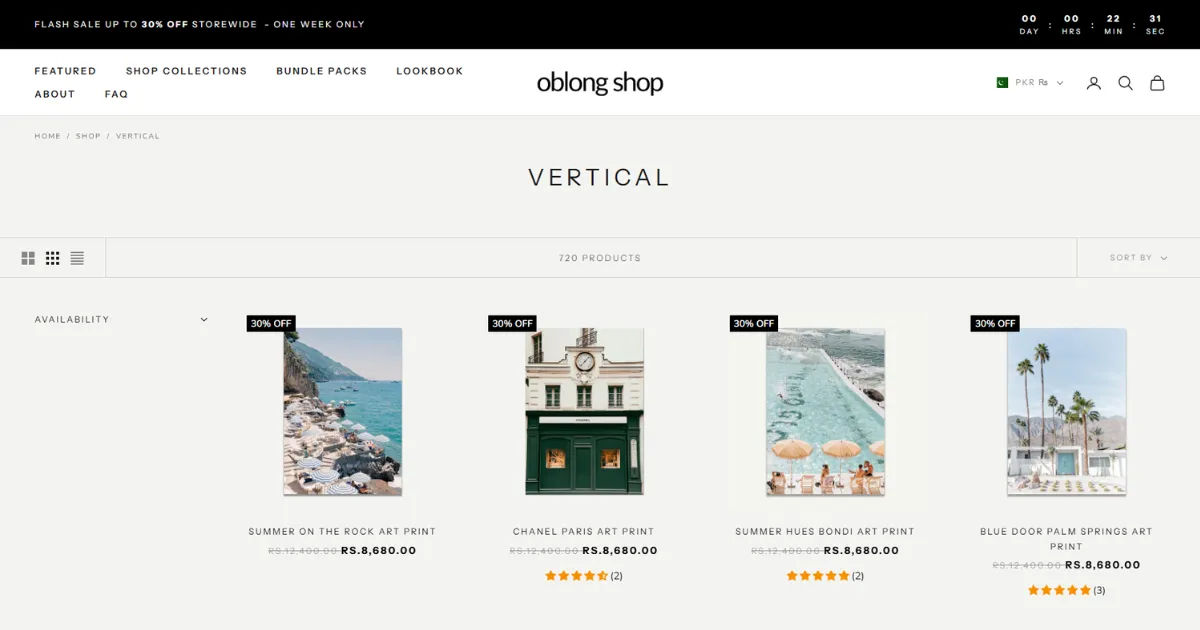
Whether they feature Italian landscapes, famous landmarks, vintage travel designs, or classic European artwork, these prints can transform plain walls into meaningful focal points.Choosing the right place to display italy prints is just as important as selecting the artwork itself. The location, wall size, lighting, and surrounding furniture all influence how the artwork looks and feels within a room.
A carefully positioned print can make a small area appear more elegant, create visual balance, and add a sense of sophistication to everyday living spaces.This guide explains the best places to hang Italian-inspired artwork at home and how to create beautiful displays that enhance your interior design.
Living Room Walls
The living room is one of the most popular areas for displaying artwork because it is often the main gathering space in a home. A large empty wall above a sofa, fireplace, or entertainment unit can become the perfect location for italy prints.
When hanging artwork above a sofa, choose a size that complements the furniture. A print that is too small may look disconnected, while an oversized piece can dominate the entire room. The artwork should usually be around two-thirds the width of the sofa to create a balanced appearance.
Italian city scenes, Tuscan countryside views, or architectural artwork work especially well in living rooms because they create a welcoming and sophisticated environment. These designs can become conversation pieces while adding warmth to the space.
For a modern living room, choose simple frames and clean designs. For traditional interiors, decorative frames with classic details can highlight the historical beauty often associated with Italian art.
Above the Dining Area
The dining room is another excellent place to showcase italy prints. Food, culture, and hospitality are deeply connected with Italian traditions, making Italian-inspired artwork a natural choice for dining spaces.
Artwork featuring Italian vineyards, coastal villages, cafés, or Mediterranean landscapes can create a relaxing atmosphere during meals. Hanging prints near the dining table helps create a more inviting environment and gives the room a finished appearance.
When selecting artwork for this area, consider colors already present in your dining furniture and decorations. Warm tones such as beige, olive, terracotta, and soft gold can complement many dining room styles.
A collection of smaller prints arranged together can also work beautifully. A gallery wall featuring different Italian locations can tell a visual story and make the dining area feel more personalized.
Entryway and Hallways
The entryway creates the first impression of your home, so it is an ideal place to display meaningful artwork. Italy prints in hallways and entrance areas can immediately introduce guests to your style and personality.
Narrow hallways often have unused wall space that can benefit from artwork. Vertical prints are especially useful because they fit naturally into tall, narrow areas while adding height and elegance.
A hallway gallery featuring Italian streets, famous buildings, or travel-inspired designs can turn a simple passage into an artistic journey. Use consistent frames or matching colors to create a professional and organized look.
In an entryway, choose artwork that feels welcoming. Pictures of beautiful Italian landscapes or charming villages can create a sense of warmth as people enter the home.
Bedroom Decoration
Bedrooms should feel peaceful and comfortable, making them another suitable location for italy prints. The artwork chosen for this space should support relaxation rather than create visual clutter.
A large Italian landscape above the bed can serve as a calming focal point. Coastal scenes, countryside views, and soft watercolor-style artwork can bring a peaceful feeling to the room.
For smaller bedrooms, consider placing prints on side walls, above a dresser, or near a reading corner. These locations allow the artwork to enhance the room without overwhelming the sleeping area.
Neutral-colored Italian artwork works well with minimalist bedroom designs, while colorful prints can add personality to simpler spaces.
Home Office or Study Area
A home office should encourage creativity and focus. Displaying italy prints in a workspace can add inspiration and create a more enjoyable environment.
Italian architecture, historic libraries, artistic streets, or travel-themed designs can provide visual interest without distracting from work activities. Placing artwork behind a desk can create an attractive background for online meetings as well.
The right artwork can also make a home office feel less like a temporary workspace and more like a carefully designed part of the home.
Kitchen and Breakfast Spaces
Many homeowners overlook the kitchen when decorating walls, but this area can benefit greatly from artwork. Italian culture has a strong connection with food, making kitchen spaces a natural place for Italian-themed designs.
Small italy prints featuring coffee shops, Italian markets, herbs, wine regions, or traditional food themes can add charm to kitchen walls.
Place artwork above countertops, breakfast tables, or open wall areas where it can be easily seen. Make sure the prints are protected from heat, moisture, and cooking splashes by choosing suitable frames.
Bathroom Walls
Bathrooms can also become stylish spaces with the right artwork. Small Italian coastal scenes or elegant architectural prints can create a spa-like atmosphere.
Since bathrooms usually have limited wall space, smaller pieces are often more effective. Choose moisture-resistant frames and avoid placing valuable artwork directly near areas exposed to water.
Italian seaside artwork can work particularly well in bathrooms because it creates a fresh and relaxing feeling.
Creating a Gallery Wall
A gallery wall is a creative way to display multiple pieces together. Instead of hanging one large artwork, homeowners can combine different italy prints to create a personalized collection.
A successful gallery wall requires planning. Arrange the pieces on the floor first to test different layouts before placing them on the wall.
You can mix different sizes, but maintaining a connection through similar frames, colors, or themes helps the display look organized. A collection of Italian landmarks, landscapes, and cultural images can create a stylish travel-inspired feature wall.
Choosing the Correct Height
The height at which artwork is displayed affects how comfortable and balanced a room feels. Artwork should generally be hung at eye level so viewers can appreciate the details without looking too high or too low.
For most homes, the center of the artwork should be around 57 to 60 inches from the floor. However, furniture placement should also be considered.
When placing artwork above furniture, leave enough space between the furniture and the frame. This prevents the artwork from appearing crowded and allows each element to stand out.
Considering Lighting
Lighting plays an important role in how artwork appears. Even the most beautiful italy prints may lose their impact if they are placed in a dark area.
Natural light can enhance colors, but direct sunlight may damage artwork over time. Use curtains, protective glass, or UV-resistant framing when necessary.
Accent lighting, such as wall lights or picture lights, can highlight artwork and make it a stronger feature in the room.
Matching Artwork With Interior Style
The best placement for artwork depends on the overall design style of your home. Italian artwork can fit into many different interiors when chosen carefully.
Modern homes often benefit from minimal Italian photography or abstract designs. Traditional homes may look better with classic landscapes, vintage posters, or detailed architectural artwork.
The goal is to create harmony between the artwork and the surrounding environment. A well-placed print should feel like a natural part of the room rather than an added decoration.
Conclusion
Selecting where to hang artwork requires thoughtful consideration of space, furniture, lighting, and personal style. Italy prints can bring elegance, culture, and artistic beauty into almost any room when displayed correctly.
Living rooms, dining areas, bedrooms, offices, hallways, kitchens, and bathrooms all provide opportunities to showcase Italian-inspired designs. The key is choosing a location where the artwork can be appreciated while complementing the existing décor.
Whether you prefer peaceful landscapes, historic architecture, or travel-inspired designs, the right placement can make your artwork more impactful. By understanding scale, height, lighting, and arrangement, you can create a home environment that feels stylish and connected to the timeless beauty of Italy.
A carefully displayed collection of italy prints does more than decorate walls. It creates emotion, tells stories, and brings a touch of Italian charm into everyday living.