
The hemp industry has grown rapidly in recent years. Products such as gummies, vapes, oils, tinctures, and disposable devices are now widely available online and in stores across many regions.
One product often discussed in the market is the Lost THC V3 7.5 Gram Live Resin Blend Disposable, which reflects the growing popularity of hemp-derived vaping products among adults.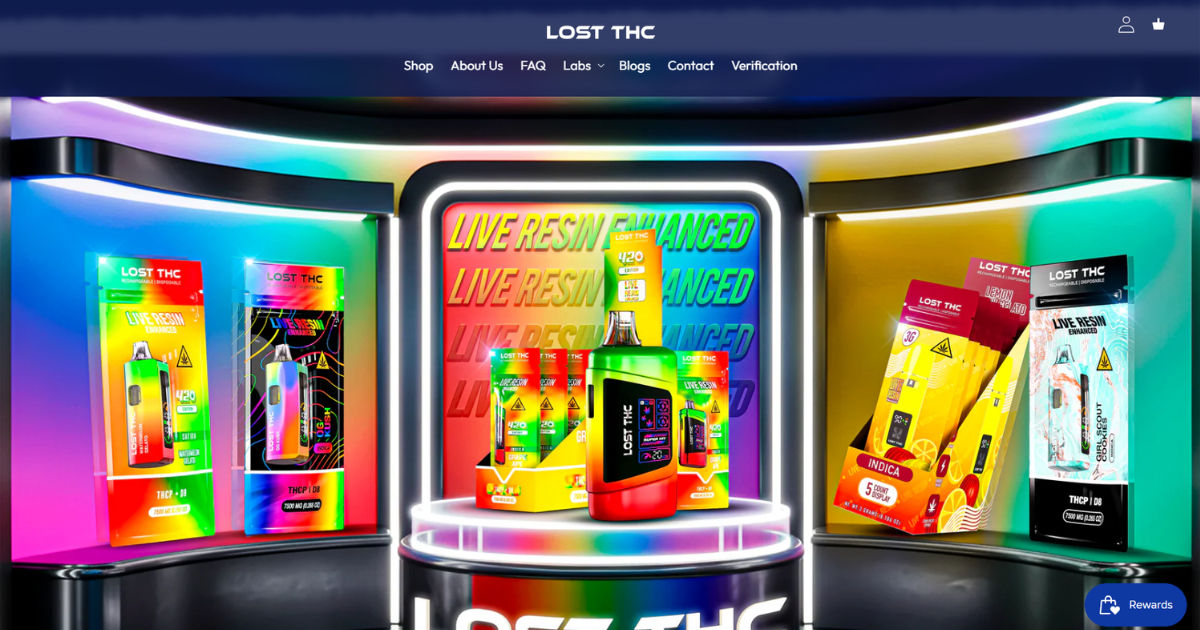
However, regulators are becoming increasingly concerned about how products like the Lost THC V3 7.5 Gram Live Resin Blend Disposable may appeal to younger audiences.
As hemp products become easier to purchase, lawmakers, health officials, schools, and parents are asking important questions about youth exposure. Many regulators believe that flavored products, colorful packaging, social media advertising, and easy online access could increase the likelihood of underage experimentation. The Lost THC V3 7.5 Gram Live Resin Blend Disposable and similar devices are part of a larger conversation about safety, education, labeling, and responsible sales practices.
This guide explains why regulators are worried about youth access to hemp products, what risks experts are studying, how the industry is changing, and what policies are being considered to protect young consumers.
Hemp Products
Hemp products come from the cannabis plant. Federal law in the United States generally defines hemp as cannabis containing less than 0.3% Delta-9 THC by dry weight. Although hemp is legally different from marijuana in many places, some hemp-derived products may still contain cannabinoids that can affect mood, perception, and behavior.
Products now available on the market include:
- Gummies
- Drinks
- Oils
- Capsules
- Disposable vape devices
- Flower products
- Concentrates
- Live resin blends
Devices such as the Lost THC V3 7.5 Gram Live Resin Blend Disposable have become popular because they are portable, convenient, and easy to use. Regulators are concerned that these same features may also make hemp products attractive to teenagers.
The hemp market has expanded faster than many laws and regulations. As a result, some states are still trying to determine how these products should be tested, packaged, advertised, and sold.
Why Youth Access Is a Major Concern
Health officials and lawmakers often focus on protecting minors from products that may impact developing brains and bodies. Regulators believe that youth exposure to hemp products could create public health concerns similar to those seen with nicotine vaping.
Products such as the Lost THC V3 7.5 Gram Live Resin Blend Disposable may contain cannabinoids that produce psychoactive effects. Researchers continue to study how these substances may affect adolescents over time.
Several major concerns drive regulatory action.
Brain Development Risks
The human brain continues developing into the mid-20s. Experts worry that psychoactive cannabinoids could interfere with memory, learning, concentration, emotional regulation, and decision-making during adolescence.
Some studies suggest frequent cannabinoid exposure during teenage years may affect:
- Attention span
- Academic performance
- Motivation
- Mood stability
- Cognitive development
Regulators argue that limiting youth access can reduce these potential risks.
Increasing Popularity Among Teens
Many regulators fear that hemp-derived vaping products are becoming normalized among younger consumers. Disposable vape devices are often compact and easy to hide.
Products such as the Lost THC V3 7.5 Gram Live Resin Blend Disposable are marketed in ways that may appear modern, trendy, or appealing to younger audiences. Even when companies target adults, youth may still encounter advertisements through social media, influencer culture, or peer sharing.
Teen use becomes more concerning when products are purchased without strict age verification.
Attractive Flavors and Packaging
Flavoring is another major issue. Sweet, fruity, or dessert-inspired flavors may appeal strongly to younger users.
Regulators have already seen this issue with nicotine e-cigarettes. Now, they are examining whether hemp-derived products may create similar problems.
The Lost THC V3 7.5 Gram Live Resin Blend Disposable and other vape products are often sold in visually appealing packaging. Bright colors, sleek designs, and flavor-focused branding can increase curiosity among adolescents.
Some regulators argue that packaging should look more neutral and include stronger warning labels.
Concerns About Product Potency
Another major issue is potency. Some hemp-derived products contain concentrated cannabinoids.
Disposable vape devices may deliver cannabinoids quickly because inhalation allows compounds to enter the bloodstream rapidly. Regulators worry that young users may consume more than intended without understanding potency levels.
Products such as the Lost THC V3 7.5 Gram Live Resin Blend Disposable may contain blends of cannabinoids and live resin extracts. Without proper education, inexperienced users may not fully understand dosage, effects, or safe consumption limits.
Some policymakers believe stronger potency regulations are necessary to protect minors.
Lack of Consumer Awareness
Many adults and teenagers assume hemp products are automatically safe because they are legally sold in stores.
However, regulators emphasize that legal availability does not always mean a product is risk-free. Young people may misunderstand the difference between hemp and non-intoxicating wellness products.
For example, a teenager may see the Lost THC V3 7.5 Gram Live Resin Blend Disposable marketed online and assume it is harmless simply because it is hemp-derived.
Regulators believe clearer education is needed so consumers understand:
- What cannabinoids are present
- Whether a product is psychoactive
- Appropriate age restrictions
- Potential side effects
- Safe storage requirements
Online Sales and Easy Access
One of the biggest challenges regulators face is online purchasing.
Many hemp products can be ordered online and delivered directly to homes. Regulators worry that weak age verification systems may allow minors to access products more easily.
Products like the Lost THC V3 7.5 Gram Live Resin Blend Disposable are often sold through online retailers, which increases convenience for adult consumers but also creates enforcement challenges.
Some websites only require users to click a button confirming they are over 21.
Lawmakers argue stronger digital verification systems may help reduce underage purchases.
Social Media Influence
Social media plays a major role in shaping trends among teenagers.
Regulators are closely watching how hemp products are promoted online. Influencer marketing, viral videos, and lifestyle content can increase youth interest.
The Lost THC V3 7.5 Gram Live Resin Blend Disposable and similar products may appear in videos, product reviews, or online discussions that teenagers can easily access.
Some concerns include:
- Influencers promoting products without age disclaimers
- Youth-targeted imagery
- Misleading health claims
- Viral product challenges
- Glamourized vaping culture
Many policymakers believe stricter advertising standards are needed for hemp brands.
The Challenge of Inconsistent Laws
Hemp regulations vary significantly between states and countries.
Some regions heavily regulate hemp-derived cannabinoids, while others have fewer restrictions. This inconsistency creates confusion for businesses, consumers, parents, and schools.
A product such as the Lost THC V3 7.5 Gram Live Resin Blend Disposable may be legal in one state but restricted in another.
Because laws differ, regulators often struggle with:
- Product testing standards
- Age restrictions
- Labeling rules
- Licensing requirements
- Advertising policies
- THC limits
Many experts believe more consistent regulations could improve safety and reduce youth exposure.
School and Parent Concerns
Schools across many communities are reporting increased concerns about vaping products.
Some educators say disposable devices are difficult to detect because they are compact and produce less odor than traditional smoking products.
Parents also worry that products like the Lost THC V3 7.5 Gram Live Resin Blend Disposable may be misunderstood by teenagers who assume hemp products are harmless.
Family concerns often include:
- Addiction risks
- Behavioral changes
- Academic performance
- Mental health impacts
- Peer pressure
- Unknown ingredients
As awareness grows, more parents are asking for educational programs and stricter enforcement.
Product Testing and Safety Issues
Regulators are not only concerned about cannabinoids themselves. They are also focused on product quality and contamination.
Some hemp-derived products may contain:
- Heavy metals
- Pesticides
- Residual solvents
- Unlisted cannabinoids
- Inaccurate potency labels
Without strong oversight, consumers may not know exactly what they are using.
Products such as the Lost THC V3 7.5 Gram Live Resin Blend Disposable may vary depending on manufacturing standards and testing requirements.
Regulators argue that mandatory third-party lab testing is essential for consumer safety.
Misleading Marketing Claims
Another major issue involves marketing language.
Some hemp brands have made claims suggesting products can treat anxiety, depression, stress, or medical conditions without scientific approval.
Regulators worry that teenagers may be especially vulnerable to persuasive health claims.
The Lost THC V3 7.5 Gram Live Resin Blend Disposable and similar products should be marketed responsibly with accurate information and proper warnings.
Government agencies continue monitoring companies that make unsupported medical claims.
The Role of Flavor Bans
Several states are considering or implementing flavor restrictions for vaping products.
Supporters of flavor bans argue that sweet flavors increase youth interest. Critics argue that adults also prefer flavored products and should retain access.
The debate affects products such as the Lost THC V3 7.5 Gram Live Resin Blend Disposable because flavored disposable devices are a major part of the hemp vape market.
Regulators must balance:
- Adult consumer freedom
- Business interests
- Public health goals
- Youth protection efforts
This issue remains highly controversial.
Public Health Perspectives
Public health experts often compare the hemp industry to the early stages of the nicotine vaping industry.
Initially, many nicotine vape products were viewed as less harmful alternatives for adults. However, youth vaping rates later increased significantly.
Regulators want to avoid repeating similar mistakes with hemp-derived products.
The Lost THC V3 7.5 Gram Live Resin Blend Disposable represents a category of products receiving increased attention because disposable vape devices have historically attracted younger users.
Health officials believe early intervention may prevent larger youth-use problems in the future.
Industry Responsibility
Many responsible hemp companies support stronger age restrictions and safety standards.
Industry leaders understand that protecting minors is important for the long-term future of the hemp market.
Businesses selling products like the Lost THC V3 7.5 Gram Live Resin Blend Disposable may adopt policies such as:
- Age verification systems
- Child-resistant packaging
- Clear labeling
- Third-party testing
- Responsible advertising
- Retail training programs
These efforts may help build trust with regulators and consumers.
How Retailers Can Reduce Youth Access
Retailers play a critical role in preventing underage sales.
Stores selling the Lost THC V3 7.5 Gram Live Resin Blend Disposable and other hemp products are increasingly expected to follow strict compliance measures.
Best practices include:
Strong ID Verification
Retailers should check government-issued identification for all customers purchasing age-restricted products.
Employee Training
Staff should understand local laws and know how to identify fake IDs.
Secure Product Placement
Keeping products behind counters can reduce theft and unauthorized access.
Responsible Advertising
Stores should avoid youth-oriented displays or promotional materials.
Online Compliance Systems
Digital verification tools can help reduce underage online purchases.
The Debate Around Hemp-Derived Cannabinoids
The hemp market includes many cannabinoids beyond traditional Delta-9 THC.
Some products contain:
- Delta-8 THC
- Delta-10 THC
- THC blends
- HHC
- THCP
- Live resin extracts
Regulators worry that some consumers may not understand the strength or effects of these compounds.
The Lost THC V3 7.5 Gram Live Resin Blend Disposable is part of a broader category of blended cannabinoid products that lawmakers are currently reviewing.
Because research is still evolving, some officials believe cautious regulation is necessary.
Why Labeling Matters
Accurate labeling helps consumers make informed decisions.
Regulators want products like the Lost THC V3 7.5 Gram Live Resin Blend Disposable to include:
- Cannabinoid content
- Ingredient lists
- Warning statements
- Usage instructions
- Batch numbers
- Lab testing information
Clear labeling may reduce accidental misuse and improve transparency.
Youth Education Programs
Many experts believe education is just as important as regulation.
Schools, healthcare providers, and community organizations are developing programs to teach teenagers about hemp-derived products.
Education topics may include:
- Brain development
- Peer pressure
- Vaping risks
- Responsible decision-making
- Reading product labels
- Understanding marketing tactics
Programs discussing products such as the Lost THC V3 7.5 Gram Live Resin Blend Disposable often focus on helping students critically evaluate advertising and social media influence.
Healthcare Professional Concerns
Doctors and mental health professionals are also monitoring youth cannabinoid use.
Some healthcare providers worry that frequent use during adolescence could affect mental wellness, especially for individuals already vulnerable to anxiety or mood disorders.
Emergency rooms in some areas have reported cases involving accidental overconsumption of hemp-derived products.
Products such as the Lost THC V3 7.5 Gram Live Resin Blend Disposable may deliver concentrated cannabinoids quickly, which increases the importance of consumer education.
Healthcare professionals often recommend keeping all hemp products stored securely away from children and teenagers.
Future Regulatory Trends
The hemp industry is likely to see stronger oversight in coming years.
Potential future regulations may include:
- National age restrictions
- Potency limits
- Flavor restrictions
- Advertising rules
- Mandatory testing standards
- Packaging requirements
- Online sales regulations
- Licensing systems
Products like the Lost THC V3 7.5 Gram Live Resin Blend Disposable may eventually face stricter compliance standards depending on future legislation.
Many policymakers believe proactive regulation could help support a safer and more sustainable hemp market.
Balancing Consumer Freedom and Public Safety
One of the biggest challenges regulators face is balancing adult freedom with youth protection.
Many adults legally use hemp-derived products for relaxation, wellness, or recreational purposes. Consumers may view products such as the Lost THC V3 7.5 Gram Live Resin Blend Disposable as convenient options within a legal marketplace.
At the same time, regulators have a responsibility to reduce youth exposure and promote public health.
This balance requires thoughtful policymaking that considers:
- Scientific research
- Consumer rights
- Business growth
- Youth safety
- Public education
- Market transparency
The discussion remains complex because the hemp industry continues evolving rapidly.
Community Awareness and Prevention
Communities are increasingly working together to address youth access concerns.
Parents, schools, healthcare providers, businesses, and lawmakers all play important roles.
Efforts may include:
- Public awareness campaigns
- Community workshops
- School prevention programs
- Responsible retail partnerships
- Better communication between parents and teens
Conversations about products such as the Lost THC V3 7.5 Gram Live Resin Blend Disposable are becoming part of broader discussions about substance awareness and youth wellness.
The Importance of Research
Scientific research remains essential for effective regulation.
Because the hemp market is still relatively new, researchers continue studying:
- Long-term effects
- Adolescent exposure risks
- Safe dosage levels
- Product consistency
- Behavioral trends
- Public health outcomes
Regulators rely on evolving scientific evidence to guide decisions.
The Lost THC V3 7.5 Gram Live Resin Blend Disposable and other hemp-derived products may become part of future studies examining vaping behaviors, cannabinoid exposure, and youth prevention strategies.
Conclusion
Regulators are concerned about youth access to hemp products because the industry is growing quickly while research, laws, and safety systems are still developing. Products such as the Lost THC V3 7.5 Gram Live Resin Blend Disposable have become highly visible in the marketplace, raising questions about advertising practices, age verification, flavoring, product potency, and consumer education.
Health officials worry that teenagers may be especially vulnerable to the appeal of disposable vape products, social media marketing, and flavored cannabinoid blends. Concerns about brain development, academic performance, mental wellness, and accidental overuse continue driving regulatory discussions.
At the same time, many adults legally purchase hemp-derived products and support responsible access within regulated markets. This creates a difficult challenge for lawmakers trying to balance consumer freedom with youth protection.
The future of the hemp industry will likely depend on stronger testing standards, clearer labeling, better education, responsible marketing, and stricter age verification systems. Products like the Lost THC V3 7.5 Gram Live Resin Blend Disposable will probably remain central to debates about how hemp products should be regulated and sold.
Ultimately, protecting young consumers requires cooperation between regulators, businesses, parents, educators, healthcare professionals, and communities. With thoughtful policies and informed public awareness, the hemp market can continue evolving while reducing risks for underage users.
About the Author
