

IPTV has changed the way people watch television by allowing users to stream live channels, movies, and shows through an internet connection. However, one common problem many viewers experience is losing connection while watching their favorite content.
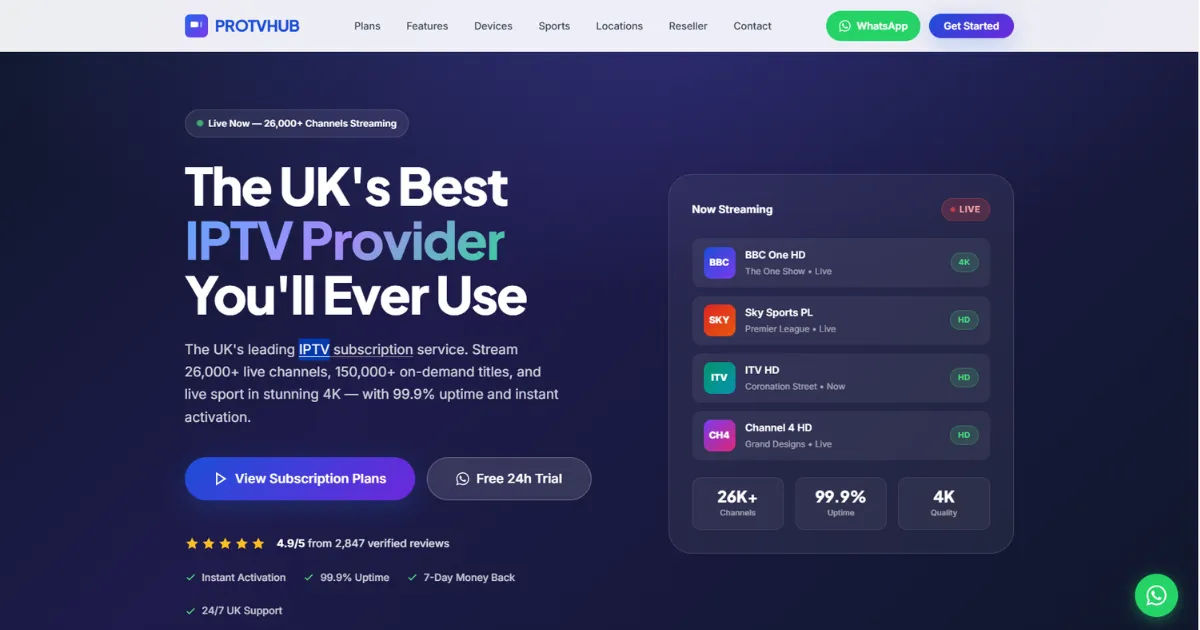
A stable streaming experience depends on several factors, including internet speed, device performance, network settings, and service quality. Platforms like Pro TV Hub focus on providing a smoother viewing experience, but connection issues can still happen because IPTV relies heavily on internet technology.
Understanding why IPTV loses connection can help users quickly identify problems and find effective solutions. Whether the issue is buffering, freezing, sudden disconnection, or poor video quality, most problems can be fixed with the right troubleshooting steps.This comprehensive guide explains the main reasons IPTV connections fail and provides practical solutions to improve streaming performance.
How IPTV Works
IPTV delivers television content through internet networks instead of traditional cable or satellite systems. When a user selects a channel, the IPTV service sends video data through the internet to the streaming device.
The quality of this process depends on several important elements:
-
Internet speed
-
Network stability
-
IPTV server performance
-
Streaming device capability
-
Application settings
-
Router performance
If any of these areas experience problems, IPTV may lose connection or stop working properly.
Services such as Pro TV Hub depend on a strong connection between the streaming server and the user's device. A weak connection anywhere in this chain can interrupt the viewing experience.
Common Reasons Why IPTV Loses Connection
Slow or Unstable Internet Connection
The most common reason IPTV loses connection is an unstable internet connection. IPTV requires continuous data transfer, especially when streaming high-definition or 4K content.
A slow connection may cause:
-
Video freezing
-
Channel interruptions
-
Buffering issues
-
Automatic disconnection
Many users focus only on download speed, but stability is equally important. A connection that frequently drops for a few seconds can interrupt IPTV streaming even if the average speed appears high.
For smooth IPTV performance, users should test their internet connection and make sure their network can handle streaming requirements.
Insufficient Internet Speed
Different video qualities require different internet speeds. Standard-definition channels need less bandwidth, while HD and 4K channels require much faster connections.
Recommended speeds usually include:
-
SD streaming: 5 Mbps or more
-
HD streaming: 10 Mbps or more
-
Full HD streaming: 15 Mbps or more
-
4K streaming: 25 Mbps or more
If multiple devices are using the same internet connection, available bandwidth becomes lower. For example, downloading large files, playing online games, or using video calls can affect IPTV performance.
A reliable service like Pro TV Hub works best when users provide enough internet capacity for uninterrupted streaming.
Wi-Fi Signal Problems
Wireless connections are convenient, but Wi-Fi signals can become weak because of distance, walls, or interference from other devices.
Common Wi-Fi issues include:
-
Router placed too far from the IPTV device
-
Too many connected devices
-
Signal interference
-
Old router technology
Moving the router closer to the streaming device or using a wired Ethernet connection can often solve connection problems.
An Ethernet cable provides a more stable connection because it avoids many wireless interruptions.
Router or Modem Issues
The router manages communication between your internet provider and your devices. When the router has problems, IPTV performance can suffer.
Common router problems include:
-
Overheating
-
Old firmware
-
Too much network traffic
-
Temporary system errors
Restarting the router can refresh the connection and remove temporary problems.
Users should also check whether their router supports modern streaming requirements. Older routers may struggle with multiple devices and high-quality IPTV streams.
IPTV Server Problems
Sometimes the issue is not related to the user's internet connection. IPTV providers use servers to deliver channels, and server problems can affect many users at the same time.
Server-related issues may include:
-
Maintenance work
-
Technical failures
-
High user traffic
-
Server overload
When the IPTV server experiences problems, users may notice multiple channels disconnecting or failing to load.
Reliable providers like Pro TV Hub work to maintain better server performance, but temporary service interruptions can still occur.
Device Performance Issues
The device used for IPTV streaming also affects connection quality. Smart TVs, Android boxes, smartphones, and computers all have different processing abilities.
Older devices may experience:
-
Application crashes
-
Slow loading
-
Freezing
-
Random disconnections
Keeping the device updated and removing unnecessary applications can improve performance.
A device with enough memory and processing power provides a smoother IPTV experience.
IPTV Application Problems
The IPTV application acts as a connection between the service and the device. If the app has errors, IPTV may lose connection.
Possible application issues include:
-
Outdated software
-
Corrupted settings
-
Incorrect login information
-
Cache problems
Users should regularly update their IPTV application and clear unnecessary stored data.
Using a compatible and properly configured application helps services like Pro TV Hub perform better.
Too Many Devices Using the Same Network
A home network can become overloaded when many devices connect at the same time.
Examples include:
-
Smartphones downloading updates
-
Computers uploading files
-
Gaming consoles using bandwidth
-
Other TVs streaming videos
Every connected device consumes part of the available internet capacity.
Reducing unnecessary network usage can improve IPTV stability.
Incorrect IPTV Settings
Incorrect settings inside the IPTV application can also cause connection problems.
Important settings include:
-
Buffer size
-
Video quality
-
Player selection
-
Network configuration
Sometimes lowering video quality can improve stability when internet speed is limited.
Users should review application settings and adjust them according to their network conditions.
Cache and Temporary Data Problems
Applications store temporary files to improve performance. However, too much stored data can create problems.
A full cache may cause:
-
Slow application response
-
Playback errors
-
Connection failures
Clearing the IPTV application's cache can help restore normal performance.
This simple solution often fixes problems without requiring advanced technical knowledge.
How to Fix IPTV Connection Problems
Restart Your Equipment
The first troubleshooting step is restarting your devices.
Follow these steps:
-
Turn off your IPTV device.
-
Disconnect your router from power.
-
Wait for one minute.
-
Restart the router.
-
Turn on your IPTV device again.
This process refreshes network connections and often resolves temporary errors.
Check Internet Speed
Testing internet speed helps determine whether your connection meets IPTV requirements.
If your speed is lower than expected:
-
Contact your internet provider.
-
Reduce network usage.
-
Upgrade your internet package if necessary.
A stable internet connection is one of the most important requirements for IPTV.
Use a Wired Connection
Whenever possible, connect your IPTV device using an Ethernet cable.
Benefits include:
-
Better stability
-
Lower delay
-
Fewer interruptions
-
Stronger connection quality
For users experiencing frequent disconnections, switching from Wi-Fi to Ethernet can make a noticeable difference.
Update Your IPTV Application
Keeping applications updated ensures compatibility with new system changes.
Updates often improve:
-
Performance
-
Security
-
Stability
-
Compatibility
Users should check regularly for newer versions of their IPTV player.
Restart or Reset the IPTV Application
If the application continues losing connection, resetting it may help.
Possible solutions include:
-
Logging out and signing in again
-
Clearing application data
-
Reinstalling the application
Before reinstalling, users should save important login details.
Improve Router Placement
Router location affects wireless performance.
For better results:
-
Place the router in an open area.
-
Avoid placing it behind furniture.
-
Keep it away from electronic interference.
-
Position it closer to the IPTV device.
A stronger Wi-Fi signal reduces connection drops.
Contact IPTV Support
If all troubleshooting steps fail, the problem may require professional assistance.
Support teams can check:
-
Account status
-
Server availability
-
Configuration problems
-
Technical issues
A quality provider such as Pro TV Hub can guide users through solutions and help identify connection problems.
Preventing Future IPTV Connection Problems
Prevention is better than repeatedly fixing connection issues. Users can follow several practices to maintain better performance.
Maintain a Strong Internet Connection
Choose an internet package suitable for your streaming habits. If several people use the same network, consider higher bandwidth.
Regularly check your internet performance to identify problems early.
Keep Devices Updated
Software updates improve security and performance. Keep your:
-
Smart TV software updated
-
IPTV application updated
-
Streaming device firmware updated
Updated systems usually provide better compatibility.
Use Quality Network Equipment
A good router can improve streaming performance significantly.
Modern routers offer:
-
Better coverage
-
Faster speeds
-
Improved connection management
Investing in reliable network equipment can prevent frequent IPTV interruptions.
Avoid Network Overload
Try not to perform heavy internet activities while streaming IPTV.
For example:
-
Pause large downloads
-
Limit unnecessary devices
-
Manage background applications
This allows IPTV streams to receive enough bandwidth.
Choose a Reliable IPTV Service
The quality of an IPTV provider plays an important role in connection stability.
A dependable service should offer:
-
Stable servers
-
Good customer support
-
Regular maintenance
-
Compatible streaming options
Pro TV Hub is designed for users who want a smoother IPTV experience with reliable access to entertainment content.
Conclusion
IPTV losing connection can happen because of many different reasons, including slow internet, weak Wi-Fi signals, device problems, application errors, server issues, and incorrect settings. Identifying the exact cause is the first step toward solving the problem.
Most IPTV connection issues can be fixed through simple solutions such as restarting equipment, improving network quality, updating applications, and reducing bandwidth usage. Users should also make sure their streaming devices and internet connections are suitable for modern IPTV requirements.
A stable IPTV experience requires cooperation between the provider, internet connection, and user equipment. Choosing a reliable service like Pro TV Hub, maintaining proper network conditions, and following good streaming practices can greatly reduce connection problems.
With the right setup and regular maintenance, IPTV users can enjoy smoother streaming, fewer interruptions, and a better entertainment experience.