
If you've been thinking, "Should I scrap my car?", you're not alone. Many vehicle owners eventually reach a point where keeping an old or damaged car no longer makes financial or practical sense.
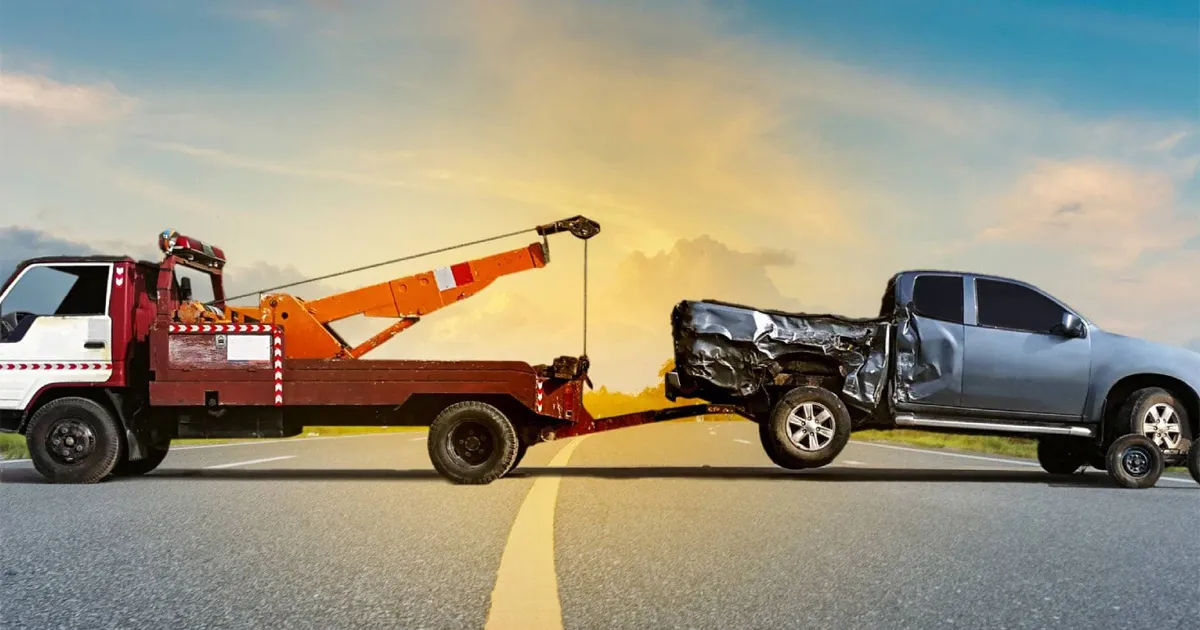
Whether your vehicle has been sitting unused for months, has become too expensive to repair, or has failed to meet safety standards, choosing to scrap my car can be a smart and responsible decision.Scrapping an unwanted car not only helps you free up valuable space but also allows valuable materials to be recycled and reused.
Instead of letting an old vehicle continue to lose value, you can turn it into cash while supporting environmentally friendly recycling practices. This guide explains why scrapping an unwanted car is often the best option and what benefits you can expect from the process.
What Does It Mean to Scrap a Car?
Scrapping a car means sending it to an authorized vehicle recycling facility where it is dismantled safely. Usable parts are removed, tested, and resold, while materials such as steel, aluminum, copper, glass, and plastics are recycled.
Vehicles that are severely damaged, no longer roadworthy, or too costly to repair are usually good candidates for scrapping. Instead of allowing these cars to deteriorate further, recycling them helps recover valuable resources and reduces waste.
Signs It's Time to Scrap Your Car
Knowing when to let go of a vehicle can save you money and frustration. Here are some common signs that indicate it's time to scrap your unwanted car.
Repair Costs Keep Increasing
Older vehicles often require frequent repairs. When repair bills become higher than the market value of the vehicle, investing more money rarely makes financial sense. Scrapping the car allows you to recover some value instead of continuing to pay for expensive maintenance.
The Vehicle Is No Longer Safe
Safety should always come first. Rusted frames, failing brakes, damaged suspension systems, or structural issues can make a vehicle dangerous to drive. If restoring the vehicle would cost too much, scrapping becomes the safer option.
The Car Has Been in a Major Accident
Some accident damage is simply too severe to repair economically. Even if repairs are possible, hidden structural damage may reduce the vehicle's safety and reliability. Recycling the vehicle can be a better long-term decision.
It Has Been Sitting Unused
Many people have vehicles parked in garages or driveways for months or even years. An unused vehicle continues to deteriorate while occupying valuable space. Scrapping it eliminates unnecessary clutter and puts recyclable materials back into circulation.
Financial Benefits of Scrapping an Unwanted Car
One of the biggest reasons people choose to scrap an old vehicle is the financial advantage.
Receive Instant Cash
Even if your vehicle no longer runs, it still contains valuable recyclable materials and reusable components. Recycling facilities often pay based on the vehicle's weight, condition, and salvageable parts.
Avoid Expensive Repairs
Constant mechanical failures can quickly become a financial burden. Rather than spending thousands on repairs, many owners choose to invest that money toward purchasing a newer, more reliable vehicle.
Eliminate Ongoing Expenses
Keeping an unwanted car often means continuing to pay for registration, insurance, parking, maintenance, or storage. Scrapping the vehicle removes these recurring costs.
Environmental Benefits of Car Scrapping
Vehicle recycling plays an important role in environmental protection.
Conserves Natural Resources
Steel, aluminum, copper, and many other materials can be recovered and reused. Recycling these materials reduces the need for mining new raw materials, helping preserve natural resources.
Reduces Landfill Waste
Cars contain many recyclable components. Instead of ending up in landfills, these materials can be processed and used to manufacture new products.
Prevents Pollution
Old vehicles may leak oil, coolant, transmission fluid, fuel, and other hazardous substances. Proper recycling facilities safely remove these fluids, preventing soil and water contamination.
Saves Energy
Manufacturing products from recycled metals generally requires significantly less energy than producing them from newly mined materials. This contributes to lower greenhouse gas emissions.
Valuable Parts That Can Be Reused
Not every component of an unwanted vehicle becomes scrap metal. Many parts remain valuable.
Engine Components
If the engine or some of its components remain functional, they may be refurbished and sold for reuse.
Transmission
Working transmissions are often rebuilt and installed in other vehicles.
Wheels and Tires
Tires with sufficient tread and undamaged wheels can often be reused or resold.
Batteries
Vehicle batteries contain recyclable materials that can be processed into new batteries.
Alternators and Starters
These electrical components frequently have resale value if they remain in working condition.
Mirrors, Lights, and Doors
Exterior components are commonly removed and sold as replacement parts for similar vehicle models.
How the Car Scrapping Process Works
Understanding the recycling process makes it easier to know what to expect.
Vehicle Assessment
The recycling company evaluates the vehicle based on its condition, age, make, model, and recyclable materials.
Collection
Many recycling businesses provide vehicle collection, making it convenient even if the car cannot be driven.
Removal of Hazardous Fluids
Oil, coolant, brake fluid, fuel, and refrigerants are safely removed before dismantling begins.
Dismantling
Usable components are carefully removed for resale or refurbishment.
Metal Recycling
The remaining vehicle shell is crushed and processed so metals can be recycled into new products.
Advantages of Choosing Vehicle Recycling
There are several reasons why recycling is often the smartest solution.
More Space
Removing an unwanted vehicle frees valuable garage or driveway space.
Cleaner Property
Old vehicles often become eyesores and attract dust, pests, and weeds.
Supports the Circular Economy
Recycling allows materials to remain in use rather than becoming waste.
Reduces Manufacturing Demand
Recovered materials reduce dependence on newly mined metals, lowering environmental impact.
Preparing Your Vehicle Before Scrapping
A little preparation helps make the process smoother.
Remove Personal Belongings
Check the glove compartment, trunk, center console, under seats, and storage pockets for personal items.
Remove Valuable Accessories
If legally allowed and you wish to keep them, remove custom audio systems, GPS devices, or other personal accessories.
Gather Important Documents
Having ownership documentation ready helps complete the transaction efficiently.
Cancel Insurance
After the vehicle has been transferred, remember to cancel any unnecessary insurance coverage.
Common Myths About Scrapping Cars
Myth: Only Running Cars Have Value
Even vehicles that no longer start often contain valuable recyclable metals and reusable parts.
Myth: Old Cars Are Worth Nothing
Age alone does not determine value. Many older vehicles contain components that remain in demand.
Myth: Recycling Harms the Environment
Professional recycling actually benefits the environment by safely handling hazardous materials and recovering reusable resources.
When Scrapping Is Better Than Selling
Selling privately is not always the best option.
If your vehicle has major mechanical problems, extensive body damage, severe rust, or very high mileage, finding a private buyer can be difficult. Even if someone is interested, negotiations and repairs can become time-consuming.
Scrapping offers a faster alternative that avoids the uncertainty of private sales.
Tips for Getting the Best Value
Several factors can help maximize the value of your unwanted vehicle.
-
Compare offers from multiple recycling businesses.
-
Provide accurate information about the vehicle.
-
Remove personal belongings before collection.
-
Keep ownership documents ready.
-
Choose a reputable vehicle recycler.
Frequently Asked Questions
Can I Scrap a Car That Doesn't Start?
Yes. Many recycling companies accept non-running vehicles because recyclable materials and reusable parts still have value.
Are Damaged Vehicles Accepted?
Yes. Accident-damaged, flood-damaged, and mechanically failed vehicles are commonly accepted for recycling.
How Long Does the Process Take?
Many companies can complete the assessment, collection, and payment process within a short period, depending on scheduling and local regulations.
Is Car Recycling Good for the Environment?
Absolutely. Recycling helps recover valuable materials, reduces landfill waste, conserves natural resources, and minimizes pollution from hazardous automotive fluids.
Conclusion
Choosing to scrap an unwanted car is often the most practical solution when repairs become too expensive, safety becomes a concern, or the vehicle is simply no longer useful. Instead of allowing an old vehicle to occupy valuable space and continue losing value, recycling transforms it into reusable materials that support new manufacturing while reducing environmental impact.
Scrapping also offers financial advantages by eliminating ongoing maintenance, insurance, and storage costs while providing payment for recyclable materials and usable components. Beyond the financial benefits, responsible vehicle recycling protects natural resources, reduces waste, prevents pollution, and contributes to a more sustainable future.
If your old vehicle has reached the end of its useful life, scrapping it can be a smart decision that benefits both you and the environment. By choosing a reputable recycling service and preparing your vehicle properly, you can enjoy a smooth process while ensuring your unwanted car is recycled responsibly.
About the Author
